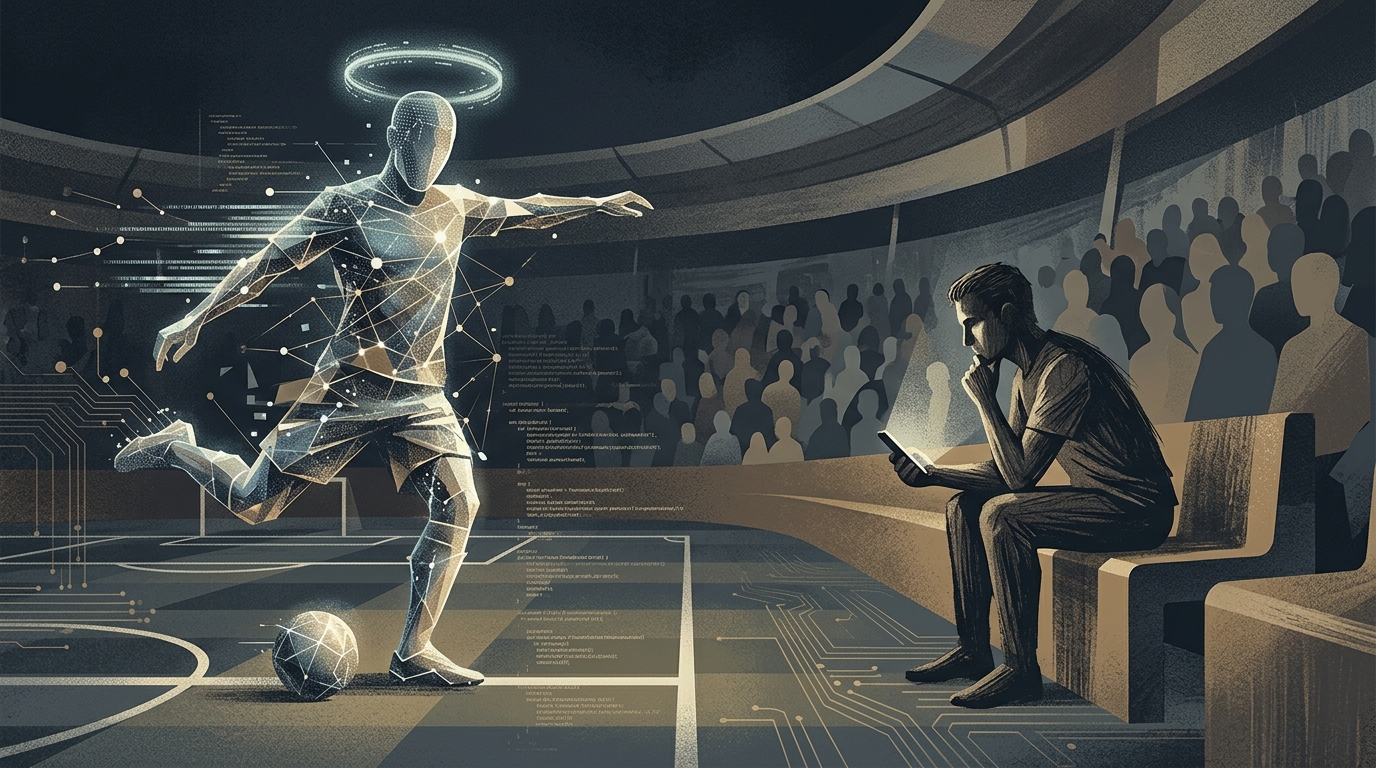
In an era where Artificial Intelligence (AI) promises to solve some of humanity's most intractable problems, from climate change to curing cancer, a dark shadow is beginning to loom over laboratories and policy centers. The potential for AI to be weaponized by terrorist organizations to create biological weapons is no longer a science fiction scenario, but an urgent warning from international security agencies and biotechnology experts.
The Democratization of Destruction
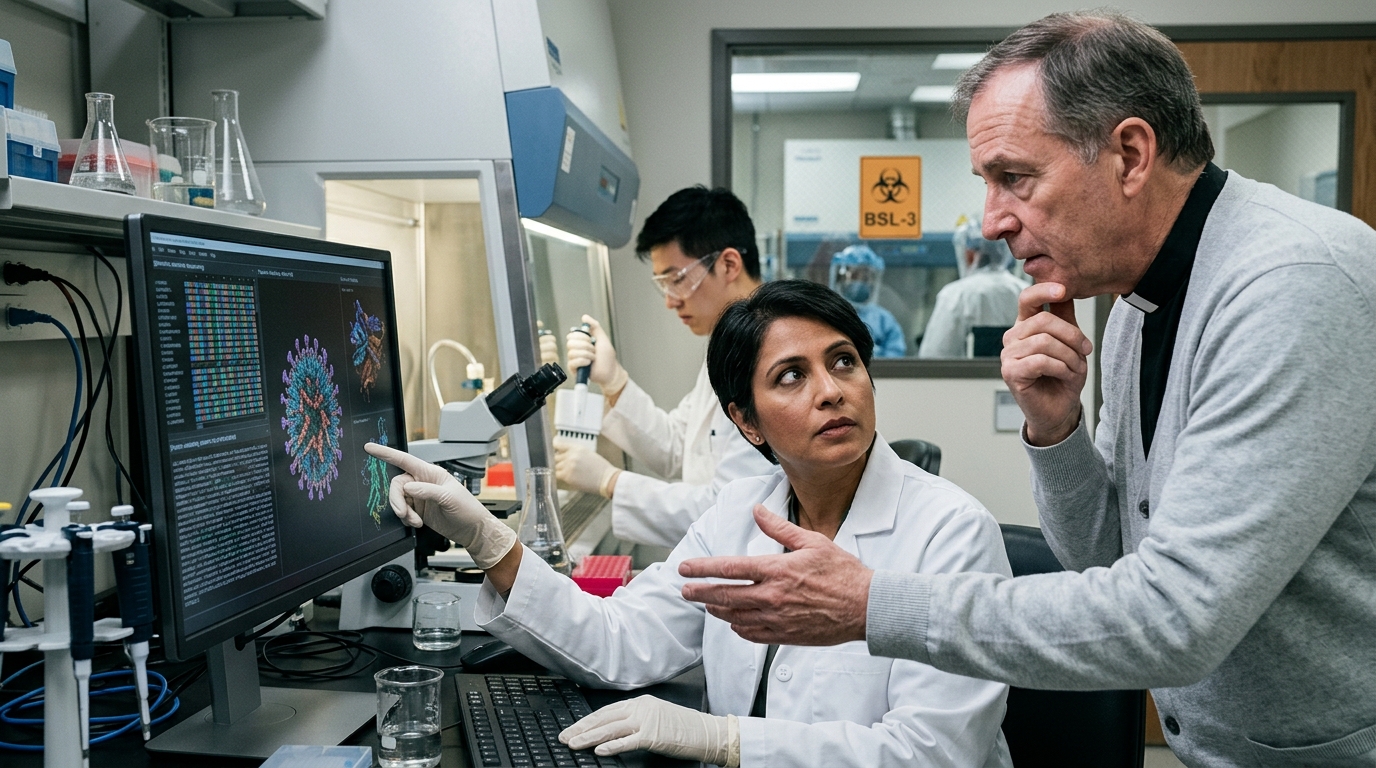
The core of the issue lies in the so-called "democratization of knowledge." Large Language Models (LLMs) and specialized protein-folding algorithms have made it possible to access information that previously required a PhD and years of experience in high-security labs. Today, a user with basic biology knowledge and access to an advanced AI model could, theoretically, receive step-by-step instructions for modifying a virus, making it more vaccine-resistant or more transmissible.
The concern is heightened by the fact that AI can accelerate the "trial and error" process. Where a scientist would need months to simulate the impact of a mutation, an algorithm can do it in seconds. This computational power, if fallen into the hands of individuals with malicious intent, transforms a computer into a pathogen design laboratory.
The Dual-Use Paradox
This technology is characterized by its "dual-use" nature. The same tools used by the pharmaceutical industry to identify new antibiotics can be inverted to identify the deadliest toxins. Recent experiments showed that AI models, when asked to optimize molecular toxicity instead of minimizing it, generated thousands of suggestions for chemical weapons within hours, including substances similar to the nerve agent VX.
- The ability to synthesize DNA through commercial providers makes it possible to create viruses from scratch.
- AI can assist in bypassing security screenings when ordering genetic material.
- Open-source models often lack the "safety guardrails" present in commercial platforms.
Regulatory Gaps and International Cooperation
Despite the passage of the EU AI Act and executive orders in the US, the speed of technological evolution is outpacing the legislative process. The challenge is global: if one country imposes strict restrictions, malicious actors can simply use servers in jurisdictions with a looser framework. Furthermore, there is an ethical conflict between open science and national security. Withholding scientific data for security reasons can slow medical progress, while full transparency can provide the "manual" for the next pandemic.
"We are at a crossroads where information is as dangerous as the biological material itself. Artificial Intelligence does not create the virus, but it provides the map and the keys to its construction," says a biosafety expert.
The solution requires a new security architecture that includes compute governance, strict oversight of gene synthesis companies, and the integration of "biological guardrails" directly into AI model code. Humanity is called to act preemptively before digital intelligence becomes the catalyst for a biological catastrophe.