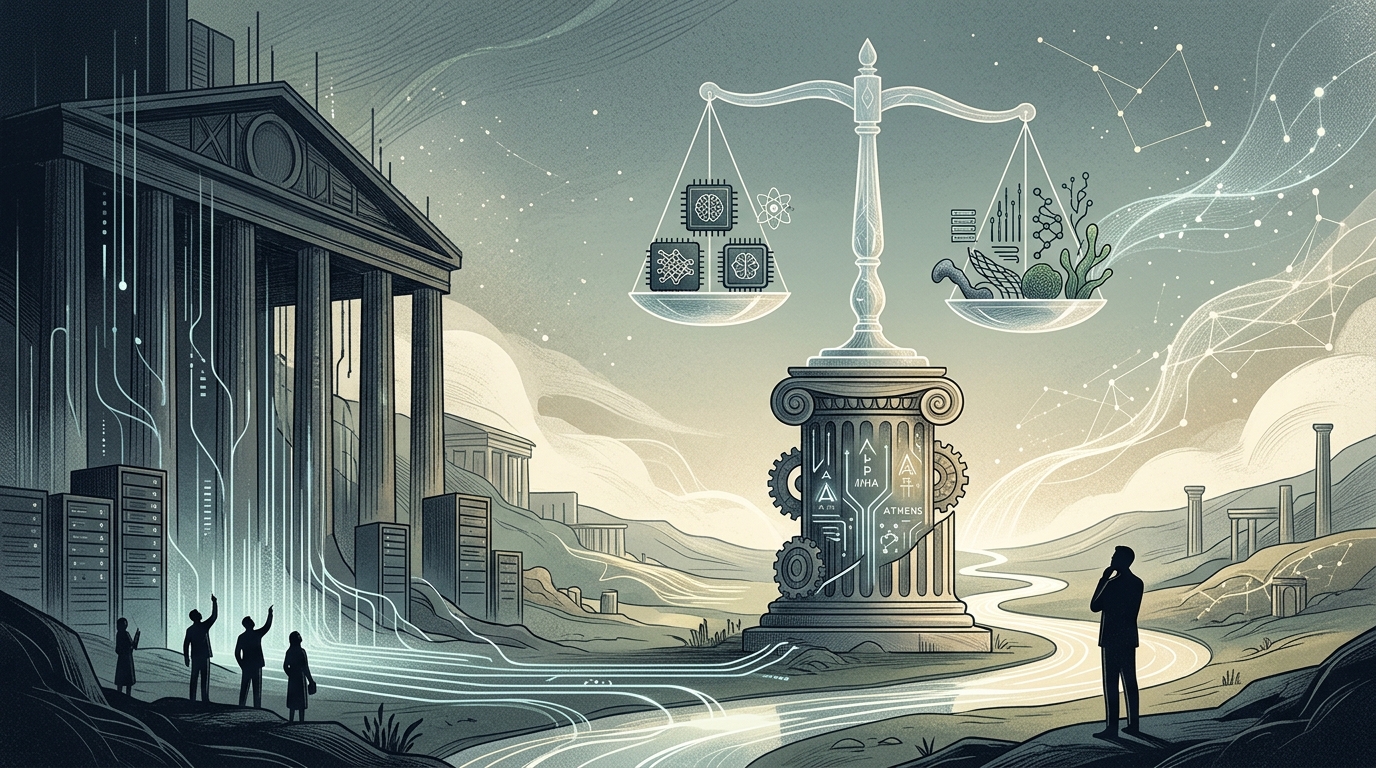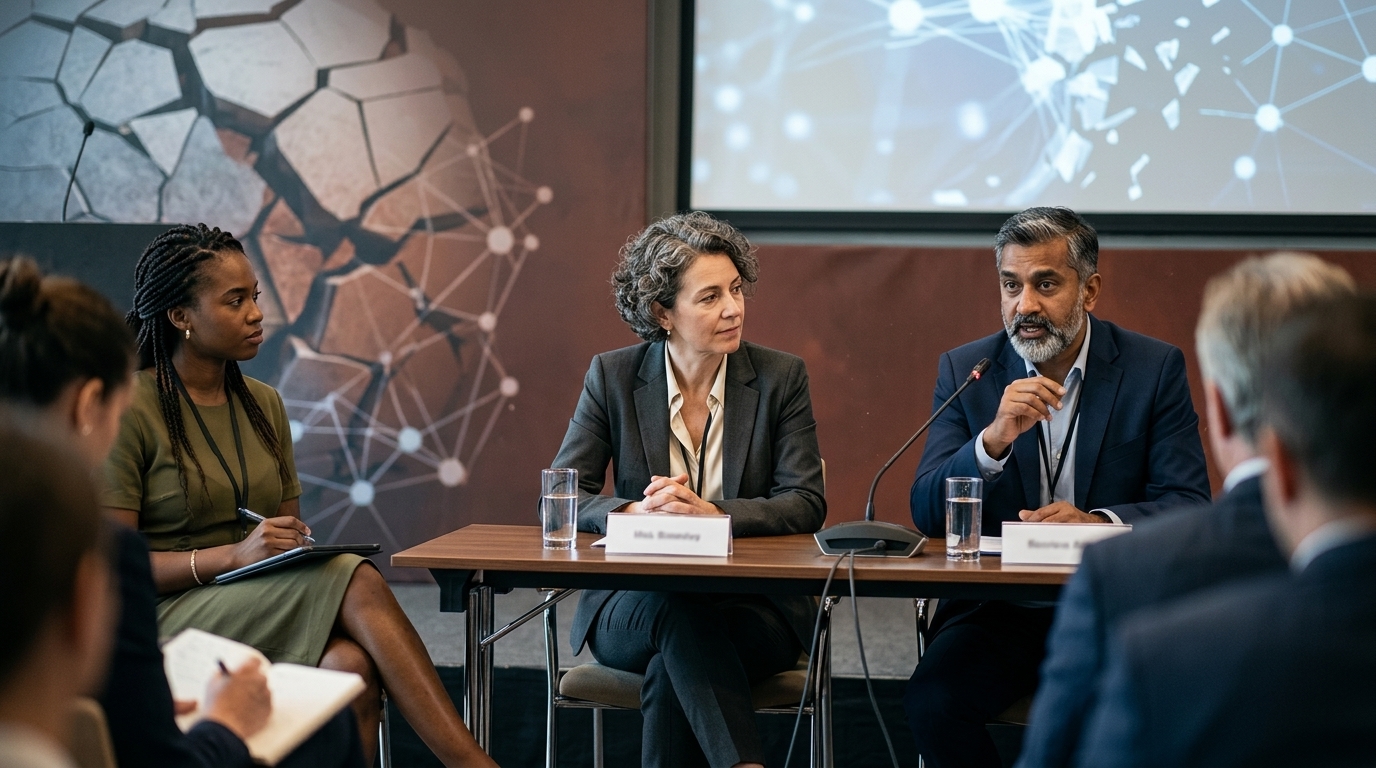
Our era is defined by a profound paradox. On one hand, the technological explosion of Artificial Intelligence promises solutions to centuries-old problems, from advanced medicine to precise climate modeling. On the other, geopolitical instability, a climate crisis that is no longer 'future' but present, and rising social inequalities create a sense of impending systemic failure. The 4th Effective Dialogue conference, recently held, sought to map the thin line that separates creative disruption from total destruction.
AI as a Catalyst and a Threat
Central to the discussions was, inevitably, Artificial Intelligence. By 2026, the conversation has shifted from 'what AI can do' to 'how humans will survive alongside it.' Speakers emphasized that AI is not merely a productivity tool but a force reshaping the structure of the labor market and the very concept of truth. The 'Disruption' here lies in the ability of businesses to integrate these technologies without tearing the social fabric. However, the risk of 'Destruction' looms if technological supremacy is concentrated in a few hands, leading to a new form of digital feudalism.
- The urgent need for ethical governance of algorithms.
- Reskilling the workforce as a top-tier national priority.
- Protecting democratic processes from sophisticated disinformation.
Geopolitics and the Fragile Global Balance
The conference highlighted geopolitics as the unpredictable factor that can turn a controlled disruption into a chaotic collapse. With regional conflicts directly impacting supply chains and energy prices, the concept of Europe's 'strategic autonomy' took center stage. Analysts noted that globalization as we knew it has ended, replaced by a model of 'friend-shoring' among nations sharing common values. Greece, in this environment, is called to act as a stabilizing pillar in the Eastern Mediterranean, leveraging its geographical position and energy infrastructure.
"Leadership today is judged not by how well it manages growth, but by how resiliently it manages crisis," it was noted during the sessions.
Climate Crisis: The Hour of Zero Tolerance
If there is one area where the word 'Destruction' sounds more threatening than ever, it is the climate. The 4th Effective Dialogue did not limit itself to platitudes about the green transition. The discussion focused on the economic dimension of climate adaptation. Companies that fail to integrate ESG (Environmental, Social, Governance) criteria into the core of their strategy are not just risking fines but complete exclusion from capital markets. 'Disruption' in this context means transitioning to a circular economy where growth is decoupled from the depletion of natural resources.
Conclusion: The Choice is Ours
The final message of the conference was one of alertness. The difference between disruption and destruction is not a matter of luck, but a matter of choices, strategy, and, above all, dialogue. As emphasized, 'Disruption' requires the courage to break old patterns, while 'Destruction' is the result of inertia and clinging to a past that no longer exists. Effective dialogue is the only tool we have to ensure that the tectonic shifts of our era lead to a new renaissance rather than a digital or environmental dark age.