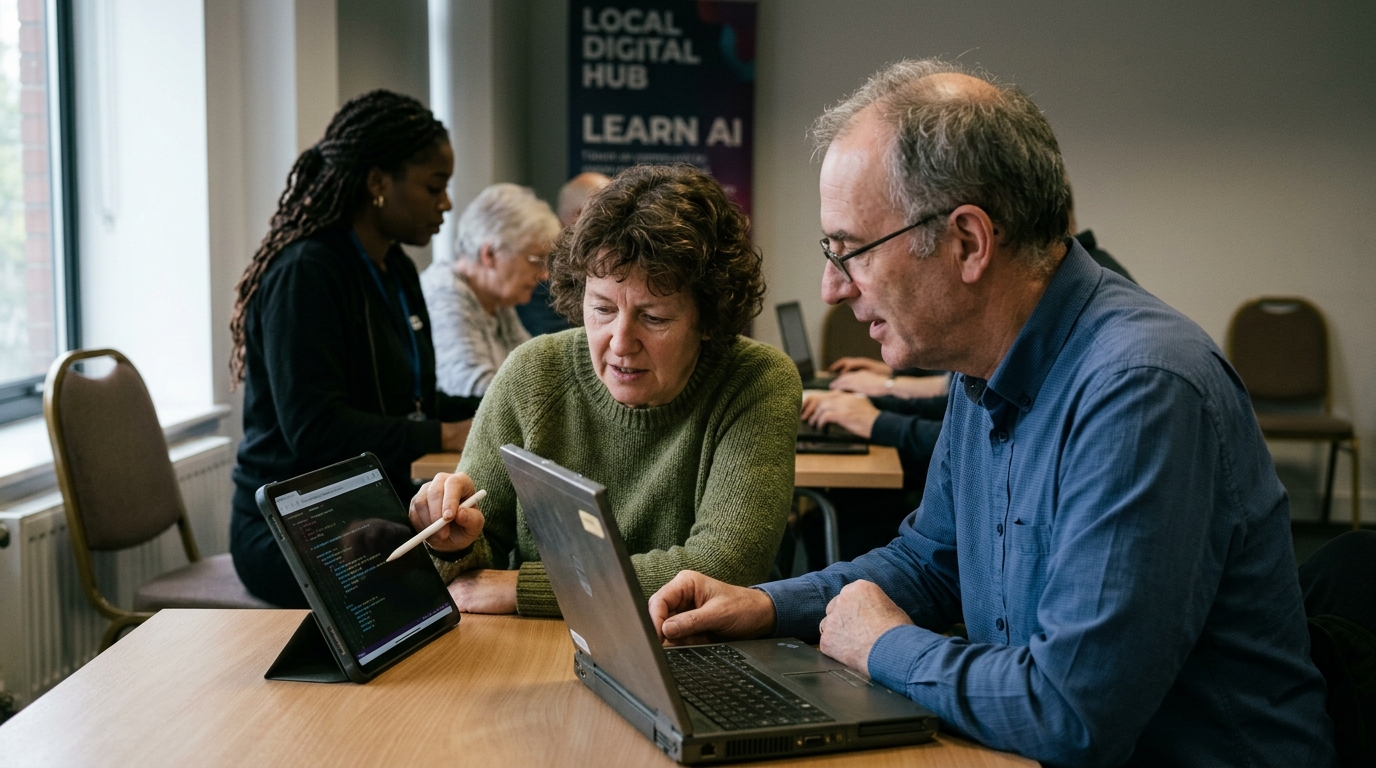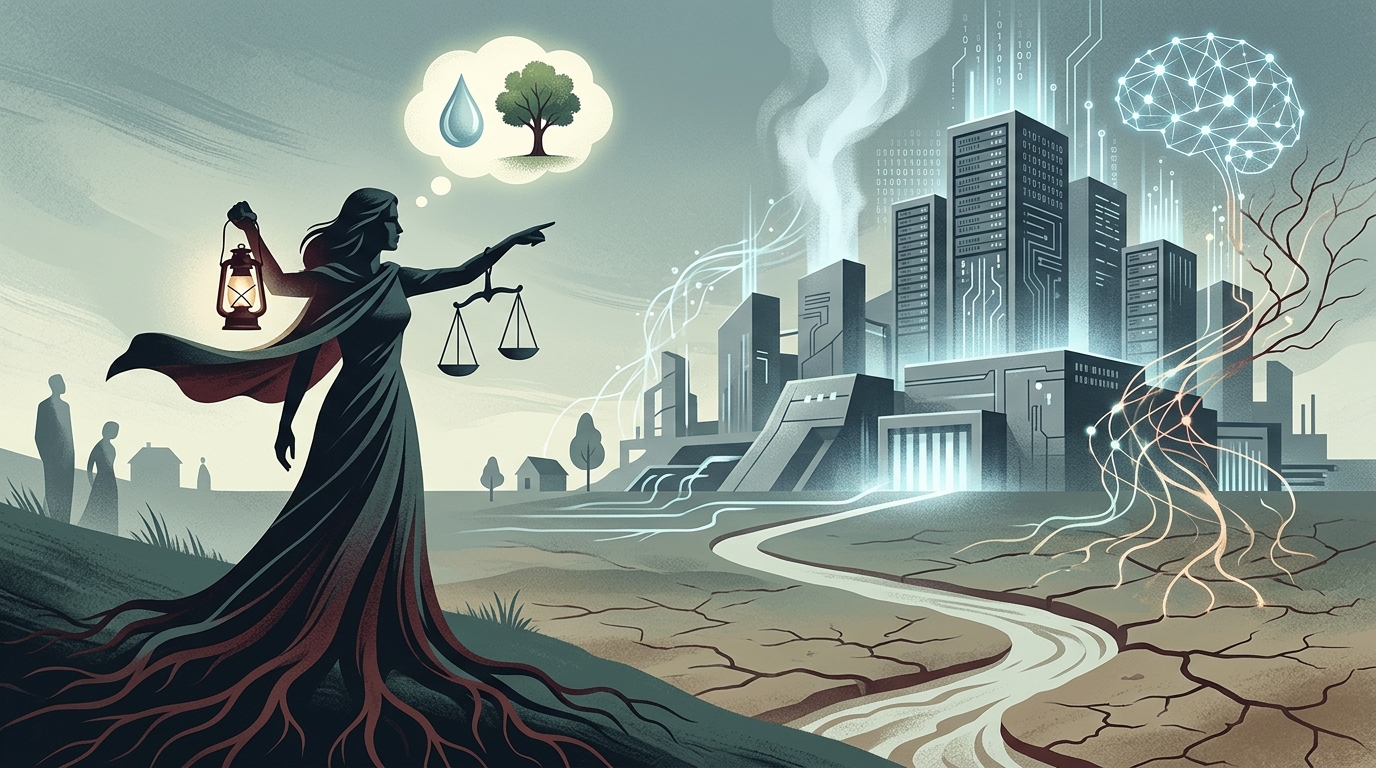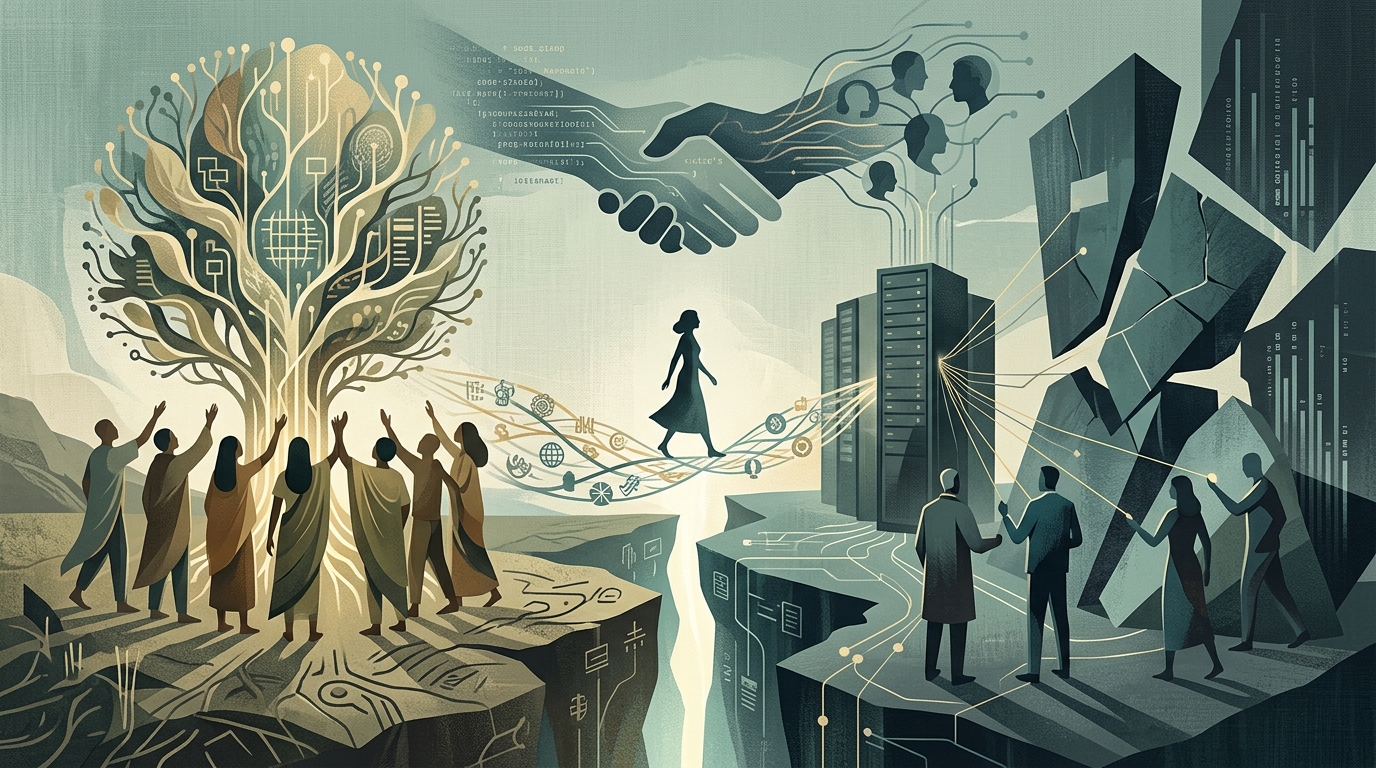
In the heart of the digital revolution unfolding in 2026, Artificial Intelligence (AI) is often portrayed as a global equalizer. However, for Kate Kallot, one of the most influential voices in tech and the founder of Amini, the reality is far more complex and potentially dangerous. Kallot, having held leadership roles at giants like NVIDIA and Intel, has now turned her focus to a critical question: Who owns the data that fuels the future, and what happens when entire continents are left out of the algorithmic frame?
The Data Desert and the African Reality
Kallot’s central argument focuses on the fact that the current AI boom is built almost exclusively on data from the Global North. Large language models and predictive algorithms are trained on Western standards, Western languages, and Western economic conditions. This creates a "data desert" for Africa and other developing regions. Without local data, AI is not just inaccurate; it is useless, or worse, harmful.
Amini, Kallot's company, is working to solve this problem by using satellite data and sensor technology to collect environmental and agricultural information across Africa. The lack of historical data on the continent prevents farmers from accessing insurance, loans, and effective farming methods. Kallot argues that building a "data infrastructure" is the first step toward economic sovereignty.
The Risk of Digital Colonialism
One of the more provocative terms Kallot uses is "digital colonialism." This refers to the tendency of Big Tech companies in the West to extract raw data from the Global South, process it in the US or Europe, and then "sell back" the solutions in the form of subscription services. This model creates a new form of dependency, where developing nations do not have control over the tools that determine their development.
- The lack of local data centers makes Africa vulnerable to geopolitical turbulence.
- Algorithms that do not understand local dialects exclude millions of people from the digital economy.
- The ethical use of AI requires the participation of local communities in the design of the systems.
Kallot emphasizes that the solution is not simple technology transfer, but building native capacity. "We don't need charity; we need infrastructure," she often says in her speeches, highlighting that AI must be a tool for self-determination rather than imposition.
Climate Change and Survival
In the context of the climate crisis of 2026, the importance of data becomes a matter of survival. Africa is disproportionately affected by climate change, despite its small contribution to emissions. AI can predict droughts or floods, but only if it is fed with accurate, local data. Kallot believes that by bridging the digital divide, we can give people the means to adapt to a rapidly changing world.
"Technology without context is just another way to perpetuate the inequalities of the past. We must ensure that AI speaks all the languages of humanity, not just those that are profitable for Silicon Valley."
In conclusion, Kate Kallot's work is not just about technology; it is about power. As AI becomes integrated into every aspect of our lives, the need for an inclusive and equitable digital architecture becomes imperative. The stakes are whether we will allow AI to become the wall that divides the world or the bridge that unites it.