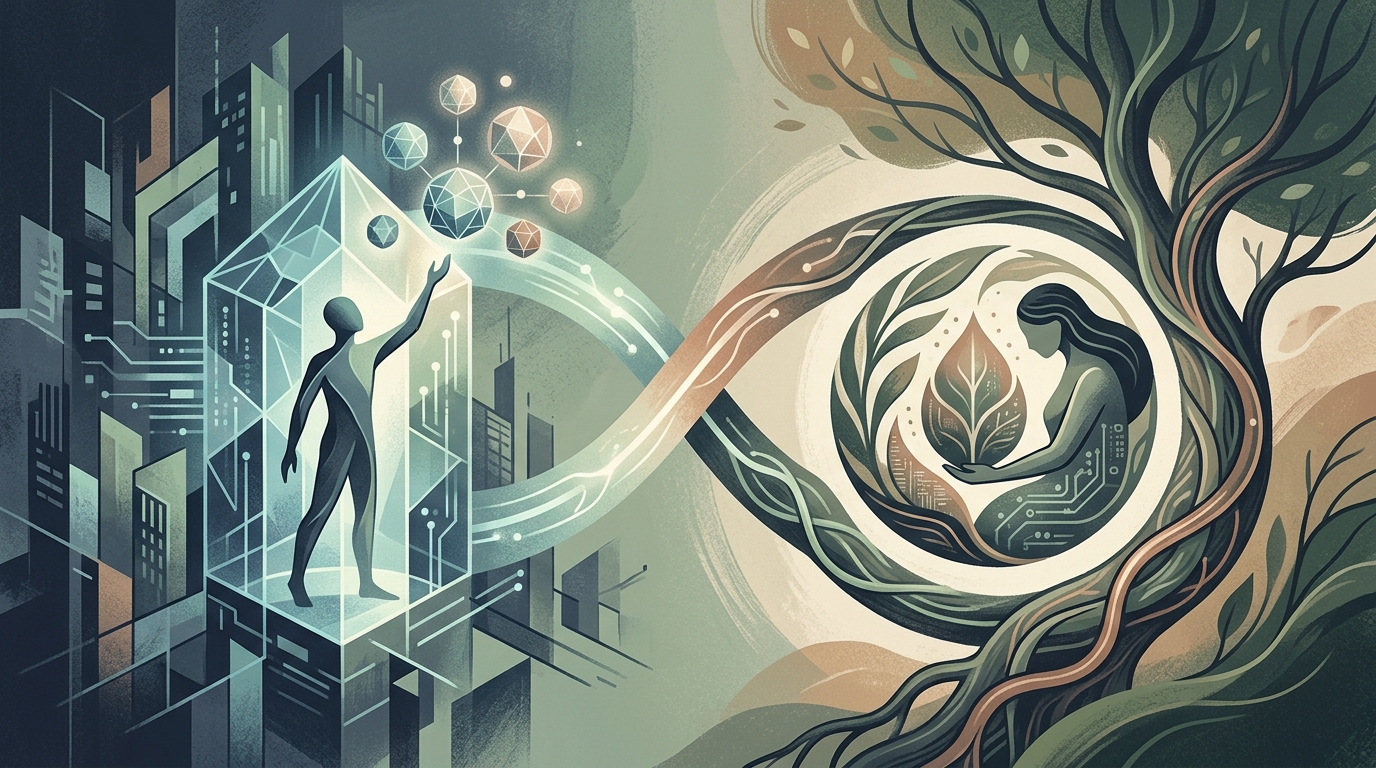
In an era where digital imagery often eclipses physical experience, the concept of 'inverted reality' is emerging as humanity's next great challenge. A recent analysis published by Vietnam.vn rings the alarm on how virtuality is no longer just a tool for entertainment or productivity, but a mechanism capable of reshaping—or even eroding—our very perception of what is real. As we navigate 2026, artificial intelligence does not merely produce content; it constructs entire information ecosystems that operate autonomously, often in total isolation from objective reality.
The Architecture of 'Inverted Reality'
The term 'inverted reality' describes the phenomenon where digital constructs—ranging from deepfakes to AI-generated narratives—carry more weight in the public sphere than actual events. This is not simply 'fake news' in the traditional sense; it is a systemic shift. According to tech ethics experts, the ease with which Generative AI can create convincing videos, audio logs, and articles allows malicious actors to flood the internet with alternative versions of reality.
The problem is exacerbated by social media algorithms designed to promote content that triggers the strongest emotional response. In an inverted reality, emotion trumps logic, and the virtual construct, being more 'polished' and tailored to a user's biases, eventually becomes their personal truth. As noted in the report, humanity risks becoming trapped in a 'digital mirror' that reflects not the world, but our desires and fears.
The Erosion of Social Trust
The most alarming consequence of this trend is the collapse of trust in institutions. When everything can be faked, then nothing is believable. This 'liar's dividend' means that even real events or genuine evidence can be dismissed as 'AI-generated' by those who wish to ignore them. Social cohesion relies on a shared acceptance of certain basic truths; without them, meaningful dialogue becomes impossible.
- Deepfakes and Politics: Using AI to create fake statements from political leaders can trigger diplomatic incidents or civil unrest within seconds.
- Economic Manipulation: False news regarding corporations or economic data, amplified by AI bots, can cause market volatility before regulatory bodies can even react.
- Psychological Impact: Continuous exposure to a distorted reality increases anxiety and a sense of alienation among citizens from their social environment.
The Vietnam.vn analysis emphasizes that developing economies are particularly vulnerable, as they often lack the digital literacy infrastructure to combat these threats. However, the problem is global. Technology evolves at a geometric pace, while legislation and human critical thinking follow at an arithmetic rate, creating a security vacuum exploited by those seeking to manipulate public opinion.
Toward a New Digital Ethics and Resilience
Addressing inverted reality requires more than just technological filters. It demands a radical reset of how we consume information. Educating citizens to recognize manipulation tools is the first step. Furthermore, the development of 'digital watermarking' technologies and the use of blockchain to verify content provenance are among the technical solutions being proposed.
"Truth is no longer a given; it is an achievement that requires constant effort from the citizen," the report strikingly notes.
In conclusion, the warning about the danger of truth manipulation in the digital age is not a doomsday theory but an urgent call to action. If we allow virtuality to replace reality, we risk losing not just objective truth, but our very ability to coexist as a society. The challenge for 2026 and beyond is to ensure that artificial intelligence remains a mirror that helps us see the world more clearly, rather than a wall that separates us from it.