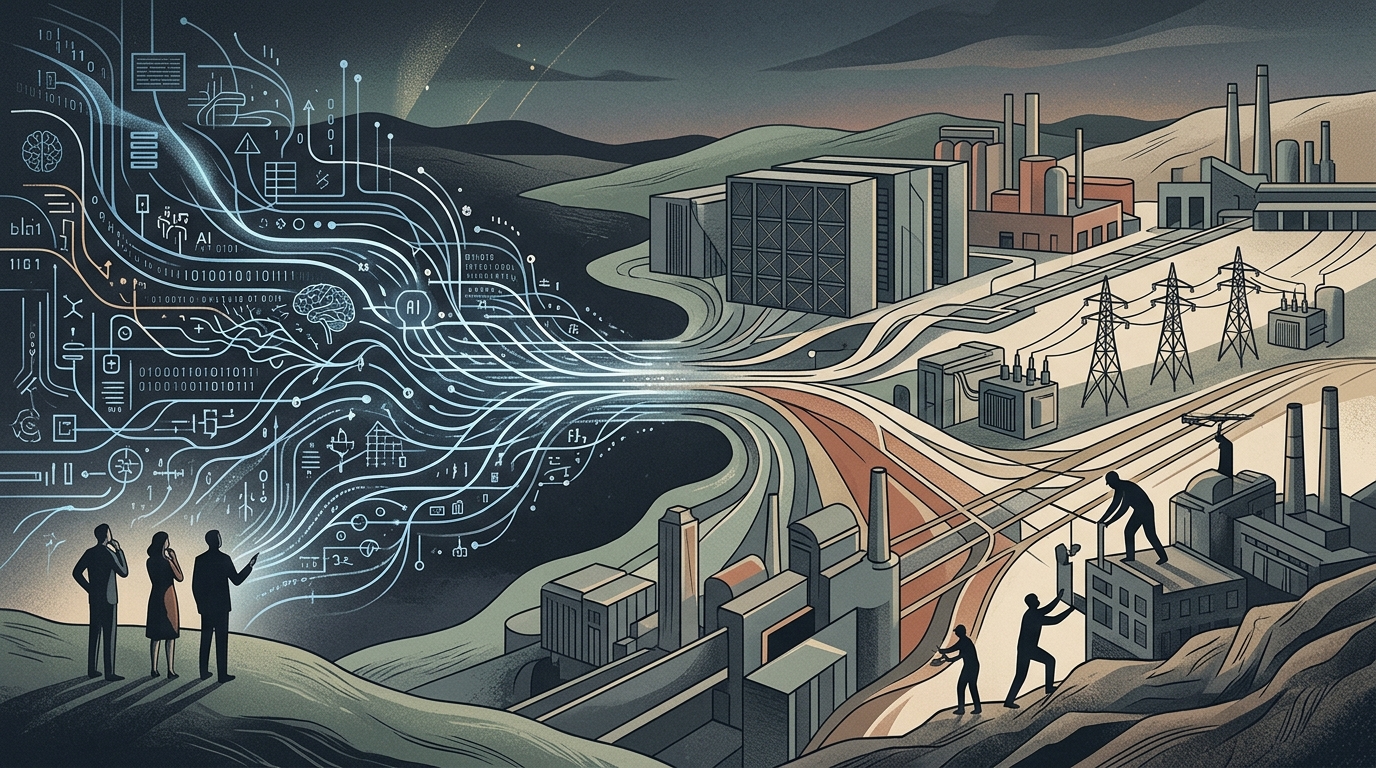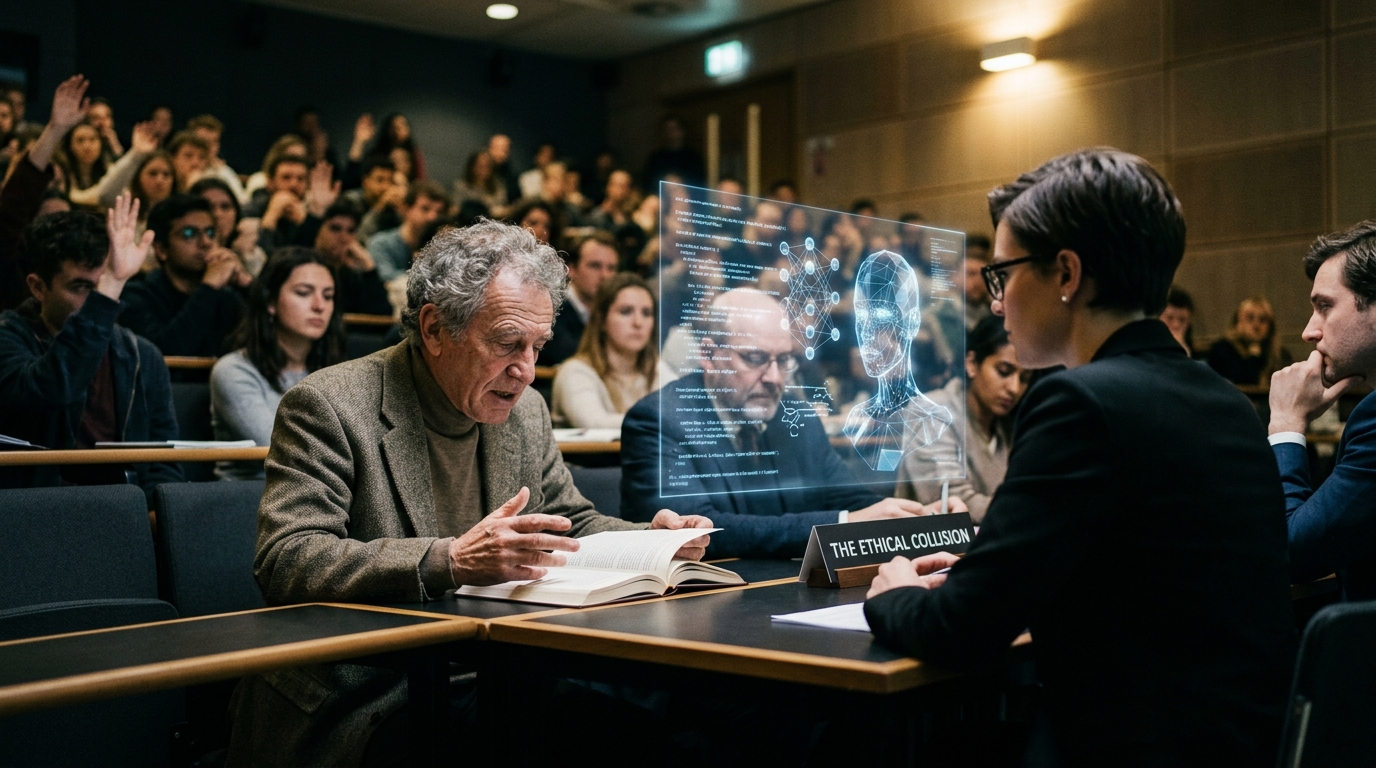
At the dawn of 2026, humanity finds itself at a crossroads reminiscent of the great upheavals of the Renaissance and the Enlightenment. However, this time, the "adversary" is not superstition or absolutism, but the very product of human ingenuity: Artificial Intelligence (AI). The recent surge of large language models and autonomous decision-making systems poses an urgent question: can humanism, the philosophy that places man as the measure of all things, survive in a world governed by data?
The Erosion of Human Agency
The core of humanism is the belief that individuals possess free will and the capacity to shape their destiny through reason. Today, this autonomy is under siege by algorithmic systems that predict, recommend, and ultimately direct our choices. From what we buy to whom we vote for, Silicon Valley's "prediction machines" have turned human behavior into a commodity to be processed.
The problem is not just the loss of privacy, but the gradual atrophy of our critical thinking. When we outsource moral judgment to an algorithm—whether in hiring processes or determining sentences in the judicial system—we relinquish the responsibility that makes us human. The "black box" of AI, where the decision-making process remains opaque even to its creators, stands in direct opposition to the humanist demand for transparency and accountability.
Art and the Ghost in the Machine
For centuries, art was considered the last bastion of human uniqueness. Creativity was the expression of pain, joy, and existential searching. The advent of Generative AI has shaken this conviction. When a machine can compose a symphony or write an essay that evokes emotion, what remains of the "creator"?
Proponents of techno-humanism argue that AI is merely a new tool, like the paintbrush or the printing press. However, the difference lies in intent. A machine does not "feel" the melancholy of a painting; it simply recognizes statistical patterns in millions of pre-existing works. The humanist challenge here is to redefine the value of art not based on the output, but on the human connection and the context in which it was created. The "alienation" of the creator from their work is a danger that could lead to a cultural homogenization, where innovation is sacrificed on the altar of statistical probability.
Toward a Digital Humanism
The solution lies not in technophobia, but in building a "Digital Humanism." This means that technology must be designed with human values at its center, rather than profit or efficiency. The European Union, with the AI Act, took the first step, but legislation alone is not enough. A radical overhaul of education is required, emphasizing skills that machines cannot replicate: empathy, ethical judgment, and complex problem-solving in uncertain environments.
"Man is the measure of all things," Protagoras said. In the age of AI, we must ensure that man remains the judge, and not the processed object, of all things.
In conclusion, the conflict between humanism and Artificial Intelligence is not a battle for dominance, but an opportunity for self-awareness. AI forces us to look in the mirror and ask what truly makes us unique. If we manage to embed ethics into the code, perhaps AI will not be the end of humanism, but the beginning of a new, more conscious era for our species.