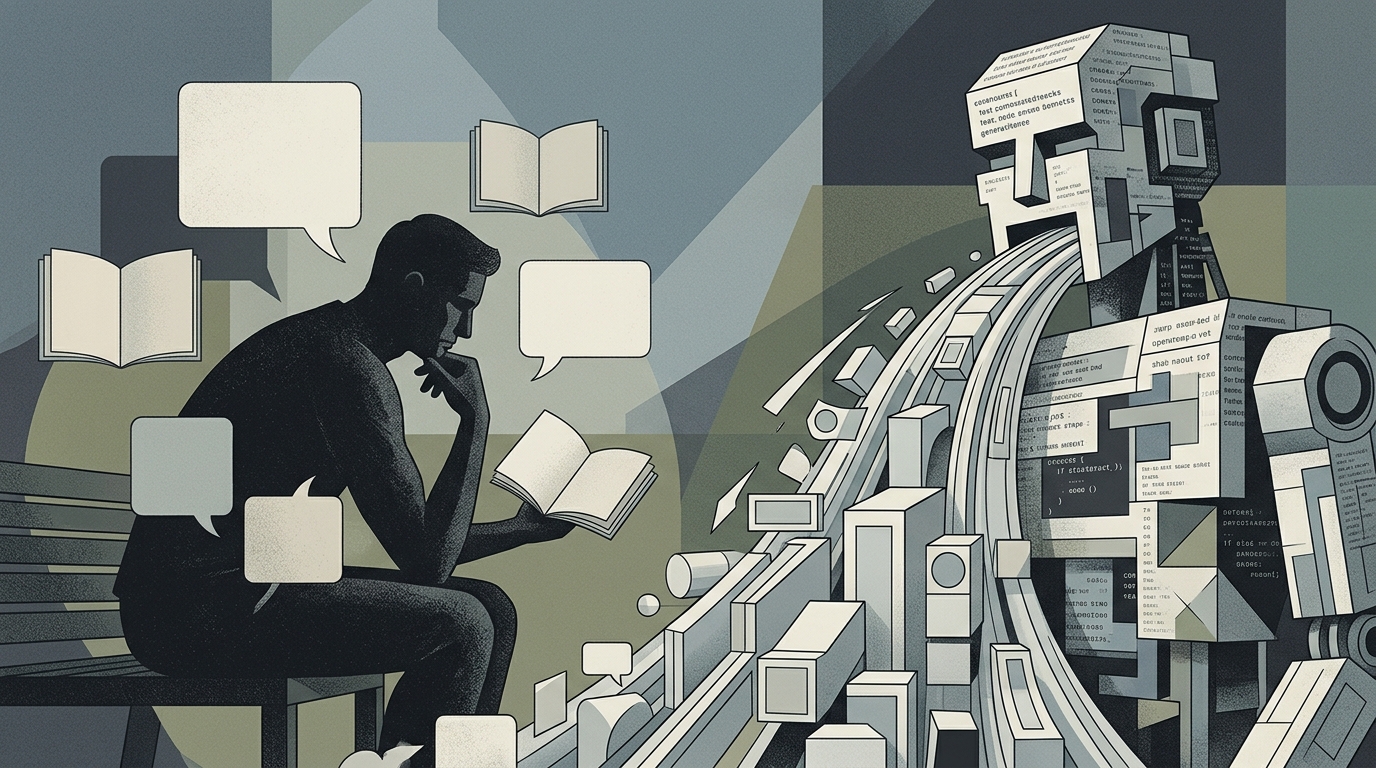
The digital age has transformed information from a scarce resource into an unstoppable deluge, often sweeping truth away in its wake. Particularly in the sensitive field of healthcare, the rise of Generative AI has created a paradoxical reality: while access to knowledge is easier than ever, the reliability of that knowledge is at an all-time low. Within this landscape, a new category of professionals is emerging—doctor-journalists—who are momentarily setting aside their stethoscopes to pick up the pen, acting as the final guardians of medical integrity.
The Digital Trust Crisis and the Rise of AI
The emergence of Large Language Models (LLMs), such as ChatGPT and Gemini, has radically changed how patients seek answers for their symptoms. Instead of the traditional Google search, which pointed to various websites, users now receive comprehensive, persuasive answers in seconds. However, artificial intelligence suffers from the phenomenon of "hallucinations," where the model fabricates medical data, studies, or drug dosages that do not exist in reality.
This trend has created an "infodemic" of misinformation, which can be fatal. When an algorithm suggests a treatment without knowing the patient's history or contraindications, responsibility is diffused into a void. This is precisely where doctors involved in journalism intervene. It is not just about transmitting news; it is a process of "purging" the digital environment of dangerous inaccuracies.
The Doctor as a Certified Intermediary
Traditional health journalism often relied on reporters trying to interpret medical studies. Today, the need for direct scientific oversight is so pressing that scientists themselves are becoming content producers. In Vietnam, as reported by our source, and globally, medical associations and hospitals are encouraging healthcare professionals to write articles, create videos, and participate actively in social media.
The role of these "doctor-journalists" is twofold. First, they must debunk myths spread by AI. Second, they must translate complex medical terminology into a language understandable to the public without sacrificing scientific accuracy. The challenge is immense: how can a human, with limited time, compete with an algorithm that produces content 24/7? The answer lies in quality and ethical commitment—elements that AI notoriously lacks.
Ethical Dilemmas and the Responsibility of Authority
The transformation of doctors into public figures and journalists is not without risks. There is a fine line between informing the public and self-promotion or, worse, promoting pharmaceutical interests. Journalistic ethics must now meet the Hippocratic Oath. A doctor writing an article about a new treatment must be completely transparent about any conflicts of interest.
Furthermore, there is the issue of the "digital divide." While doctor-journalists in developed countries have the means to fight misinformation, in regions like Southeast Asia, the influence of unregulated algorithms is often unchecked. The need for international cooperation and the creation of "trust networks," where medical information is filtered by humans before reaching our screens, is more urgent than ever.
Conclusion: The Symbiosis of Human and Machine
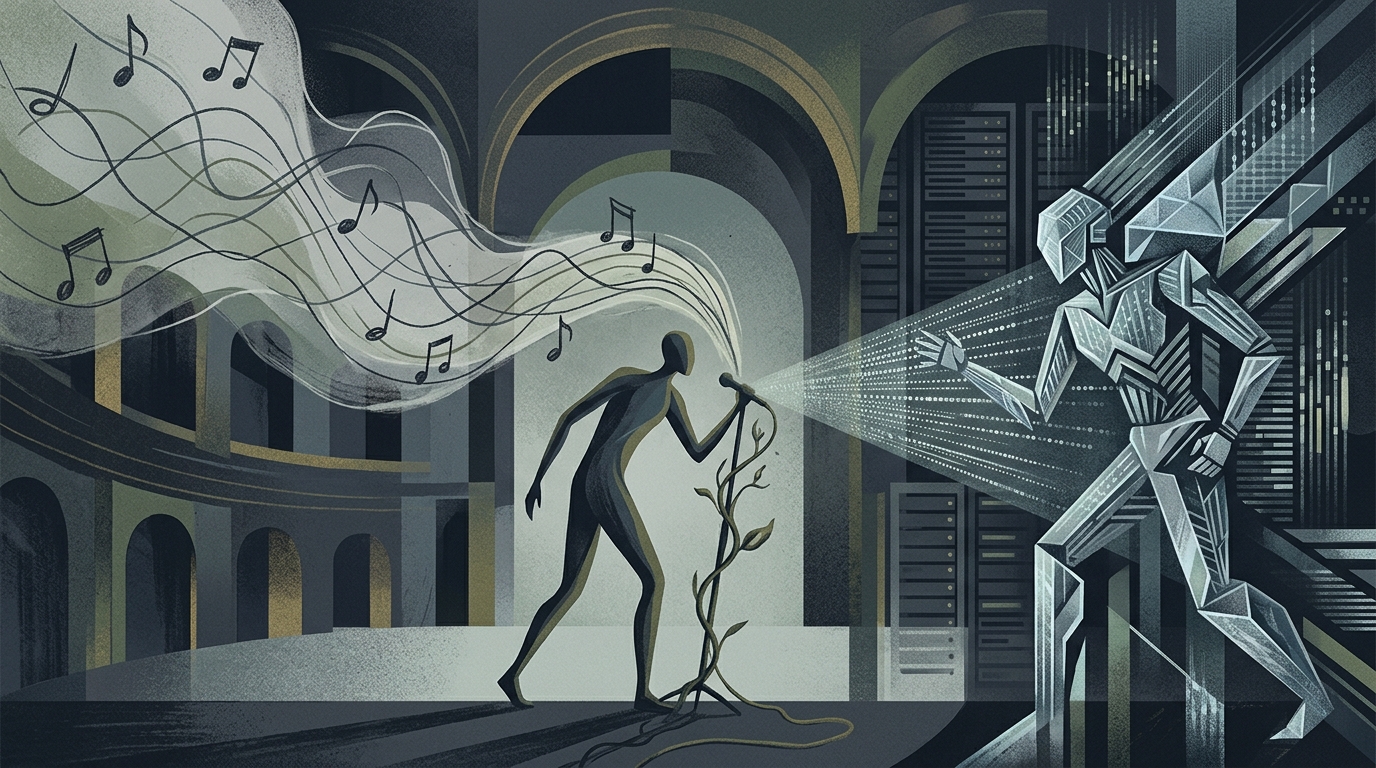
Artificial intelligence is not going away. On the contrary, it will become even more persuasive. The solution is not to ban its use, but to strengthen the role of experts as curators of information. Doctor-journalists are the "bridges" between the cold data processing of the machine and the human need for valid, empathetic, and safe guidance. At the end of the day, health is not just data—it is life itself, and life requires a human guardian.
- AI can speed up drafting, but the doctor must have final control.
- Training patients in "digital health literacy" is key to the future.
- Transparency in the funding sources of medical articles is non-negotiable.