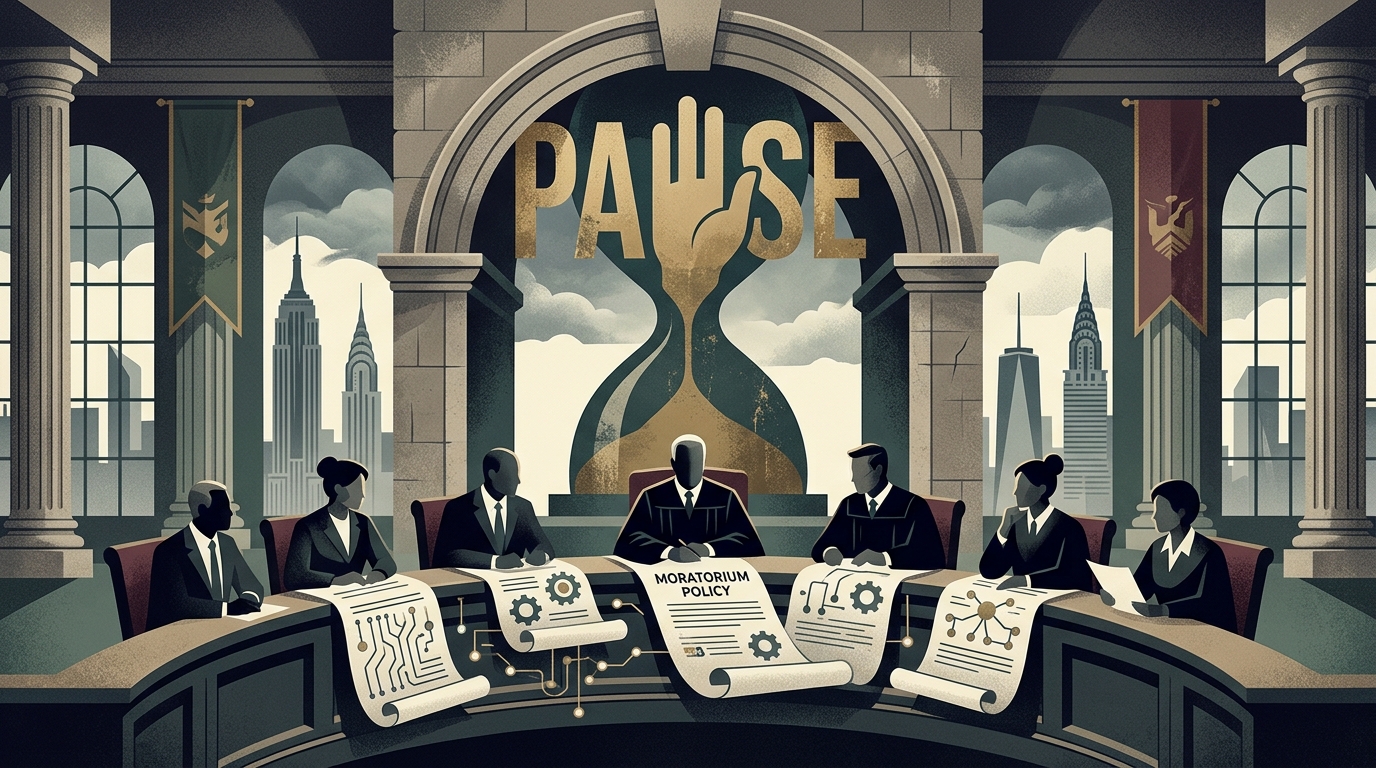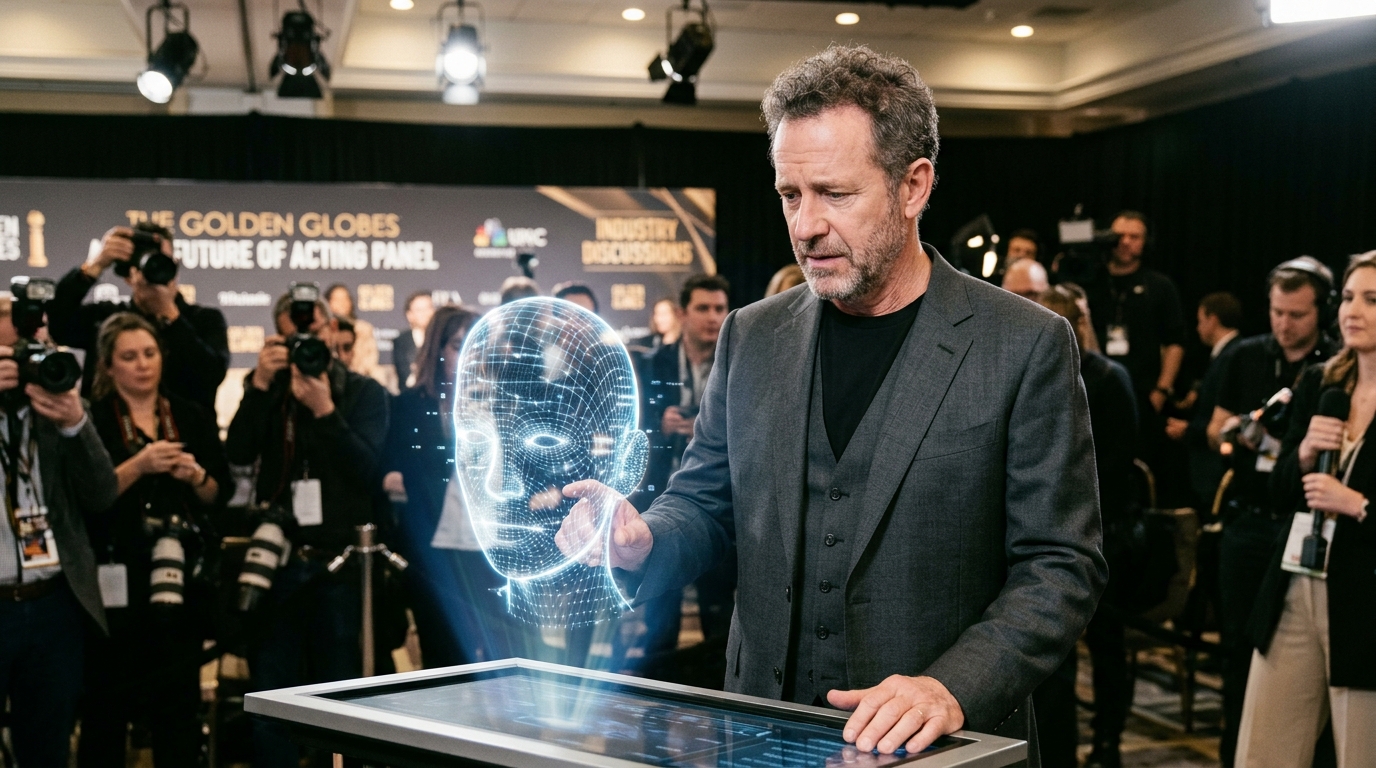
In a move that signals a transformative era for the global entertainment industry, the Golden Globes have announced a radical overhaul of their regulations regarding the use of Artificial Intelligence (AI) in acting performances. This decision, emerging amidst intense debates over ethics and authenticity in cinema, clarifies that the use of AI tools will no longer disqualify a performance from award consideration, provided that its core remains human-led. This shift marks a significant departure from previous, more rigid interpretations of performance art in the digital age.
Defining the Human Core in a Digital Landscape
The new Golden Globes directive attempts to walk a precarious tightrope. On one hand, it acknowledges the inevitable integration of technology into modern film production. On the other, it establishes a strict boundary: "fully synthetic" actors—characters created entirely by algorithms without the initial guidance or foundational performance of a human—remain ineligible for competition. This distinction is vital. It allows actors utilizing de-aging technologies (such as Harrison Ford in the latest Indiana Jones) or digital voice reconstruction necessitated by health issues (such as Val Kilmer in Top Gun: Maverick) to be judged fairly on their artistic contribution.
However, the ruling raises profound questions about where acting ends and data processing begins. If an actor provides 50% of a performance and the remaining 50% is "corrected" or "enhanced" by an AI to convey emotions more precisely, who is the true creator of the role? The Golden Globes seem to answer affirmatively, prioritizing the "intent" and "direction" provided by the human element over the technical execution of the pixels.
The Legacy of the Strikes and Union Pressure
This policy change cannot be analyzed without referencing the historic 2023 strikes by SAG-AFTRA and the WGA. A central demand of those movements was the protection of a performer's "digital persona." The Golden Globes' decision appears to align with the new contracts established then, which require explicit consent from actors for any digital replication or enhancement of their likeness. By formalizing these rules, the awards body is effectively validating the labor rights won on the picket lines.
The industry understands that AI is now a permanent fixture in the filmmaker's toolkit. Rather than implementing a futile ban, the Golden Globes are choosing to integrate it within a framework of rules. This sets a major precedent that the Academy of Motion Picture Arts and Sciences (Oscars) and the Television Academy (Emmys) are likely to follow. Accepting AI as an "enhancement" rather than a "replacement" is the official line Hollywood is taking to soothe fears of total automation in the creative arts.
Ethical Frontiers and the Uncanny Valley
Despite the clarity of the new rules, ethical concerns remain at the forefront. The use of AI in acting isn't just about visuals; it’s about the manipulation of emotion. There is a risk that performances could become products of "committee" or algorithmic optimization, losing the imperfections that make human connection so profound. Critics argue that if AI can "fix" a mediocre performance into an award-winning one, the very concept of the award is undermined. Is the trophy for the actor's effort or the engineer's prompt engineering?
Furthermore, the issue of transparency looms large. Will studios be required to disclose the percentage of AI intervention in every scene? The Golden Globes have not yet specified how they will monitor compliance with these rules. Technology is evolving so rapidly that it is often impossible for the human eye—or even forensic experts—to discern where skin ends and pixels begin. This ambiguity could lead to future controversies where the authenticity of a winning performance is questioned long after the ceremony.
Conclusion: A New Chapter for Cinematic Art
The Golden Globes' decision is a pragmatic admission of reality. We live in an age where technology and biology are merging. Excluding AI from awards would be akin to excluding makeup, special effects, or editing decades ago. However, maintaining the "human core" as an inviolable condition is the final line of defense for the craft of acting. The challenge for the coming years will be ensuring that technology remains in service of the actor, and not the other way around. As the curtain rises on this new act of cinematic history, the world will be watching closely to see how these rules manifest on the red carpets of the future.