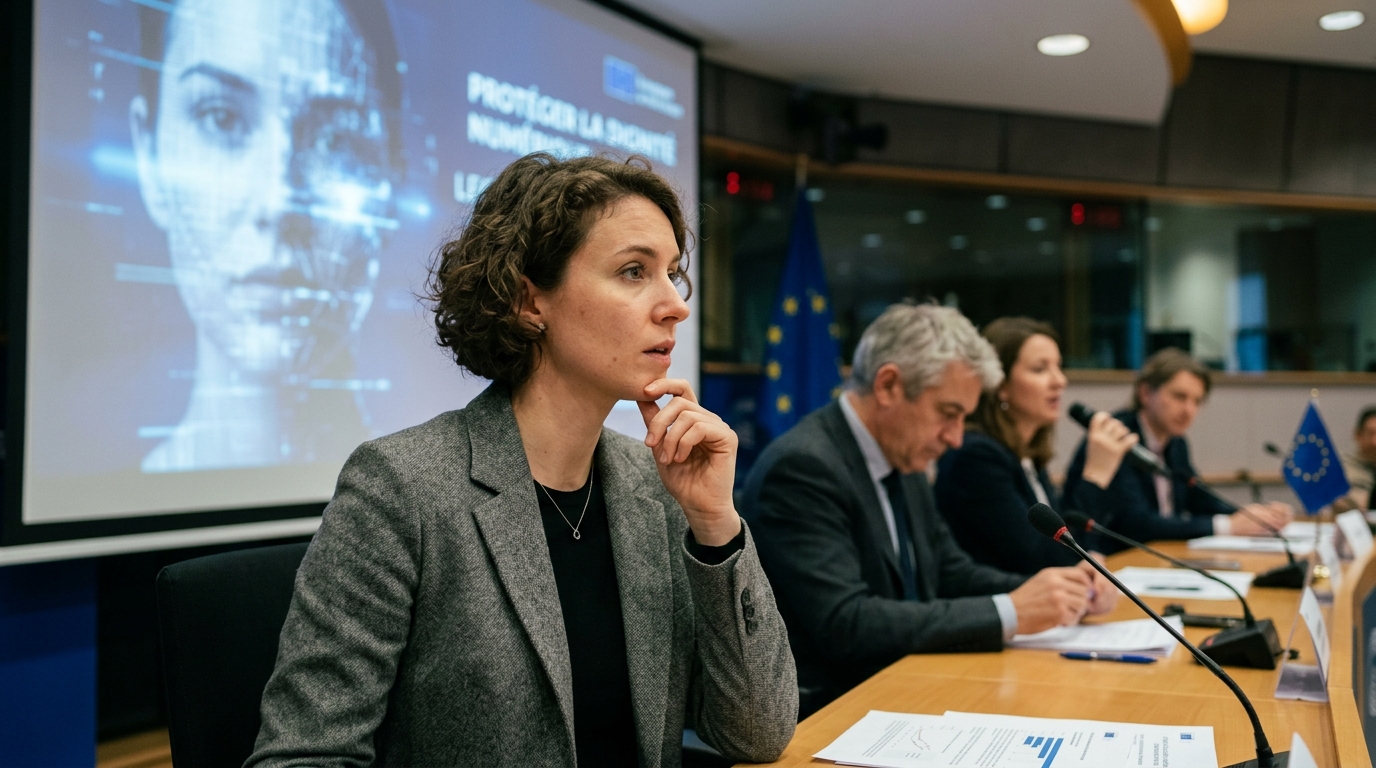
The rapid evolution of generative artificial intelligence has provided humanity with tools of unprecedented creativity, but it has simultaneously opened a Pandora's box of new forms of digital abuse. The European Union, recognizing the imminent danger, is making a historic move: the definitive ban and criminalization of the creation of fake sexual images and videos, known as deepfakes, produced without the consent of the depicted individuals.
The New Legal Reality
This decision is not merely an addition to the existing AI Act; it is part of a broader framework for the protection of human rights. The new Directive on combating violence against women and domestic violence, recently adopted, includes explicit provisions that make the creation and distribution of non-consensual AI-generated sexual material a criminal offense across the EU.
Under the new framework, Member States are required to ensure that the production of such material is punishable by strict prison sentences. The legislation aims at the heart of the problem: the ease with which anyone, using simple open-source tools or subscription services, can now tarnish a person's character, blackmail, or publicly shame victims—who are predominantly women and minors.
The Technological Challenge and Platform Responsibility
One of the most critical points of the new legislation is the responsibility shifted onto big tech platforms and social networks. Until now, the removal of such content often relied on the goodwill of companies or complex reporting procedures. With the new rules, platforms are obligated to act swiftly to remove illegal content; otherwise, they will face exorbitant fines that can reach up to 6% of their global turnover, based on the Digital Services Act (DSA).
- Tightening filters in image generation models.
- Mandatory watermarking for AI-generated content.
- Creation of fast-track communication channels for victims.
- Criminal prosecution not only of distributors but also of creators of software that facilitates such acts.
"The digital integrity of the individual is non-negotiable. We cannot allow technology to become a weapon for destroying lives," stated a European Commission representative.
Ethical Implications and the 'Brussels Effect'
The EU's move is expected to trigger the so-called 'Brussels Effect,' where European regulations become de facto global standards. Since major tech companies are primarily based in the US, the need to comply with the European market forces them to integrate safeguards into their models globally. However, the challenge remains with open-source models, where control is significantly harder to enforce.
The ethical dimension is equally important. Society is called to redefine the concept of 'truth' in the digital age. When an image ceases to be evidence of reality, protecting reputation and dignity becomes an ongoing battle. The EU, with this ban, sends a clear message: innovation cannot proceed at the expense of human existence.
Conclusion: A Step in the Right Direction
While technology will always find ways to bypass restrictions, the existence of a robust legal framework is the first and most important step. The ban on sexual deepfakes is not just about policing the internet; it is about defending a future where artificial intelligence serves humanity rather than victimizing it. The implementation of these measures through 2026 will be the ultimate crash test for the effectiveness of European bureaucracy against digital speed.