In an era where Hollywood seems to be sliding inexorably toward automation, Emily Blunt has decided to draw a line in the sand. The revelation that the British actress refused Steven Spielberg's proposal to use artificial intelligence to create the alien language for his new film, *Disclosure Day*, is not merely a piece of behind-the-scenes trivia. It is a deeply symbolic move that touches the very core of artistic creation and labor ethics in the 21st century.
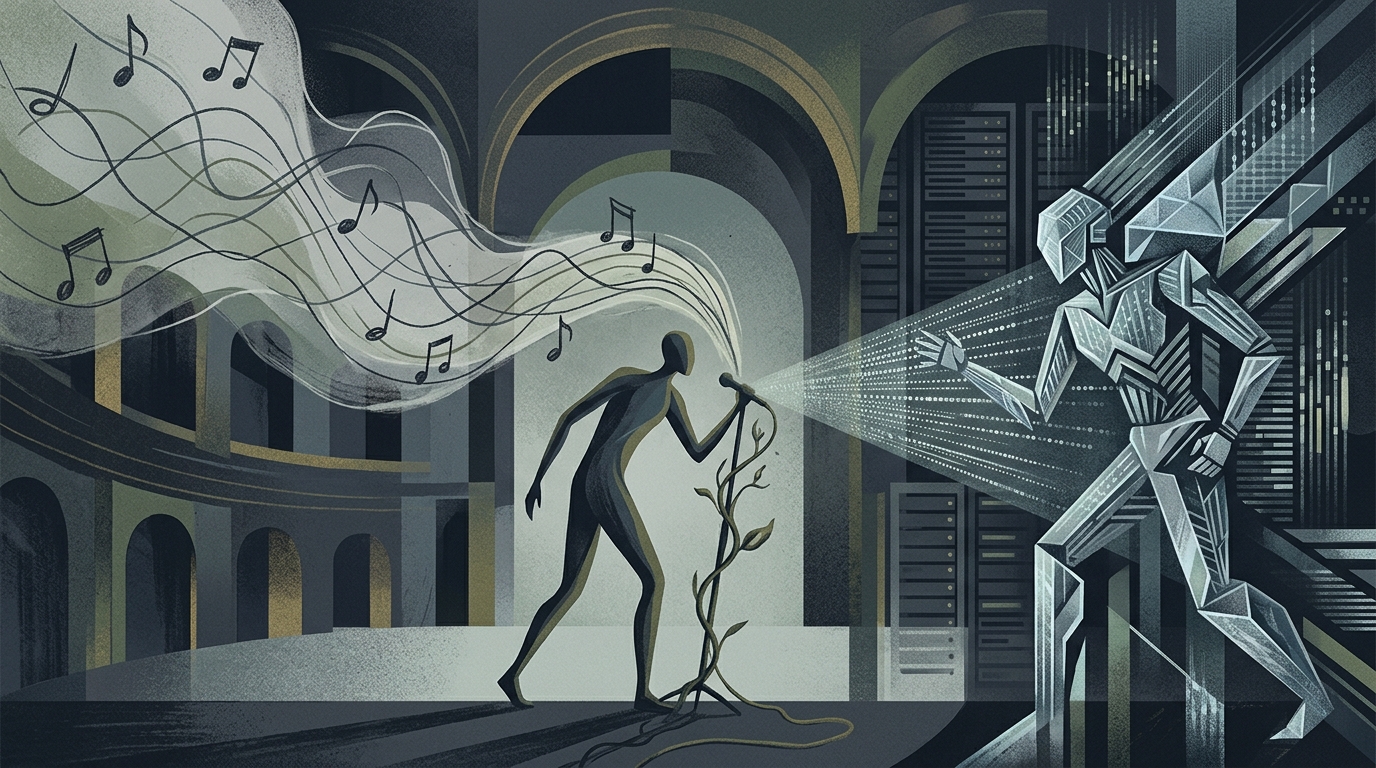
Blunt, known for her commitment to detail and organic performance, chose the difficult path. Instead of letting an algorithm synthesize otherworldly sounds based on data patterns, she spent weeks experimenting with her own vocal cords, creating a soundscape that bears the hallmark of human imperfection and, consequently, human truth. This choice highlights a fundamental conflict: efficiency versus expression.
The Soul of the Voice: Why AI Failed to Convince
Spielberg’s proposal did not stem from a lack of respect for the craft, but from a desire to explore the boundaries of technology—something he has been doing for decades. However, Blunt perceived something that developers often overlook: the voice is not just sound; it is emotion, air pressure, vibration, and biological experience. When an actor "births" a language, that process affects their posture, facial expressions, and interaction with their co-stars.
In *Disclosure Day*, Blunt’s character communicates with entities that transcend human understanding. Using AI could have produced something mathematically perfect, but perhaps emotionally hollow. The actress argued that the process of recording her own sounds allowed her to "inhabit" the role in a way that no digital tool could offer. It is a quest to avoid the "Uncanny Valley," where artificial simulation becomes unsettling because it lacks the "spark" of life.
The Legacy of the Strikes and the Future of Hollywood
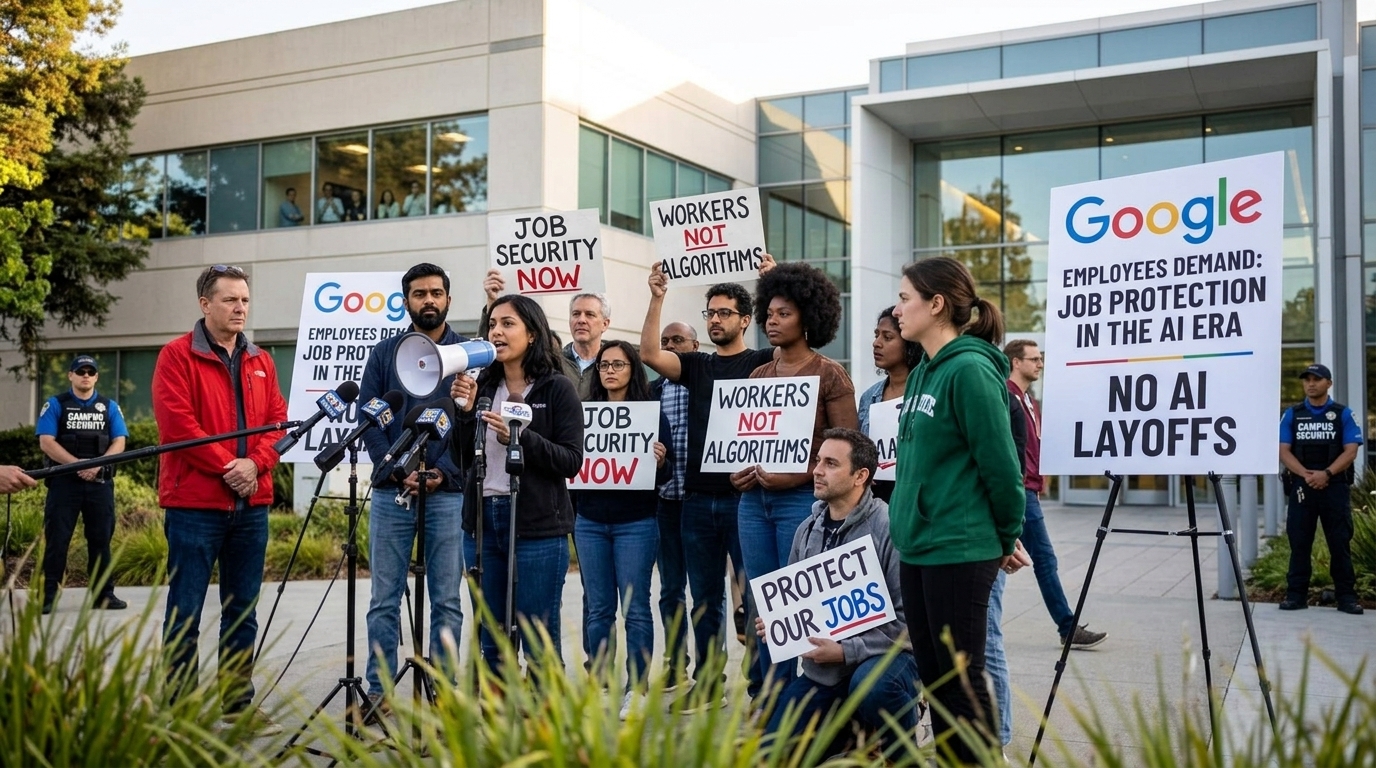
Blunt’s decision cannot be viewed in isolation from the political climate prevailing in the entertainment industry following the historic strikes of actors (SAG-AFTRA) and writers (WGA) in 2023. The central demand was the protection of human labor from the unchecked use of AI. Blunt, as one of the industry's most prominent figures, is sending a powerful message to her colleagues and major studios alike.
If an actress of her caliber refuses the "convenience" of technology to protect the integrity of her performance, then the debate over intellectual property and the "digital soul" gains new momentum. Studios are pushing for AI use to reduce production costs and time in post-production. However, Blunt’s case proves that artistic value remains the creators' strongest bargaining chip. "Handcrafted" art (craftsmanship) is now becoming a premium product in a market saturated with synthetic content.
Spielberg and Technology: A Relationship of Love and Skepticism
Steven Spielberg, the man who gave us *E.T.* and *Jurassic Park*, has always balanced groundbreaking effects with human-centric storytelling. His acceptance of Blunt’s "no" shows that the legendary director recognizes the value of collaboration. *Disclosure Day* is now anticipated with even greater interest, not just for its plot, but as an experiment in whether human presence can prevail over algorithms in a sci-fi environment.
In conclusion, Emily Blunt’s stance is an act of resistance against the homogenization of art. She reminds us that beauty lies in the cracks, the mistakes, and the effort. In a world that can produce anything at the touch of a button, choosing to do something "the hard way" is perhaps the most radical act an artist can perform today. As we move deeper into 2026, the question remains: will we value the machine's perfection or the human's struggle?