In an era where global trade is transforming at breakneck speed, the Chinese giant Alibaba International Digital Commerce Group (AIDC) is making a move that could permanently alter the playing field for small and medium-sized enterprises (SMEs). As we navigate the first half of 2026, the integration of Generative AI is no longer a luxury for major players, but an imperative for survival for any merchant wishing to cross digital borders.
The Next-Generation Toolkit
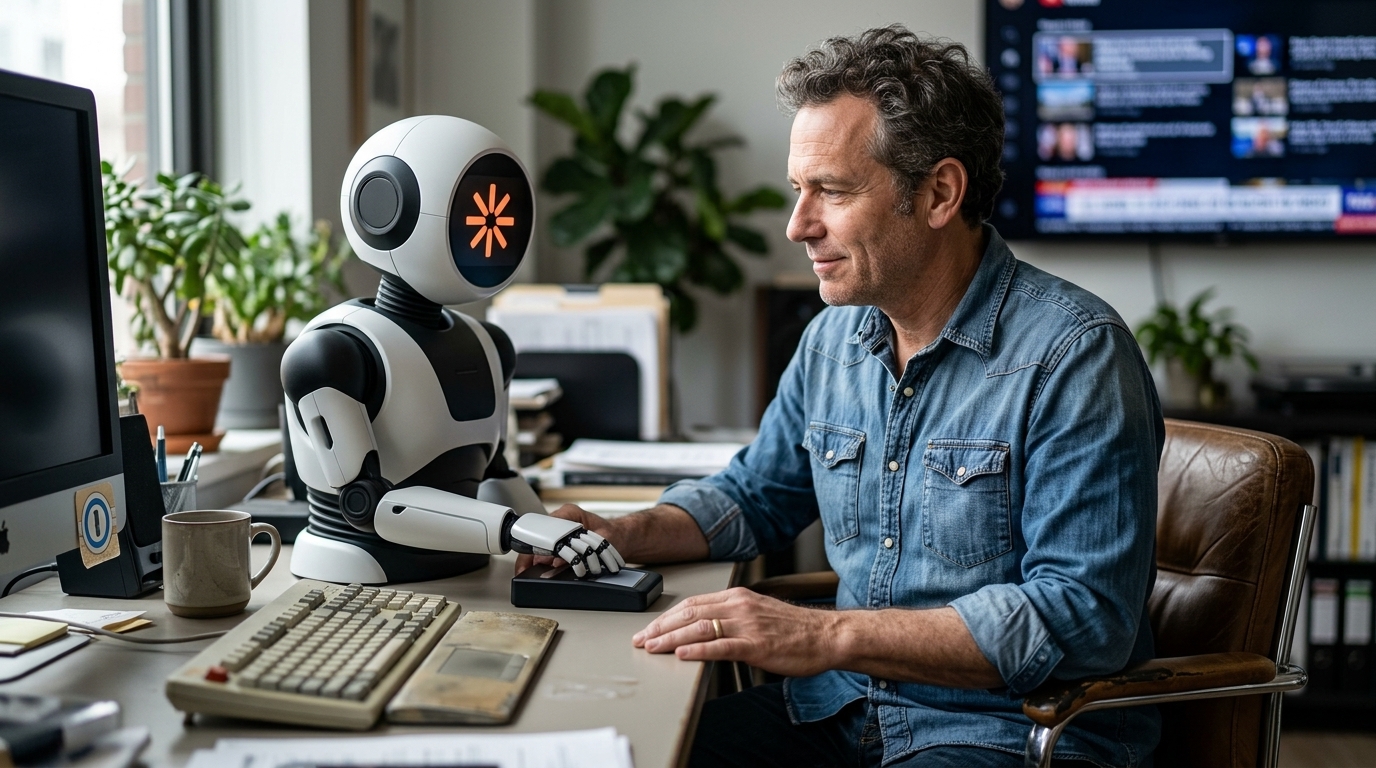
Alibaba's new initiative is not merely about improving existing platforms; it is about introducing a comprehensive ecosystem of AI tools aimed at eliminating traditional barriers to entry. At the heart of this strategy is "Auma," a sophisticated AI assistant based on the Qwen model. This tool undertakes the automation of processes that previously required entire marketing and logistics departments. From creating professional product photos with a single click to writing optimized descriptions for diverse markets, AI is taking on the role of creative director.
Particular emphasis is placed on linguistic accessibility. SMEs often struggle to expand into countries with different cultures and languages due to translation costs and a lack of local knowledge. Alibaba is introducing real-time translation tools that do not just transfer words but adapt meaning and tone to local idioms and consumer habits. This "cultural translator" allows a small producer from Greece or Pakistan to communicate with the same fluency as a buyer in Brazil or Indonesia.
Competition and Geopolitical Context
This move by Alibaba does not occur in a vacuum. Competition with Amazon, Temu, and Shein has intensified, and AI is the new battlefield. While Amazon focuses on warehouse automation and personalizing purchase recommendations in the US and Europe, Alibaba chooses to focus on empowering the seller. The goal is to make its platform the most attractive for the millions of small merchants seeking a way out into international markets amidst inflationary pressures.
- Supply Chain Optimization: AI predicts demand and suggests optimal shipping routes, reducing costs by 15-20%.
- Personalized Customer Service: Chatbots operating 24/7, capable of handling complex customer queries in dozens of languages.
- Content Creation: Automated production of short-form videos for social media, tailored to trends on TikTok and Instagram.
However, the increasing dependence on Chinese AI infrastructure raises questions about data security and digital sovereignty. European regulators are closely monitoring how the data of European merchants and consumers are processed by Alibaba's models, especially in light of the EU AI Act, which is now in full force.
The Challenge of Adoption
Despite the ease of use, the challenge remains education. Many small businesses still view AI with skepticism or fear. Alibaba is investing in training programs, offering free seminars to merchants worldwide. The promise is simple: "Do not fear AI; fear the competitor who uses it." For many markets, this means that exporting SMEs now have tools in their hands that, until three years ago, were accessible only to multinational corporations.
"Artificial intelligence is no longer an optional tool, but the backbone of modern commerce. Our goal is to give every small business the power of a large enterprise," stated an Alibaba International executive during the presentation in Hong Kong.
In conclusion, Alibaba's initiative signals a shift toward more inclusive digital commerce. Although the challenges are many, the ability of a small family business to compete globally thanks to AI is a development that cannot be ignored. The question is not whether AI will change trade, but who will adapt faster to this new reality.