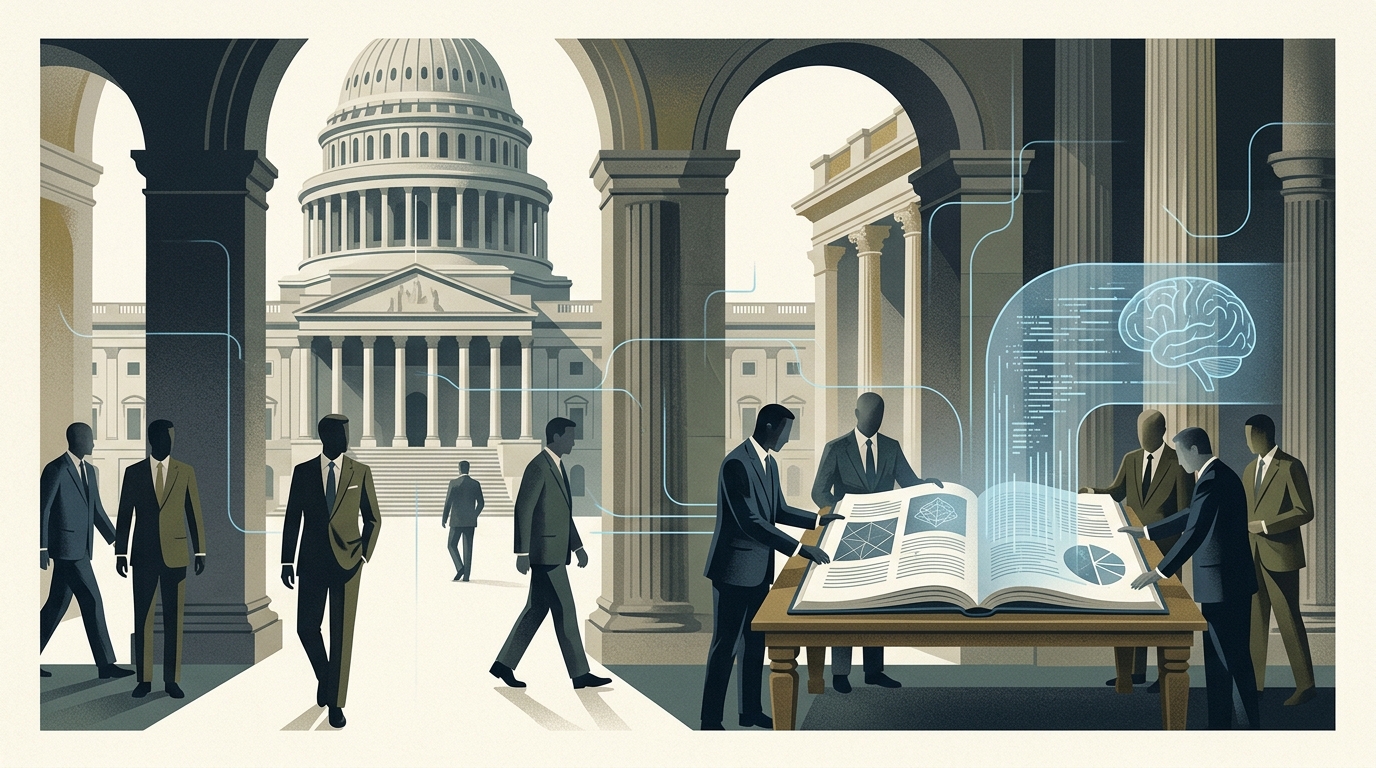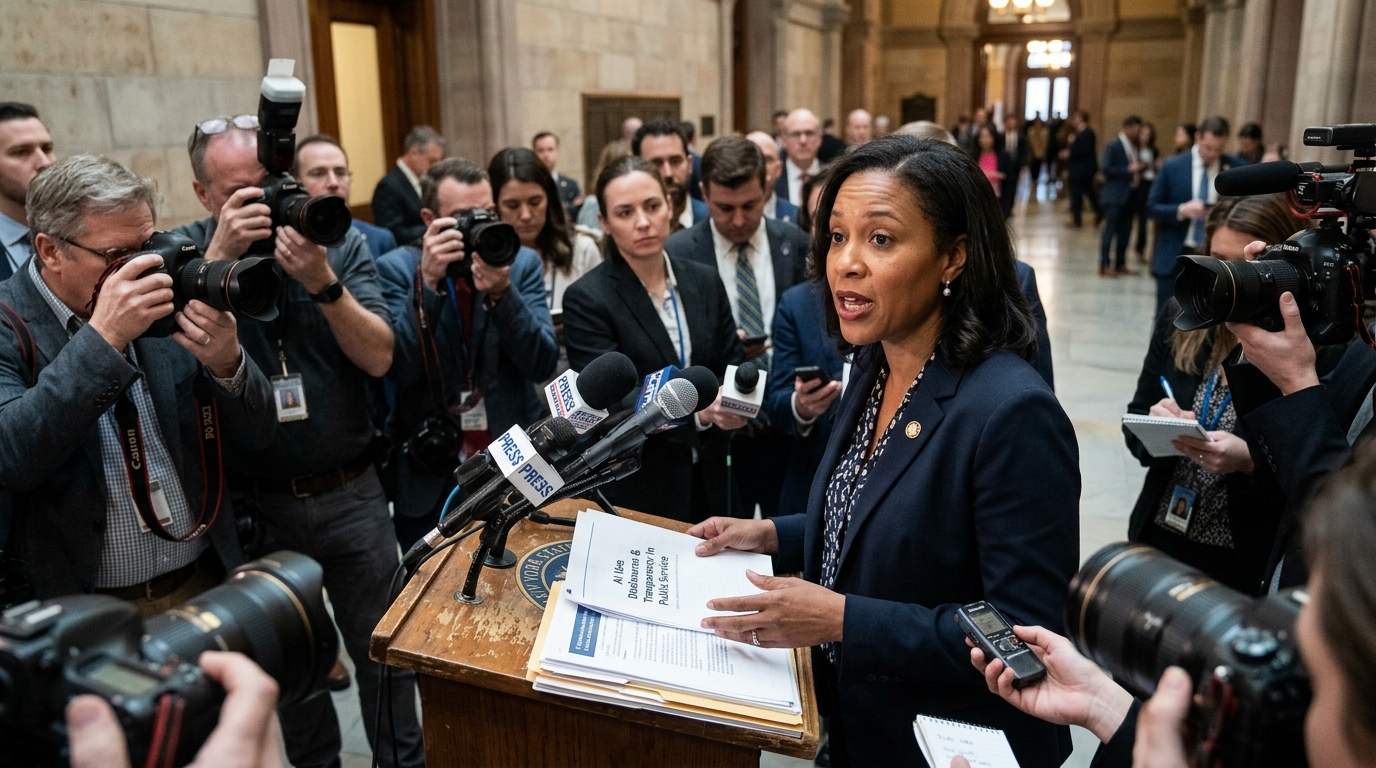
In the high-stakes political arena of New York, where town hall traditions meet the cutting edge of global technology, a new question has begun to dominate congressional debates: "Who is writing your speeches, and who is profiling your voters? Is it you, or an algorithm?" As we move through June 2026, the use of Artificial Intelligence in political campaigns is no longer a theoretical threat or a futuristic gimmick; it is a daily reality that demands radical transparency.
Debate moderators, from Brooklyn to Buffalo, have realized that AI has the potential to fundamentally rewire the democratic process. This shift isn't just about the fear of deepfakes—a concern that loomed large in 2024—but about something far more subtle and pervasive: the automation of political persuasion. The demand for clear answers stems from a growing anxiety that voters may be interacting with "digital ghosts" of candidates rather than the representatives themselves.
Transparency as the New Political Capital
The pressure on candidates to disclose their AI usage is more than mere journalistic curiosity. It represents a grassroots effort to establish guardrails in a domain that remains largely unregulated by federal law. In New York, voters are uniquely sensitive to issues of authenticity. When a candidate uses AI to synthesize responses to voter questionnaires or to generate hyper-targeted social media ads, a critical question arises: Where does strategic campaigning end and algorithmic manipulation begin?
According to recent reports by City & State New York, moderators are now asking candidates to sign pledges or publicly declare whether they use Generative AI for content creation. The classic pivot—"I’m not sure" or "my team handles that"—is no longer passing muster. Candidates are being forced to explain whether the algorithms they employ are trained on biased datasets or if they inadvertently amplify existing social polarizations.
Productivity vs. Ethics: The Campaigner's Dilemma
From the perspective of campaign managers, AI is often framed as a tool for democratization. Underfunded campaigns, lacking the multi-million dollar war chests of incumbents, can use AI to analyze voter data, organize volunteer schedules, and draft press releases at a fraction of the traditional cost. This "leveling the playing field" argument is compelling, but it carries significant risks.
- Automated Micro-targeting: The ability of AI to analyze psychographic profiles allows campaigns to send different, sometimes contradictory, messages to various voter blocs with surgical precision.
- Voter Alienation: If a constituent realizes that a personalized email from a candidate was actually generated by a large language model, the already fragile trust in the political system may collapse further.
- Data Ethics: Who controls the data fueling these models? Tech corporations are increasingly becoming the silent gatekeepers of the political agenda.
The Legislative Void and the New York Initiative
While Congress in Washington moves at a glacial pace regarding AI regulation, New York State is attempting to take matters into its own hands. Legislative proposals requiring the watermarking of any AI-generated content in political advertising are currently under debate in Albany. However, the challenge remains: technology evolves faster than bureaucracy.
"Democracy relies on human judgment. If we replace the organic connection between candidate and citizen with algorithmic mediation, we risk turning elections into a software arms race," notes a Manhattan-based political tech analyst.
In conclusion, the decision by New York debate moderators to place AI at the center of political discourse is a necessary step toward digital maturity. This is not an attempt to demonize technology, but a demand for accountability. In a world where truth is becoming increasingly fluid, transparency regarding the tools that shape public opinion is the last line of defense for the democratic process. As the 2026 cycle heats up, New York is setting a precedent that the rest of the nation would be wise to follow.