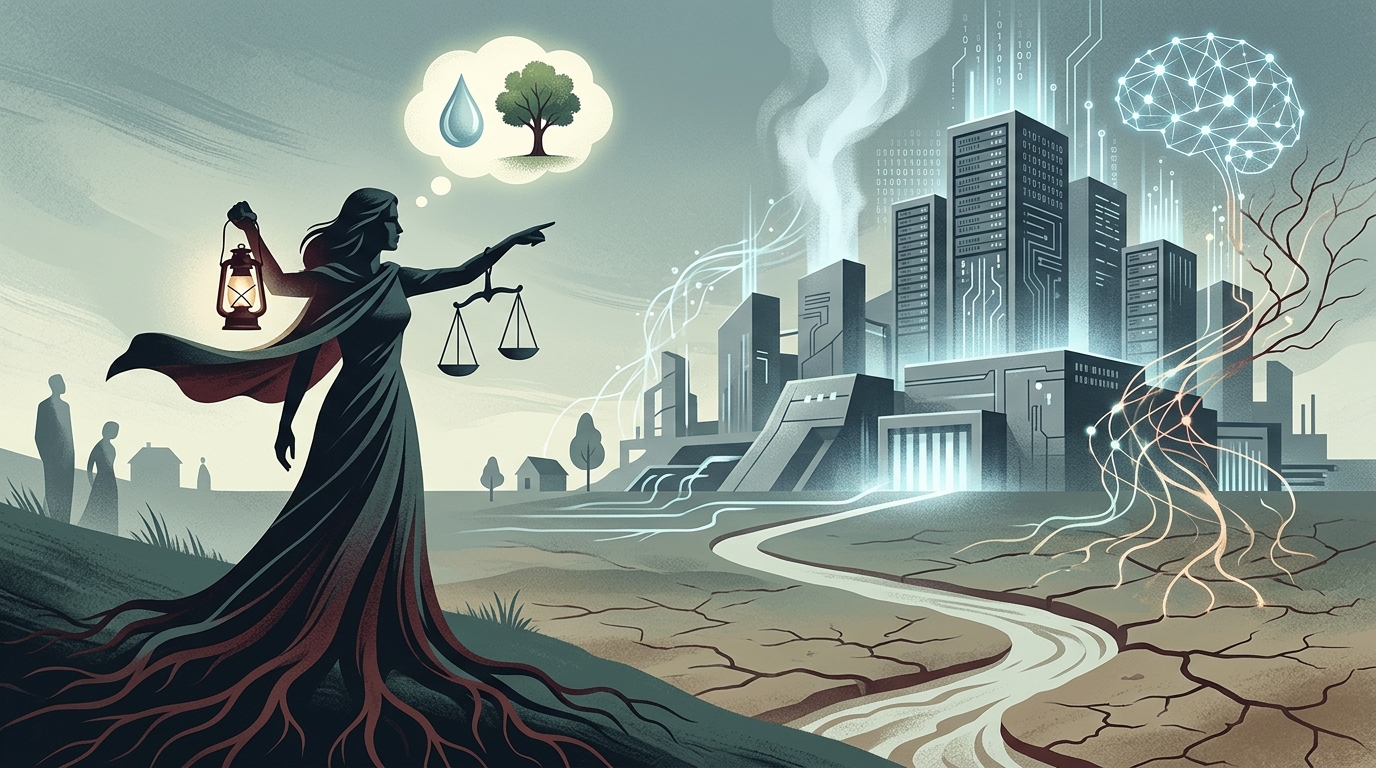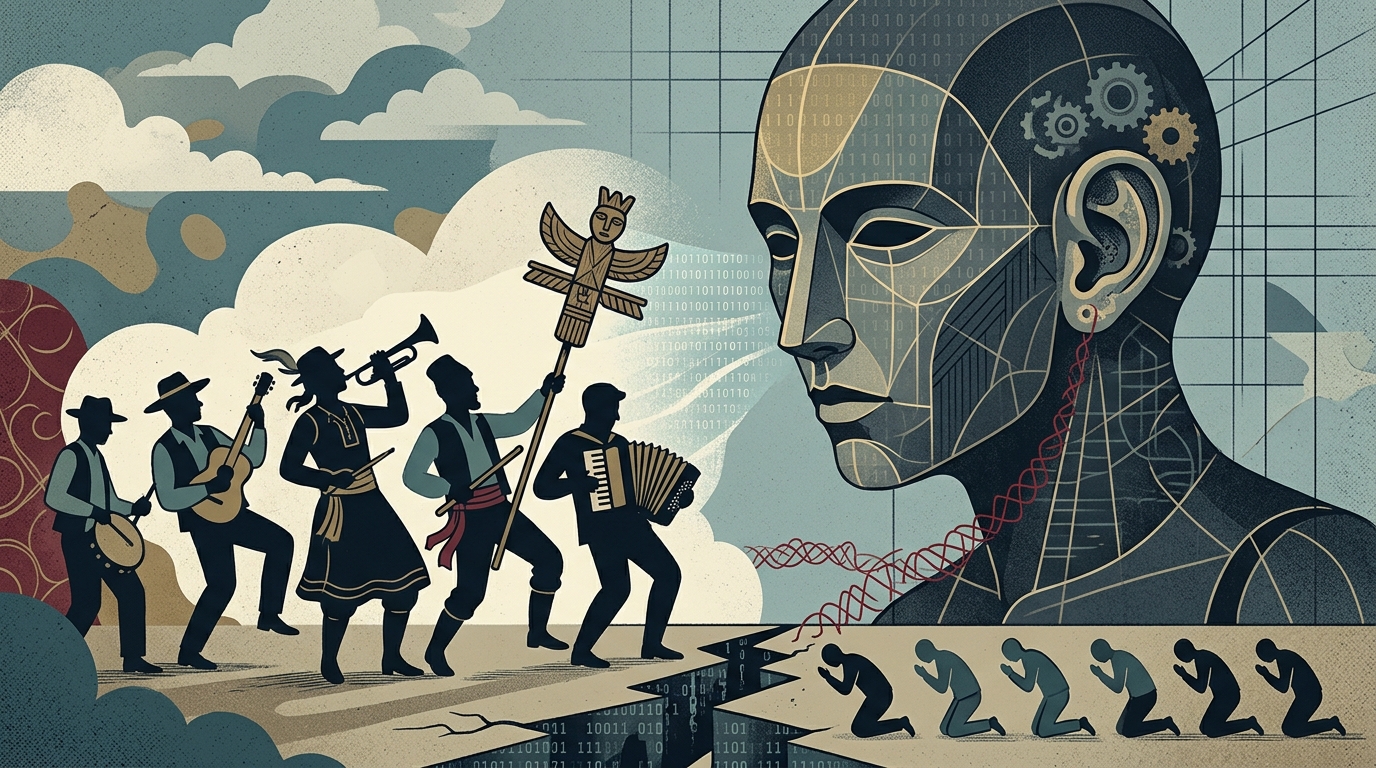
In the heart of the Balkans, where history and politics often collide with the absurd, Dubioza Kolektiv has emerged as the premier voice of social critique. Known for their explosive blend of ska, punk, and reggae, the Bosnian musicians are now aiming their satirical arrows at a new target: the uncritical acceptance and blind faith modern society places in Artificial Intelligence (AI).
Through their latest creative endeavor, featuring "Robby Megabyte" — a humanoid robot that participates in their live shows — the band satirizes the notion that technology can replace human creativity, or worse, solve deep-seated political and social problems that humanity itself fails to manage.
Robby Megabyte and the Irony of Automation
Introducing a robot to the stage is not merely a marketing gimmick. For Dubioza Kolektiv, Robby Megabyte serves as a living metaphor for the contemporary existential crisis. In their performances, the robot "sings," "dances," and interacts with the audience, creating an uncanny atmosphere. The satire lies in the fact that while the audience marvels at Robby's capabilities, the band reminds them that this "perfection" is hollow.
As they have noted in recent interviews, the inspiration came from observing how easily people outsource their decision-making to algorithms. "If we can automate music, why not automate the government?" they ask ironically, touching upon the political apathy that often accompanies technological advancement.
Ethical Dilemmas and the Loss of Authenticity
Dubioza Kolektiv's critique extends deep into the ethical realm. AI in art is not just a productivity tool; it is a mechanism that threatens to homogenize cultural expression. When algorithms are trained on existing data to produce "new" music, the result is a recycling of the past, stripped of the risk and raw emotion that define the human experience.
- The alienation of the creator from their work through AI mediation.
- The risk of "digital numbness" where convenience outweighs artistic quality.
- The use of technology as a smokescreen to avoid social and political responsibility.
In a region like Bosnia and Herzegovina, where trust in institutions is traditionally low, the idea that an "infallible" AI system could bring order is both tempting and dangerous. Dubioza warns that blind trust in code written by multinational corporations is nothing more than a new form of digital subjugation.
"We are not afraid that robots will kill us; we are afraid they will make us as boring as they are," the band famously stated.
The Political Dimension of Technological Satire
The band links the rise of AI to a global trend toward technocratic authoritarianism. In their song "Take My Job Away," the irony is palpable: a worker begs the robot to take his job so he can finally be "free," only to realize that without work and purpose, he becomes a redundant cog in a machine that no longer requires him.
This approach highlights a crucial aspect of AI ethics: economic inequality. While Silicon Valley elites promise a utopia of leisure, the reality for the working class in the Balkans and elsewhere is job insecurity. Dubioza Kolektiv uses their music to deconstruct the narrative of the "inevitability" of technological dominance, urging the audience to remain critical and, above all, human.
In conclusion, Dubioza Kolektiv's stance is not a blind opposition to progress (Luddism), but a call for vigilance. In a world rushing to digitize every aspect of existence, their Balkan irony serves as a necessary counterweight, reminding us that technology must serve humanity, and not the other way around.