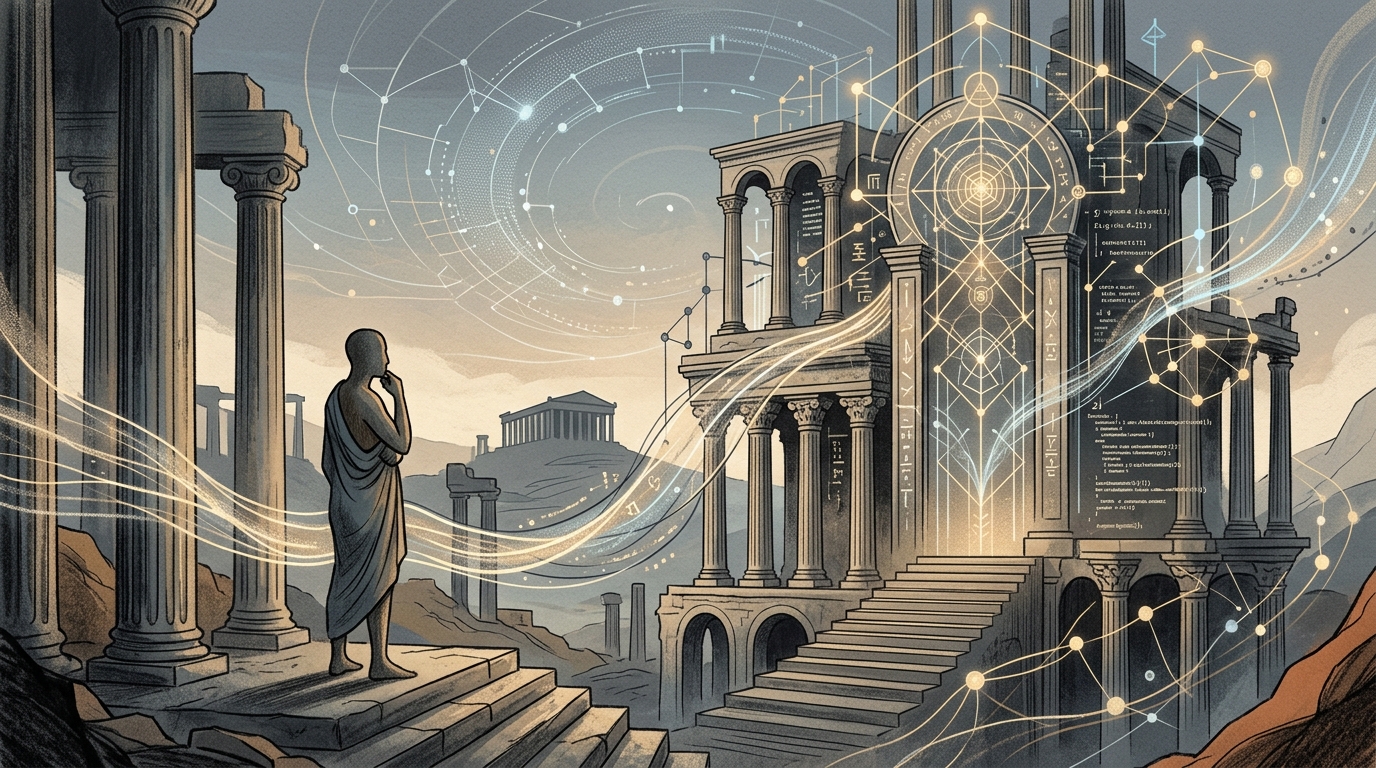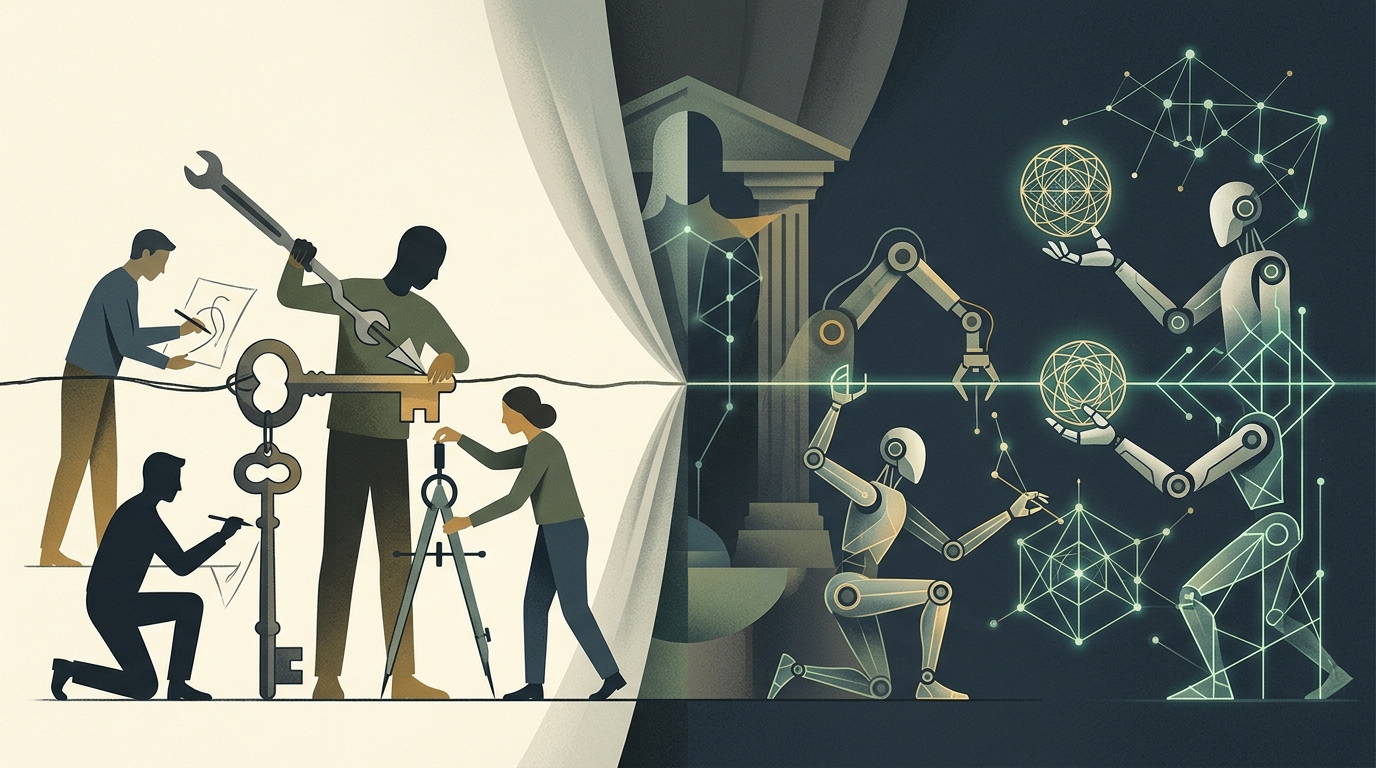
As we navigate the first half of 2026, the discourse surrounding Artificial Intelligence (AI) has shifted from theoretical threats to daily realities. Dr. Konstantinos Dovrolis, a professor at the Georgia Institute of Technology and one of the most influential voices in complex systems, poses a critical question: How dangerous is it, ultimately, for humans to be replaced by machines? His analysis, recently featured in Philenews, is not merely a warning but a profound dissection of our relationship with technology.
The Illusion of Intelligence and the Reality of Automation
Dr. Dovrolis points out that modern AI, despite its impressive ability to synthesize text, images, and code, does not possess "intelligence" in the anthropocentric sense. However, this does not make it any less dangerous for the labor market. The danger lies not in machines gaining consciousness, but in their ability to perform cognitive tasks with speed and precision that surpass human capabilities. According to the professor, replacement will not happen overnight but through a gradual erosion of professional roles.
The problem, he argues, is structural. Corporations, driven by the need to maximize profit and reduce costs, tend to adopt AI solutions that sideline the human element. This creates a vacuum that is not only economic but existential. When labor, a fundamental pillar of human identity, is automated, social cohesion is put to the test.
The Education Challenge and "Cognitive Atrophy"
One of the most intriguing aspects of Dr. Dovrolis's thought concerns education. He warns of the risk of "cognitive atrophy." If students rely exclusively on AI tools for problem-solving and essay writing, they will lose the capacity for critical thinking and deep analysis. AI should function as an "exoskeleton of the mind" and not as a substitute for the brain.
- The need to redesign curricula with an emphasis on creativity and complex reasoning.
- Cultivating skills that machines find difficult to replicate, such as empathy and moral judgment.
- Establishing frameworks that ensure humans remain "in the loop."
"Artificial Intelligence is a mirror of our own priorities. If our priority is only efficiency, then replacement is inevitable," he characteristically notes.
Towards a New Social Contract
Dr. Dovrolis does not stop at criticism; he also proposes solutions. The transition to an AI-dominated economy requires a new social contract. This includes the potential taxation of robotic labor, the strengthening of the welfare state, and, perhaps most importantly, a redefinition of the value of human work. Technology must serve humanity, not the other way around.
In conclusion, the danger does not stem from AI itself, but from the way we choose to integrate it into our societies. The replacement of humans is a choice, not an inevitable outcome of technological progress. Vigilance, education, and ethical fortitude are the only tools we have to ensure that the future remains human-centric.