The film industry finds itself once again in the crosshairs of public opinion as the lines between live performance and digital likeness become increasingly blurred. The recent release of the trailer for the project “Don’t Fear the Dead,” which utilizes artificial intelligence to replicate Val Kilmer’s likeness and voice, has ignited a firestorm of controversy online. What some view as a technological triumph, many others see as a “sacrilegious” commercialization of the human essence, raising critical questions about the ethics of AI in Hollywood.
The Case of Val Kilmer: From Top Gun to Digital Immortality
Val Kilmer is no stranger to the use of artificial intelligence. Following his battle with throat cancer, which severely limited his voice, the actor collaborated with the company Sonantic to create a digital model of his voice for “Top Gun: Maverick.” That move was hailed as a touching use of technology that allowed an artist to continue his work despite physical limitations. However, this new venture seems to cross an invisible red line.
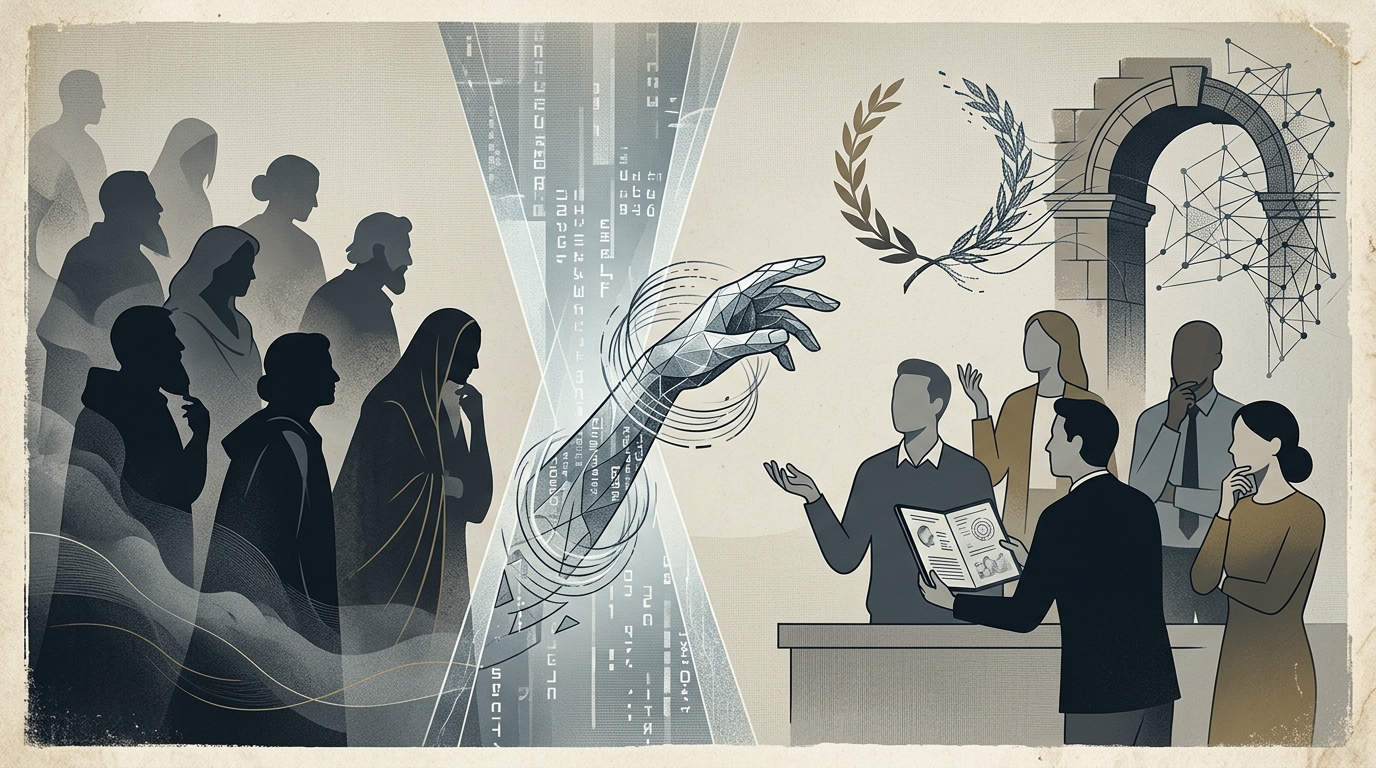
The issue lies not in the technology itself, but in how it is used to “construct” performances that never actually took place. Reactions on X (formerly Twitter) and other social platforms focus on the “Uncanny Valley” effect—where digital representations are close enough to reality to be unsettling—as well as the ethical dimension of using the image of a person who, though alive, is rendered a “digital puppet” in the hands of producers.
The Clash with Unions and the Legal Vacuum
This controversy arrives at a time when Hollywood is still trying to heal from the massive strikes by actors (SAG-AFTRA) and writers. A central demand was protection against the unregulated use of AI to reproduce the likeness and voices of performers. Although some agreements were reached, cases like Kilmer’s highlight the loopholes that remain.
- The requirement for explicit consent for every new use of a digital likeness.
- Fair compensation for the use of data that trains AI models.
- The protection of actors' rights post-mortem (digital necromancy).
In Europe, the AI Act attempts to establish transparency rules, but the entertainment industry often moves faster than legislation. The question arises: is the audience ready to accept a cinema where actors are no longer necessary on set, but are merely “assets” on a hard drive?
Ethics and Artistic Dignity
Beyond the legal framework, there is a philosophical dimension. What makes a performance great? Is it the ability of an algorithm to predict the next movement of facial muscles, or is it the human experience, the pain, and the authenticity conveyed on screen? Critics of “Don’t Fear the Dead” argue that transforming actors into digital avatars strips the soul from art.
“Art is the communication of a human experience. When you remove the human and keep only the shell, what remains is not art; it is a high-tech product,” notes one industry analyst.
The internet’s outrage is not just a reaction to potentially subpar visual effects, but a cry of concern over the loss of human connection. If viewers stop trusting what they see as real, the very magic of cinema risks evaporating.
Conclusion: Toward a New Social Contract
The case of Val Kilmer serves as a prelude to an era where “digital resurrection” will become commonplace. The industry must find a balance between innovation and respect for human dignity. Artificial intelligence can be a powerful tool in the hands of creators, but it must never become a substitute for the human spirit. Whether we remember Val Kilmer for his iconic performances or as a digital experiment depends on the decisions being made today in the offices of major studios.