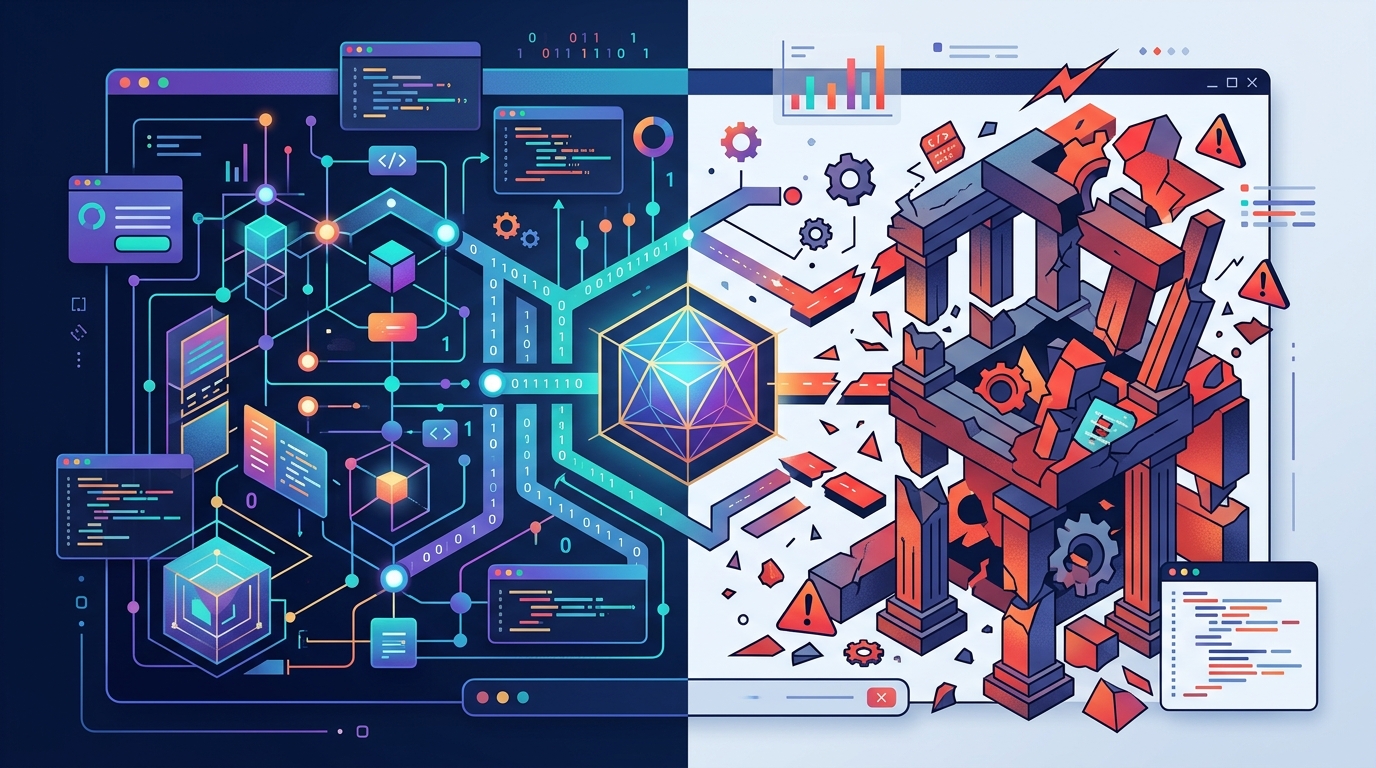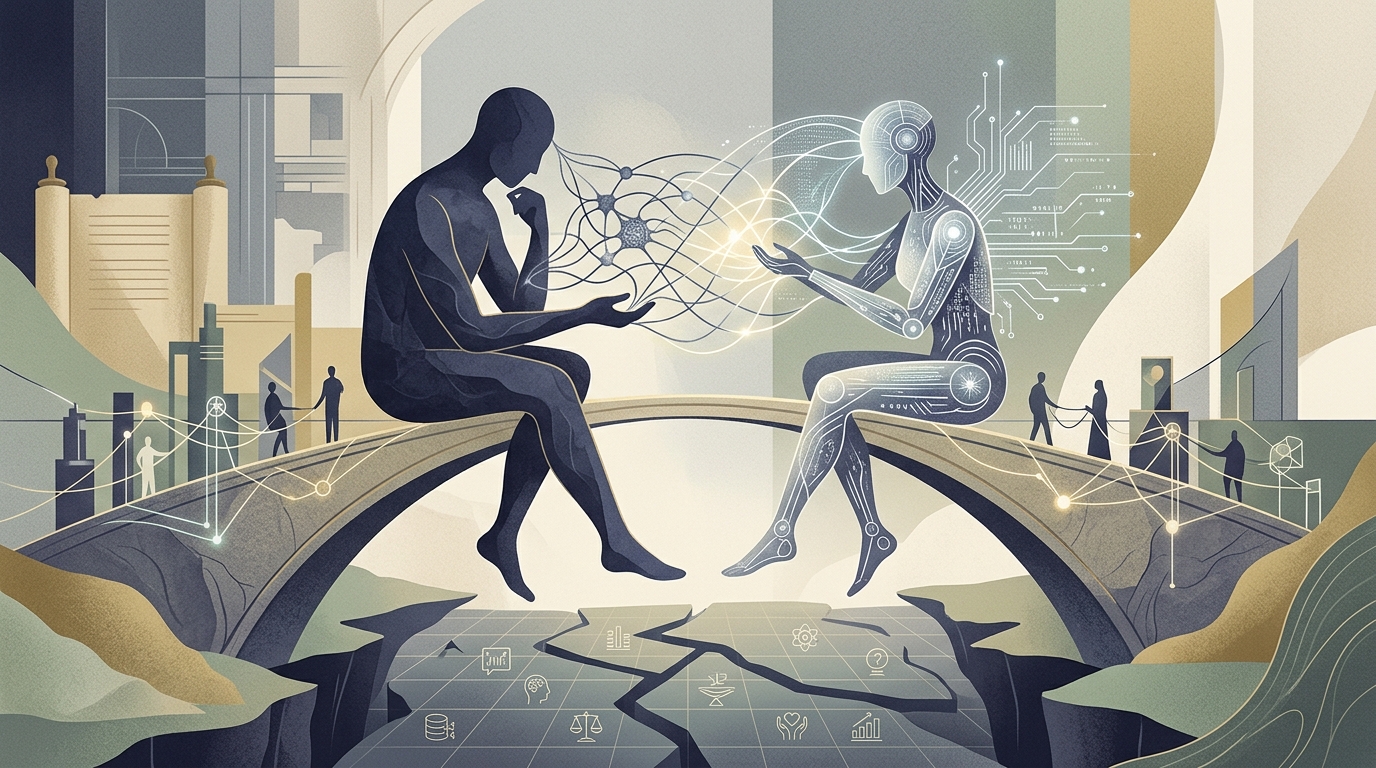
In the contemporary technological landscape, a paradox is unfolding that mirrors an ancient tragedy or a dystopian novel: thousands of professionals—from software engineers and legal experts to poets and translators—are being hired by Silicon Valley giants to "teach" artificial intelligence how to perform their duties with human-like precision. This process, known as Reinforcement Learning from Human Feedback (RLHF), forms the backbone of Large Language Model (LLM) evolution, yet it simultaneously raises fundamental ethical questions about the future of labor.
The Invisible Labor Behind the "Intelligence"
To the average user, ChatGPT or Claude appears to possess an innate wisdom. In reality, this "wisdom" is the result of millions of hours of human correction. Workers in this new "ghost economy" are no longer limited to simple image labeling of traffic lights or pedestrians. Today, PhDs in philosophy are asked to evaluate the ethical framework of a chatbot's responses, while seasoned developers debug the code produced by AI, teaching it the subtle nuances of optimization that were previously considered an exclusively human domain.
The problem lies in the short-term nature of this transaction. Workers accept these roles, often with competitive pay within the gig economy, without realizing—or perhaps choosing to ignore—that every corrected sentence and every improved line of code brings AI one step closer to no longer needing them. It is a form of digital cannibalism, where capital purchases the worker's knowledge to permanently integrate it into an algorithm that requires no salary, no insurance, and no rest.
Ethical Dilemmas and the Erosion of Expertise
From an ethical standpoint, this situation creates a profound power imbalance. AI companies argue they are creating new jobs, but these roles are by definition transitory. Once a model reaches a level of proficiency (the so-called "saturation point"), the need for human intervention drops precipitously. Furthermore, there is the issue of intellectual property and the value of experience. When a translator with 20 years of experience trains a translation model, they aren't just selling time; they are selling the essence of a lifetime's craft, which is then cloned and sold as a subscription service by the corporation.
- The reliance on RLHF proves that AI is not "autonomous" but rather parasitic on human creativity.
- Employment contracts often include strict NDAs that prevent workers from discussing the nature of their task.
- There is a risk of "model collapse" if AI begins training on data produced by other AIs, making human feedback even more valuable and rare.
Toward a New Social Contract?
The history of technology is replete with vanished professions, but the speed and scale of the current transition are unprecedented. In Europe and globally, the conversation must move beyond simple tool adoption and focus on labor protection. If our knowledge is the fuel for AI, then the creators of that knowledge deserve more than an hourly wage; they deserve a stake in the value produced in the long term.
"We aren't just training a tool; we are handing over the keys to cognition to entities owned by the few, using the survival of the many as bait," notes a prominent industry analyst.
Ultimately, the challenge is not technical, but political. We must decide whether AI will be an assistant that augments human capability or a replacement that feeds on the remnants of our professional dignity. The current practice of paying workers to self-automate is perhaps the most honest, albeit harsh, illustration of 21st-century capitalist priorities.