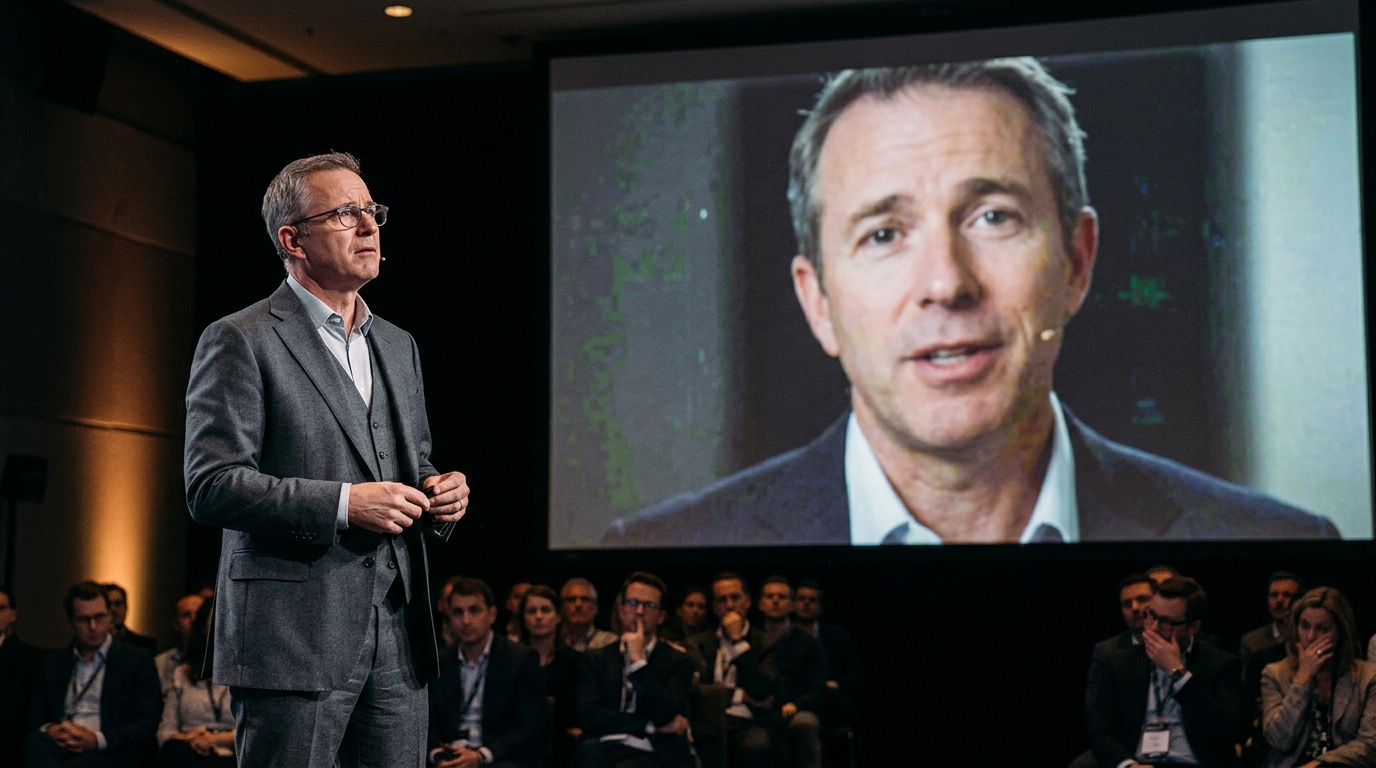
At the dawn of the third decade of the 21st century, the concept of "truth" in corporate communications is under an unprecedented assault. We are no longer dealing with simple phishing emails or malware. The new threat is the CEO himself—or at least, a digital entity that looks, sounds, and moves exactly like him. The "Deepfake CEO" phenomenon is no longer a science fiction scenario; it is a tangible, systemic threat to the global economy and corporate security.
The Illusion of Authenticity
Deepfake technology, powered by advanced generative AI algorithms, allows for the creation of hyper-realistic video and audio clips. While initially used for entertainment or political propaganda, criminal organizations quickly discovered its value in the business world. The ability to mimic a CEO’s voice during a phone call or their likeness in a Zoom meeting provides attackers with a potent weapon: authority.
Recent incidents, such as the $25 million fraud targeting a multinational firm in Hong Kong—where an employee was convinced to transfer funds after a video conference with "digital clones" of senior management—highlight the scale of the problem. Attackers no longer need to breach complex firewalls; they only need to breach human judgment and hierarchical trust.
The Psychology of Fraud and Corporate Hierarchy
Why are these deepfakes so effective? The answer lies in the psychology of power. In most corporate structures, an order from the CEO is executed swiftly and often without due scrutiny, especially when accompanied by a sense of urgency. Cybercriminals exploit this exact dynamic. They use publicly available data—YouTube speeches, interviews, podcasts—to train their AI models, making the impersonation nearly flawless.
- Voice Synthesis: The ability to replicate the tone, accent, and idioms of an executive.
- Visual Realism: Real-time face-swapping technology used during live video calls.
- Social Engineering: Gathering personal data from social media to craft convincing narratives.
- Psychological Pressure: Creating artificial deadlines to discourage verification.
The challenge for IT and security departments is immense. Traditional cybersecurity tools are designed to detect viruses and malicious code, not to distinguish a real human from a digital clone in a live stream. This creates a "trust gap" that can be fatal to a company’s reputation and finances.
Defense Strategies in a World Without Certainties
Combating Deepfake CEOs requires a radical paradigm shift in corporate culture. Technology alone is not enough. Businesses must adopt protocols reminiscent of military operations or high-security banking transactions. The concept of "Zero Trust" must now be extended to interpersonal communications.
"In the age of AI, seeing is no longer believing. Authenticity must be proven, not assumed," say analysts from IMD.
A core strategy is the establishment of "out-of-band" verification. For instance, if a CEO requests an unusual fund transfer via a video call, the CFO should confirm the order through a second, pre-determined communication channel, such as an encrypted messaging app or a face-to-face meeting. Furthermore, the use of regularly updated "duress codes" or shared secrets can provide an additional layer of security.
The Future: A Constant Arms Race
As deepfake creation tools become more accessible and affordable, the frequency of attacks will surge. Simultaneously, AI detection tools are being developed to look for microscopic anomalies in facial blood flow (photoplethysmography) or inconsistencies in eye and lip movements. However, this is a classic arms race: every time a detection method is developed, creation algorithms improve to bypass it.
Ultimately, the strongest defense remains human intuition and education. Employees at all levels must be trained to be skeptics, to recognize the red flags of potential fraud, and to not fear questioning an order that seems suspicious, even if it appears to come from the very top. The digital era demands a new form of "digital literacy," where the ability to distinguish the real from the artificial will be the most valuable survival skill.