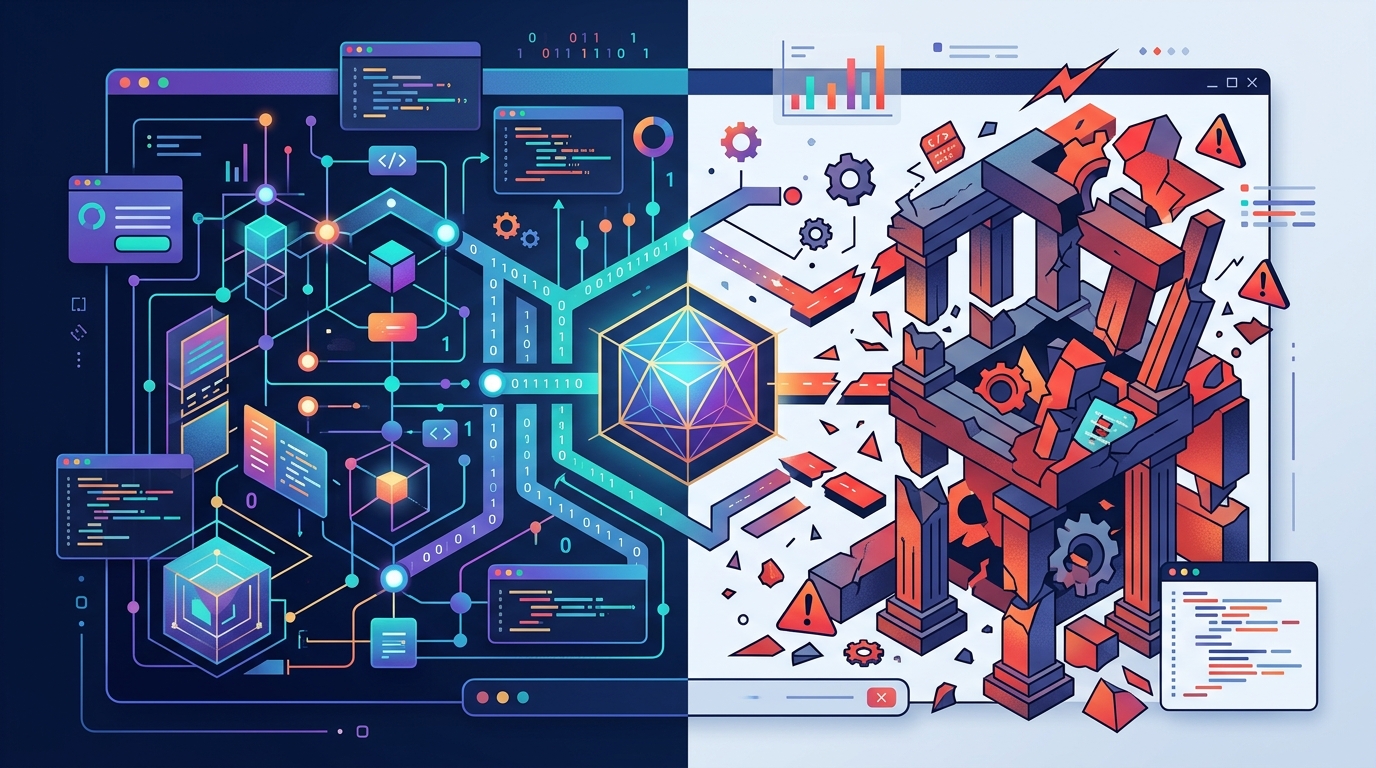
The promise of Artificial Intelligence (AI) in the legal sector is tantalizing: instant access to advice, automated contract drafting, and a drastic reduction in costs for the average citizen. However, as we navigate 2026, the reality is proving to be far more complex and fraught with peril. While Large Language Models (LLMs) have become remarkably adept at processing text, their application to legal issues without human oversight poses risks that can destroy lives and fortunes.
The Illusion of Authority and 'Hallucinations'
The single greatest problem facing users who turn to tools like ChatGPT or Claude for legal assistance is the phenomenon of "hallucinations." AI does not "know" the law; it predicts the next likely word in a sequence based on statistical patterns. This has led to numerous high-profile incidents where AI invented entire court cases, cited non-existent statutes, and presented false precedents with absolute confidence.
As legal analysts point out, a layperson lacks the tools to distinguish a valid legal reference from a fabricated one. In the world of justice, a single incorrect word or a citation of a repealed law can lead to the dismissal of a lawsuit or the missing of a critical deadline. The authoritative tone used by AI creates a false sense of security that is often fatal to a legal strategy.
"AI is a brilliant research assistant but a dangerous lawyer. Jurisprudence requires judgment, not just statistical word prediction."
The Confidentiality Conundrum and Data Privacy
Another critical dimension often overlooked by users is the protection of personal data. When a citizen inputs details about a personal matter—such as a divorce, a financial dispute, or a criminal investigation—into an AI platform, that data ceases to be private. In most cases, this information is used to further train the models, becoming part of the provider's dataset.
Unlike the attorney-client relationship, which is protected by legal privilege and strict confidentiality laws, interaction with a chatbot offers no such guarantees. Users are essentially waiving their privacy, exposing sensitive information to private tech corporations. This can have severe implications in subsequent litigation, as opposing parties could theoretically gain access to this information through legal discovery or data breaches.
Access to Justice vs. Quality of Counsel
There is a strong argument in favor of AI: the "democratization" of legal aid. For millions who cannot afford the high costs of an attorney, AI appears to be the only solution. However, experts warn of the emergence of a "two-tier" justice system. On one side, the wealthy will have access to specialized lawyers who use AI as a sophisticated tool; on the other, the economically disadvantaged will rely solely on automated systems of questionable accuracy.
- Lack of Empathy: AI cannot understand the human context or the subtle nuances of an ethical or emotional conflict.
- Liability: Who is responsible when AI provides incorrect advice that leads to imprisonment or financial ruin?
- Jurisdictional Accuracy: Most models are trained predominantly on US law, making them highly inaccurate for European or other civil law jurisdictions.
The Future: Human-Machine Collaboration
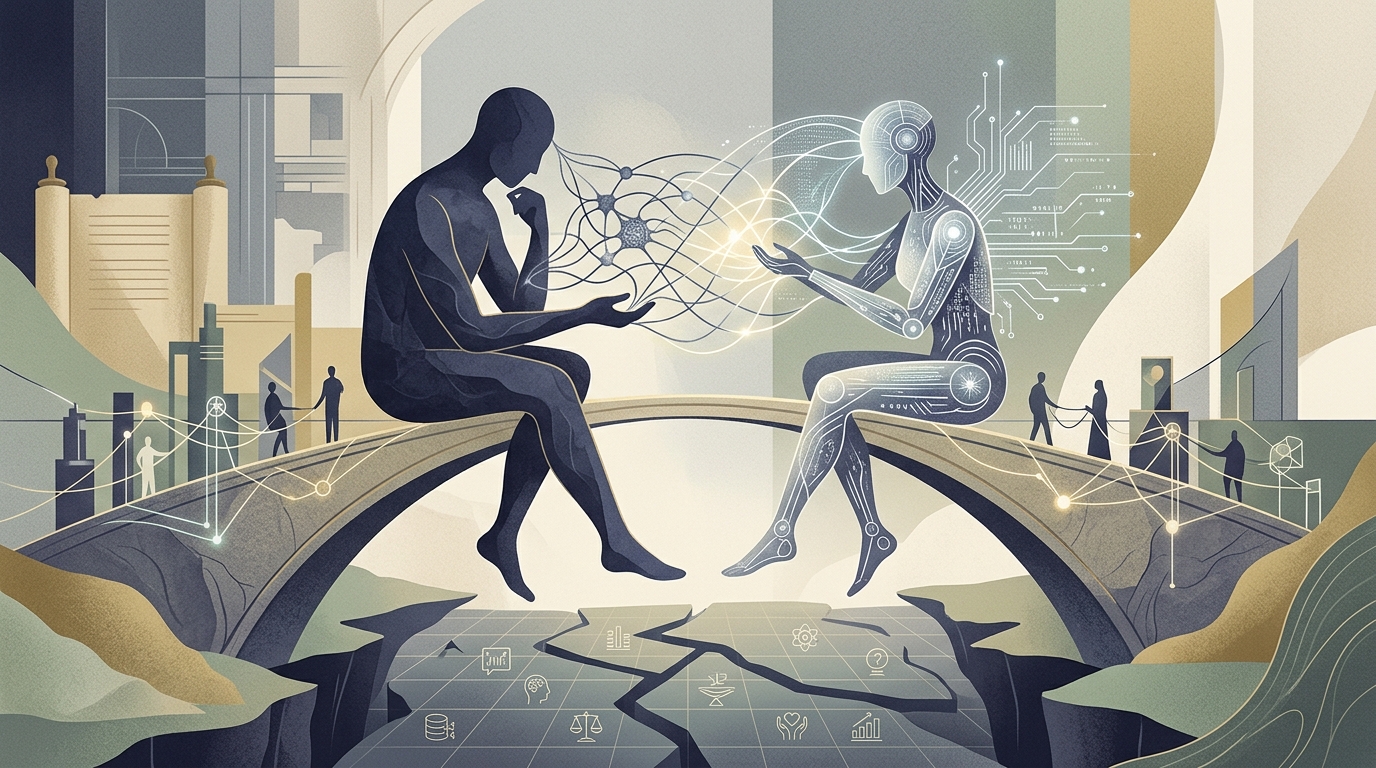
The conclusion is not that we should reject technology, but that we must use it with extreme caution. AI can be exceptionally useful for summarizing voluminous documents, identifying typos in contracts, or organizing legal research. However, the final decision and the overarching strategy must always belong to a qualified legal professional.
Bar associations worldwide are now issuing strict guidelines for the ethical use of AI. The advice to citizens remains clear: use AI for information, but never for representation. Justice is a deeply human process that requires critical thinking, moral integrity, and, above all, individual accountability—qualities that no machine can yet fully simulate.