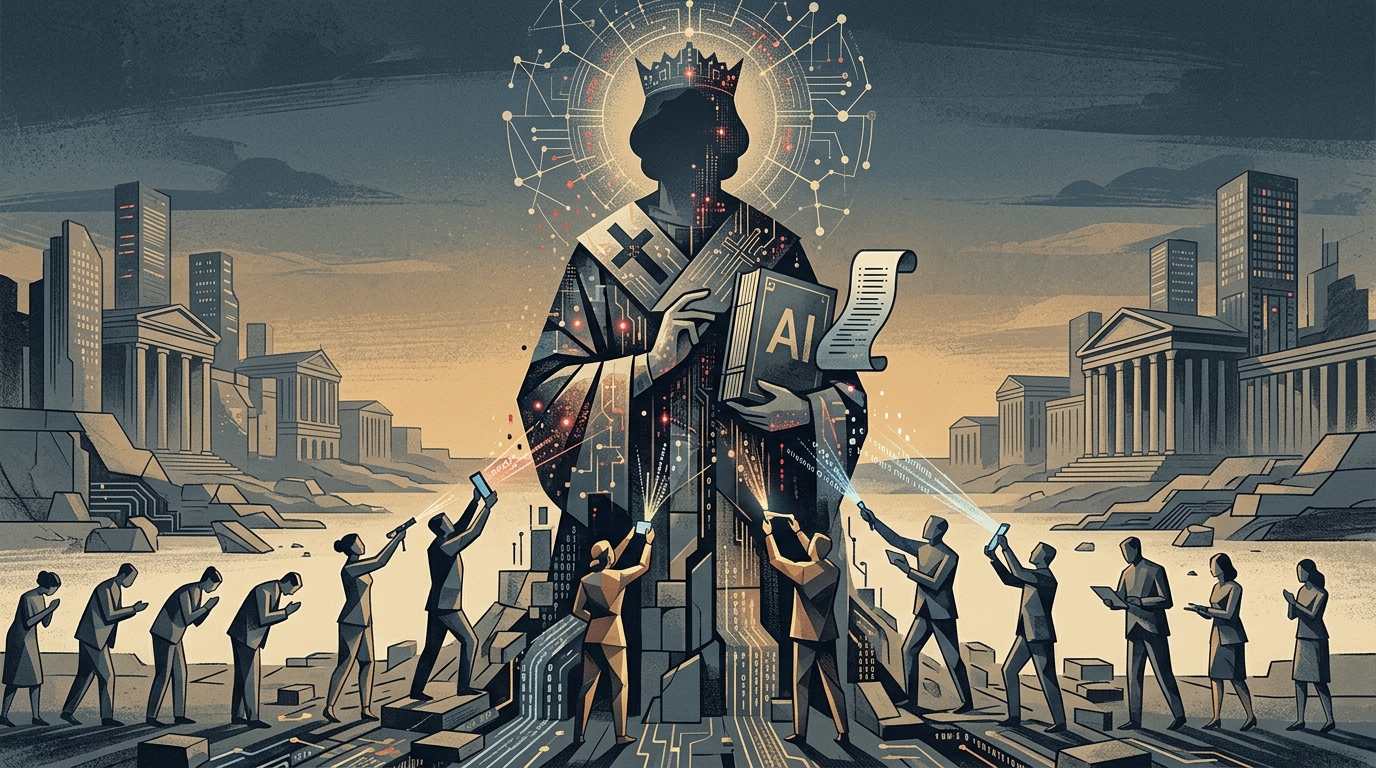
In the modern digital age, the language we use to describe technology is not merely a matter of aesthetics or convenience; it is a tool that shapes our perception of reality and, most importantly, accountability. A recent, weight analysis by the Brookings Institution brings to light a frequently overlooked danger: the anthropomorphism of Artificial Intelligence (AI). When we use words like "thinks," "understands," "decides," or the ubiquitous "hallucinates," we create an illusion of subjectivity that can function as a legal and ethical shield for the creators of these systems.
The Strategy of Metaphor
Anthropomorphism is not a new phenomenon. Since the era of ELIZA, the first chatbot of the 1960s, humans have had a tendency to attribute human characteristics to computational programs. However, in the era of Large Language Models (LLMs), this tendency has been weaponized. The Brookings report argues that the use of anthropomorphic terms creates an "accountability gap." If an AI system "makes a mistake" because it was "confused," responsibility is subconsciously shifted from the developer or the corporation to the software itself.
This linguistic slippage is particularly evident in the term "hallucination." In psychiatry, a hallucination is an internal experience of a subject. In AI, what we call a hallucination is actually a statistical failure or a probabilistic output that does not correspond to reality. By calling it a "hallucination," we imbue the system with a form of "personality" that justifies the error as something organic and inevitable, rather than a design flaw that should have been corrected.
The Legal Void and Corporate Liability
The problem extends deep into the legal system. Civil liability is based on the concepts of control and foreseeability. If corporations convince the public and legislators that AI is an "autonomous entity" that "learns" on its own, it becomes much harder to assign blame for defamation, misinformation, or biased decisions. The report points out that the use of pronouns like "he" or "she" (or even the "I" used by chatbots) reinforces the idea that there is a "ghost in the machine."
- Attributing intent to algorithms reduces the pressure for rigorous safety audits.
- Legal definitions of "negligence" blur when the product is presented as having its own will.
- The psychological bond users form with "human-like" AI leads to over-trust and diminished critical thinking.
In the European Union, the AI Act attempts to set boundaries, but language remains a thorny issue. If a hiring algorithm rejects a candidate due to bias, it is easier for a company to claim that "the AI reached this conclusion" than to admit the model was trained on flawed data by humans. This displacement of agency is a strategic boon for Silicon Valley, allowing for rapid deployment without the traditional burdens of product liability.
Toward Technical Precision
The solution, according to researchers, is a return to more precise, technical terminology. Instead of "learning," we should speak of "parameter optimization." Instead of "understanding," of "statistical correlation." Demystifying AI is essential to maintaining human agency. Technology is not a partner with a personality, but a large-scale data processing tool.
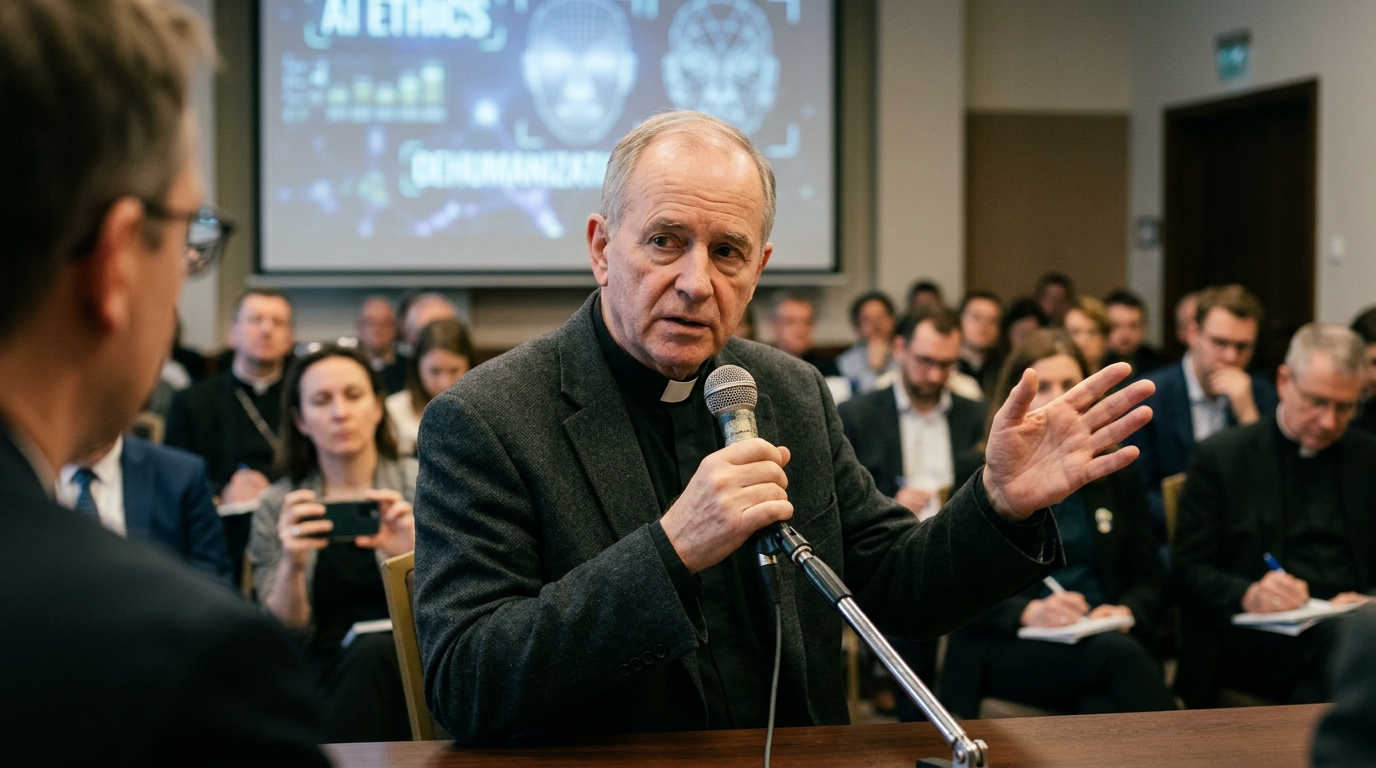
"Language does not just describe the world of technology, it constructs it. When we humanize algorithms, we dehumanize the victims of their errors."
In conclusion, the Brookings report serves as a wake-up call. The need for regulatory frameworks that ignore the "wrapping" of anthropomorphism and focus on mathematical and corporate realities is more urgent than ever. Responsibility must remain where it belongs: with the humans who design, fund, and deploy these systems. We must stop treating software as a sentient peer and start treating it as the sophisticated, yet inanimate, infrastructure that it is.