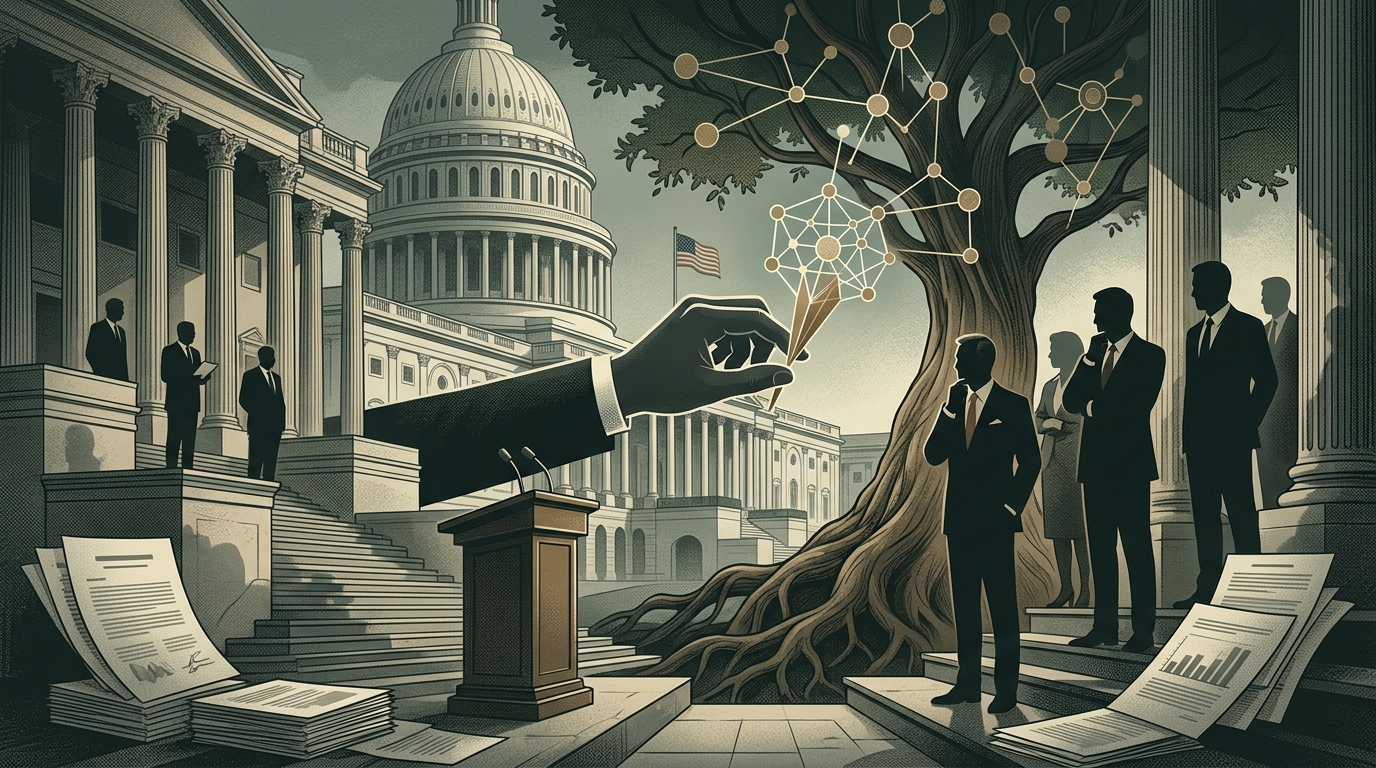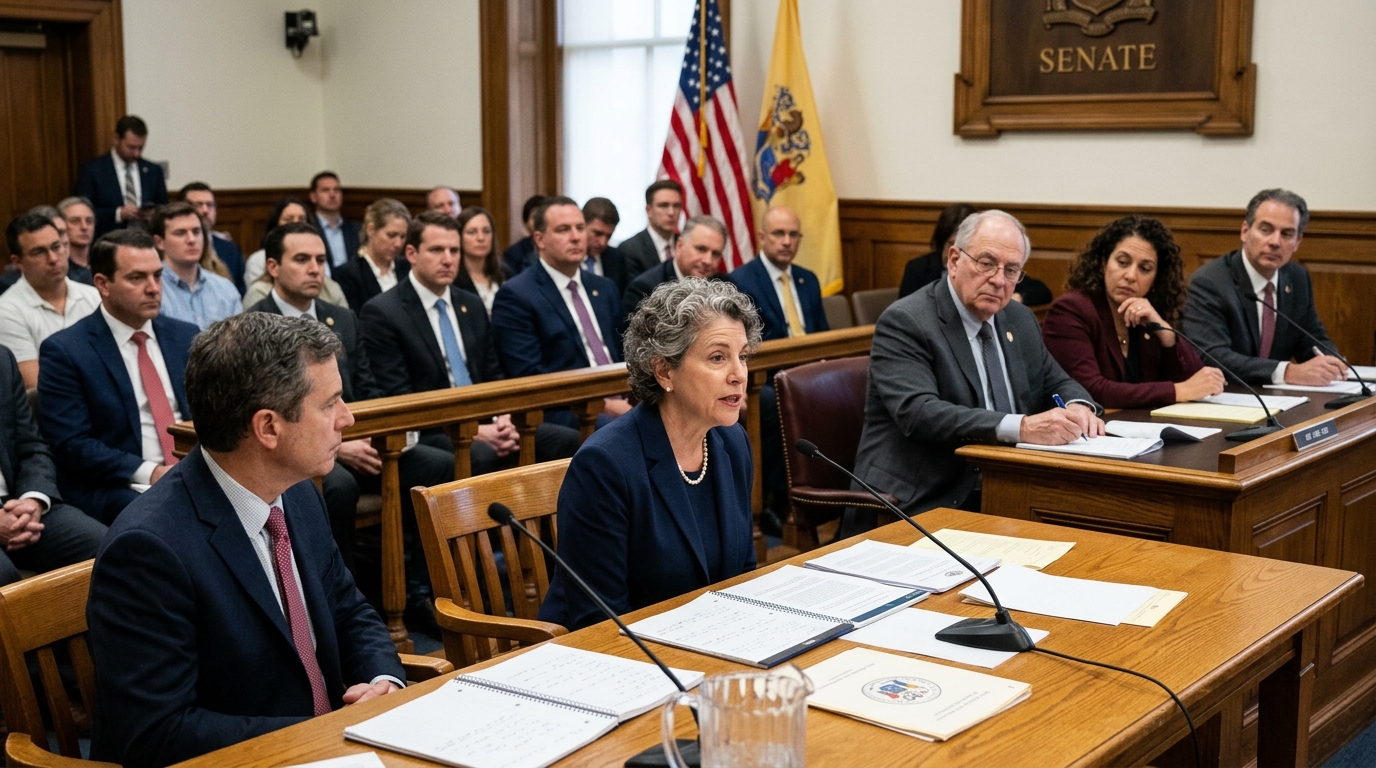
In mid-2026, the image of the United States federal government regarding Artificial Intelligence (AI) resembles a giant trying to learn to dance: the movements are visible, the intention is clear, but the rhythm often lags behind the music played by Silicon Valley. According to recent reports, while the use of AI in government agencies has spiked, the road toward a fully "smart" governance remains littered with obstacles that are not just technical, but deeply structural.
The Rise of Use Cases
The progress made since 2023, following the landmark Executive Order on Safe, Secure, and Trustworthy AI, is noteworthy. Today, almost every federal agency—from the Department of Agriculture to NASA—has integrated some form of machine learning into its operations. At the Internal Revenue Service (IRS), AI is now used to identify tax evasion in complex corporate structures that previously required thousands of man-hours of analysis. In healthcare, the Department of Veterans Affairs (VA) utilizes predictive models to identify patients at risk of suicide or chronic kidney failure, saving lives through early intervention.
However, this "digital bloom" is often fragmented. Most applications are confined to pilot projects and rarely evolve into integrated strategies that permeate the entire spectrum of government function. The lack of data homogeneity across different agencies remains the biggest thorn, making interoperability a distant dream.
The Weight of Technical Debt
The greatest barrier to fully leveraging AI is not a lack of software, but so-called "technical debt" (legacy systems). Much of the U.S. government's critical infrastructure still runs on programming languages like COBOL, dating back to the 1970s. Trying to "plug" modern Generative AI into such ancient systems is like trying to install a Tesla engine into a 19th-century carriage.
Furthermore, the government faces a talent crisis. Despite recruitment efforts through programs like the AI Talent Surge, the public sector is unable to compete with the salaries and benefits of tech giants. Top AI researchers prefer working at OpenAI or Anthropic rather than a government agency where bureaucracy can delay the approval of a new tool for months or even years.
Ethics, Transparency, and Policy Challenges
As the government adopts AI, concerns about bias and lack of transparency are intensifying. The use of algorithms in law enforcement or in evaluating asylum applications has sparked fierce backlash from civil rights organizations. The challenge for the administration is to establish rules ensuring that AI does not automate injustice.
On a geopolitical level, the pressure is even higher. The competition with China for AI supremacy means the U.S. government cannot afford to fall behind. AI is no longer just an efficiency tool but a critical component of national power. If the federal machine does not modernize quickly, it risks losing control over the technological developments that its own country pioneered.
Conclusions for the Future
The road ahead is long. To bridge the gap, a radical overhaul of procurement processes is required, along with billions in investment to modernize databases and, most importantly, a cultural shift within the public sector. Artificial Intelligence can transform the government from a cumbersome mechanism into a service that anticipates citizen needs, but this requires more than just algorithms: it requires political will and the courage to break with the past.