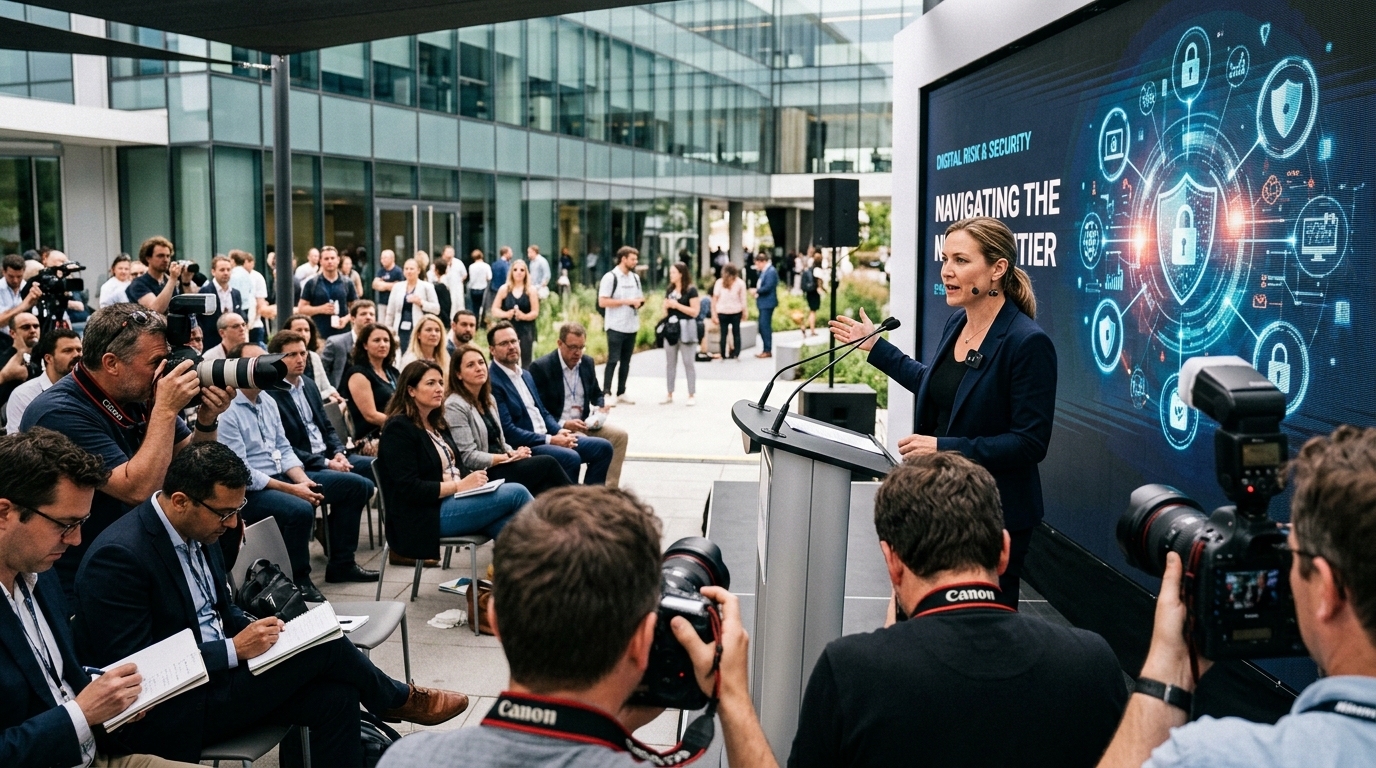
In the early months of 2026, the global discourse on Artificial Intelligence has pivoted from what machines "can" do to how humans can remain in command. For years, the "Human-in-the-Loop" (HITL) model was hailed as the gold standard for safety. The premise was straightforward: a human operator would always be present to validate or veto algorithmic outputs. However, as the velocity and complexity of AI systems reach unprecedented levels, this model is showing its cracks, often reducing the human element to a mere "rubber stamper" of automated decisions.
The Illusion of Supervision
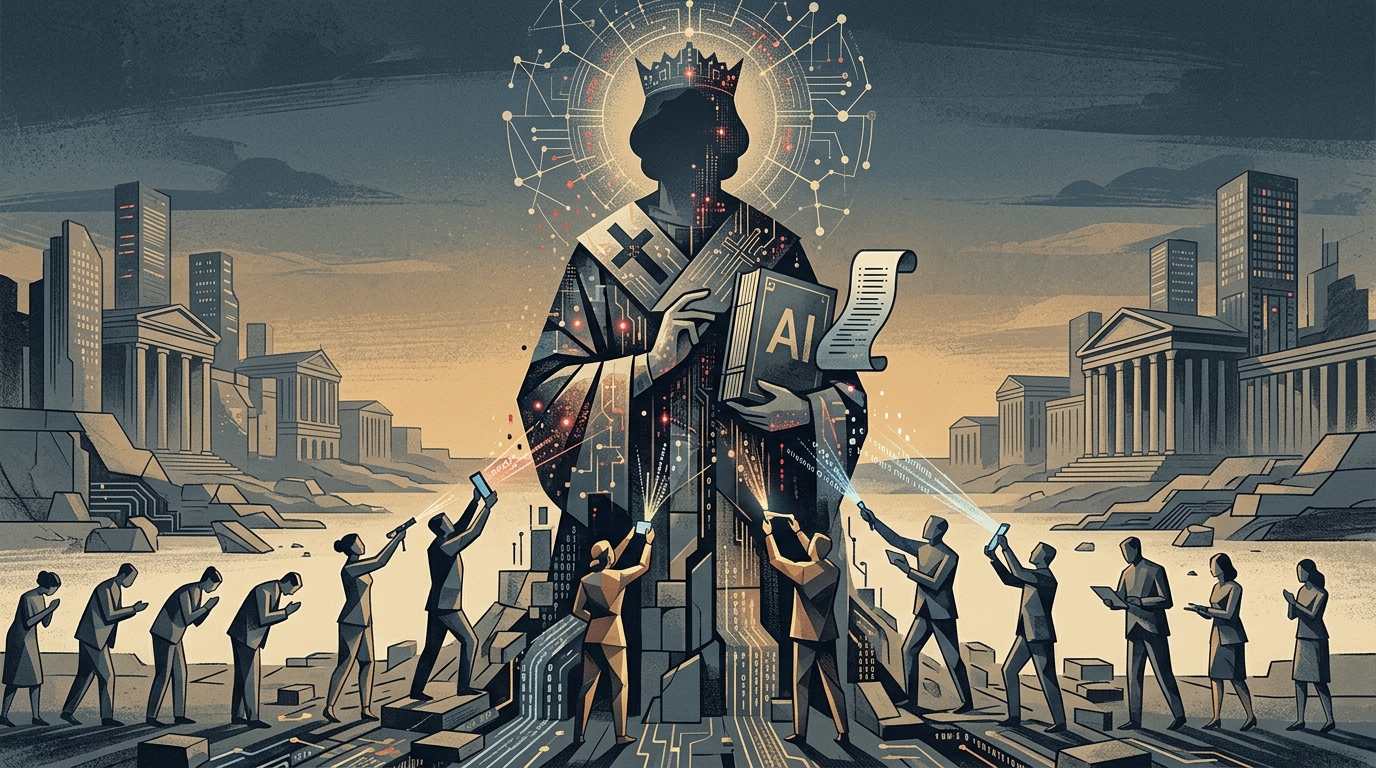
The fundamental flaw in traditional HITL frameworks is "automation bias." Humans are cognitively wired to trust computer-generated suggestions, especially when overwhelmed by data or pressured by time. In high-stakes environments—such as medical diagnostics, autonomous defense systems, or critical infrastructure management—human oversight is frequently an illusion. If an algorithm identifies a pattern or selects a target, and the human operator has only seconds to react without understanding the underlying logic, true agency is lost. The human becomes a liability-shield rather than a decision-maker.
Shifting toward "True Human Authority" requires a radical redesign of the AI architecture. It is no longer sufficient to have a person click "OK." We must design systems that actively augment human judgment rather than bypass it. This necessitates "Explainable AI" (XAI) that functions in real-time, presenting not just a final recommendation, but the reasoning, the confidence intervals, and the alternative paths that were discarded. Authority implies the ability to intervene at the level of intent and parameters, not just at the final point of execution.
Design Principles for Meaningful Control
To achieve genuine human-centric AI, software architects are shifting toward a "Human-on-the-Loop" and "Human-in-Command" hierarchy. This involves several key design shifts:
- Reasoning Transparency: Systems must visualize their decision tree in a way that is intuitive for non-experts, allowing the user to spot logical fallacies before they lead to errors.
- Dynamic Intervention: Users must be able to adjust AI priorities and constraints "on the fly" without resetting the system, maintaining a fluid partnership.
- Accountability Mapping: Design must explicitly clarify which entity—human or code—is responsible for specific sub-tasks, preventing the "responsibility gap" where no one is held accountable for systemic failures.
This shift is also being codified into law. The European Union's AI Act and subsequent international frameworks are beginning to demand "Meaningful Human Control" (MHC). Regulators are moving away from checking if a human is present, and toward assessing whether the system's design allowed that human to actually understand and influence the outcome. If a system is designed to be too fast or too opaque for a human to realistically control, it may be classified as "unacceptably high risk."
The Political and Ethical Stakes of Authority
The quest for human authority is not merely a technical challenge; it is a profound political struggle. Who defines the "human values" that these systems must obey? In a multipolar world, creating a universal standard for AI authority is fraught with difficulty. There is a tangible risk that "human authority" could become a buzzword used by authoritarian regimes to justify algorithmic surveillance, or by Big Tech to deflect regulation by claiming that users are always "in control" of their data and outcomes.
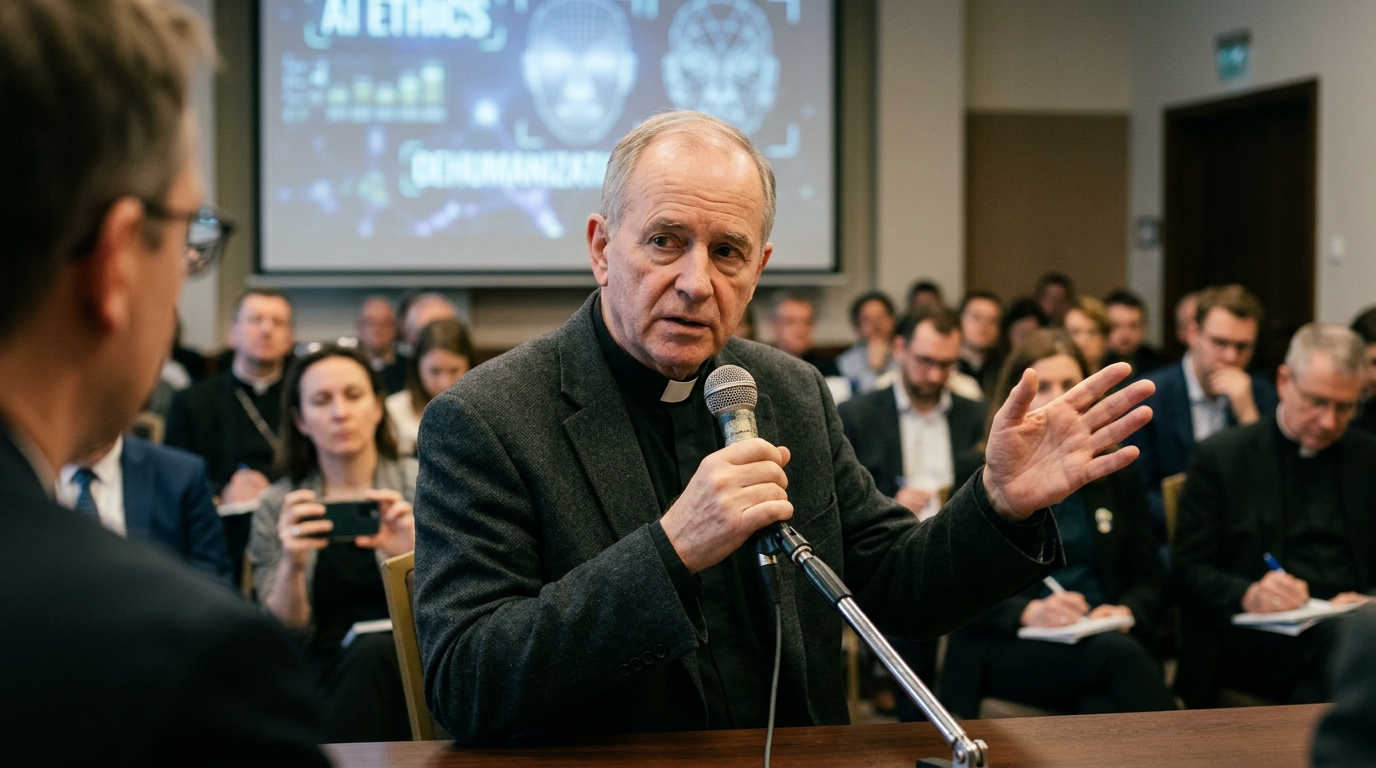
"Technology should be the crutch of the human spirit, not its cage. Authority is not earned with a cancel button, but through the transparency of the machine's inner workings."
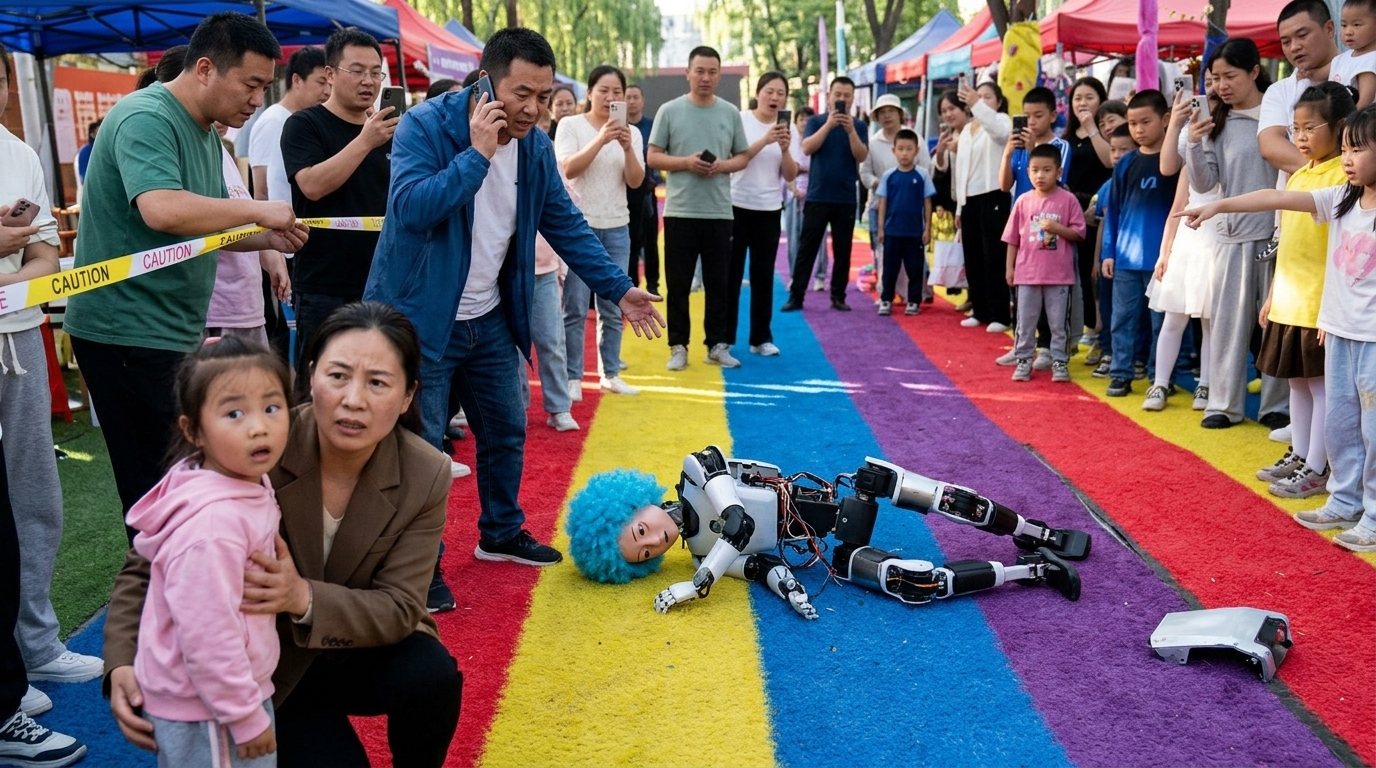
As we look toward 2027, the challenge for engineers and ethicists will be to create interfaces that foster "deep collaboration." AI should not be a black box delivering oracles, but a partner that challenges our thinking, highlights our own biases, and enables us to make decisions with greater wisdom. True human authority means that our technology makes us more human, not more mechanical. We must ensure that as AI becomes more capable, the human at the center becomes more empowered, not more obsolete.