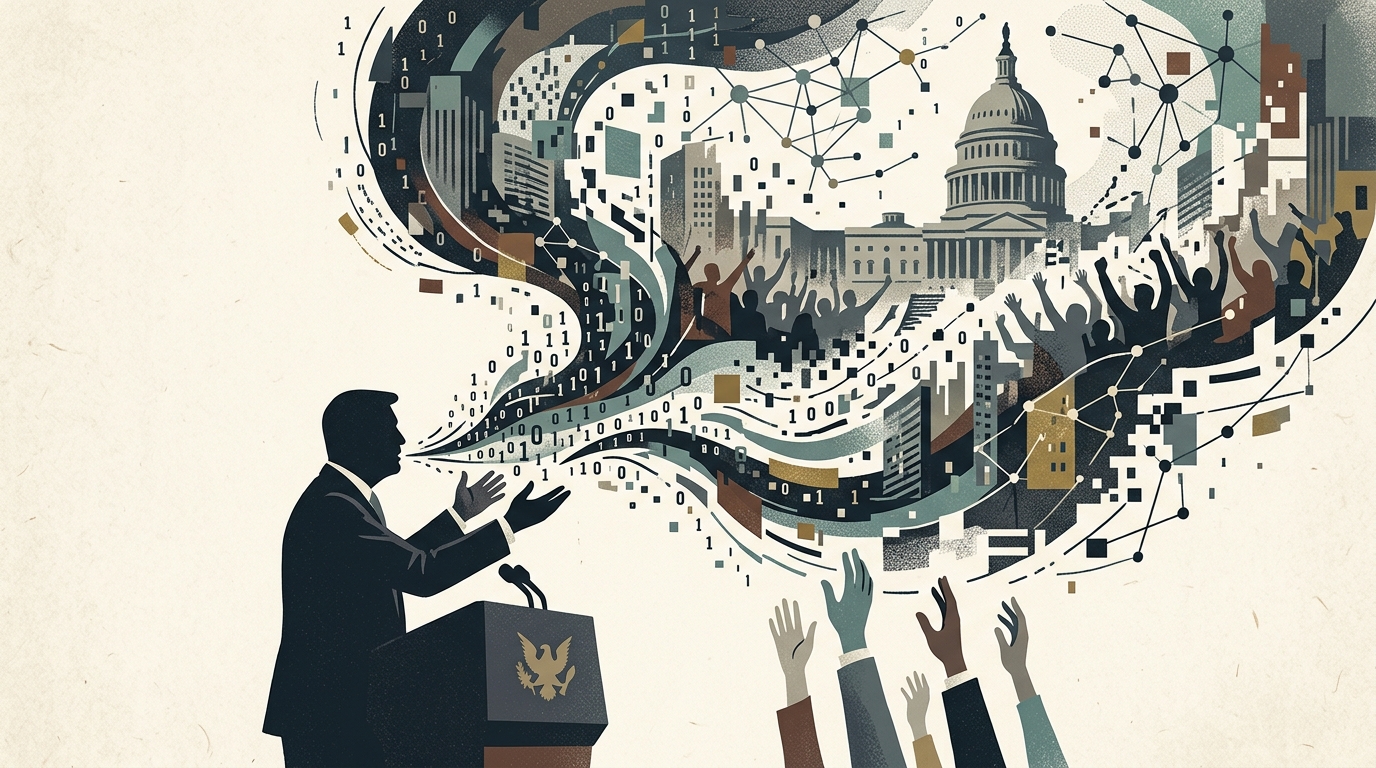
In the quiet coastal community of San Diego, a gathering of the Del Sol Lions Club wouldn't normally be a matter of international journalistic interest. However, the subject of their recent presentation—AI-driven fraud targeting seniors—is the tip of the iceberg of a global ethical and social crisis. As we move through 2026, artificial intelligence is no longer a future promise but a tool that, in the hands of malicious actors, is being transformed into a precision weapon against the most vulnerable members of our society.
The Anatomy of the Digital Trap
The traditional "grandparent scam" has evolved into something terrifyingly convincing. Thanks to voice cloning, criminals can now replicate the voice of a loved one using a sample of just a few seconds harvested from social media. For a senior, hearing the trembling voice of their grandson asking for help after an alleged accident doesn't just cause concern; it paralyzes critical thinking. AI technology has eliminated the "classic" red flags of fraud, such as foreign accents or robotic tones, making the distinction between truth and falsehood nearly impossible for the untrained ear.
The problem is exacerbated by the use of deepfakes in video calls. Although this technology once required immense computing power, it is now accessible through simple applications. Seniors, who often maintain a more "analog" trust in what they see and hear, find themselves unprepared for a reality where audiovisual evidence is no longer a guarantee of truth.
The Psychology of Victimization
Why seniors? The answer lies not only in a perceived lack of technological literacy. Criminals exploit the isolation often experienced in old age, as well as the innate politeness of a generation raised with different codes of social conduct. Furthermore, seniors often possess a lifetime of savings, making them "high-value targets" for cybercrime networks.
- Social Engineering: Scammers use information from Facebook or Instagram to build scenarios that seem perfectly authentic.
- Artificial Urgency: Creating a state of panic prevents the victim from verifying the story.
- Cognitive Fatigue: The complexity of modern digital systems makes deception via technical jargon easier to execute.
The Ethical Responsibility of Tech Giants
A critical question arises: Who bears the responsibility? While local organizations like the Lions Club do excellent work in raising awareness, the root of the problem lies in the unregulated distribution of Generative AI tools. The companies developing these models have an ethical obligation to integrate digital watermarking and safety protocols that prevent voice cloning without explicit consent.
"We cannot ask eighty-year-olds to become cybersecurity experts when the tech companies themselves refuse to fortify their products," notes a digital rights analyst.
International legislation seems to be lagging. Despite efforts by the European Union with the AI Act, enforcing rules on a global scale remains a challenge. Protecting the elderly is not just a policing issue; it is a test for our civilization: will we allow technological progress to sacrifice the safety of our parents and grandparents on the altar of innovation?
Practical Protective Measures
Until technology becomes self-regulating, defense remains a personal and family matter. The use of a "safe word" among family members, to be used only in emergencies, is a simple but effective solution. Additionally, encouraging seniors to hang up and call their relative back on a known number is vital. Education must be continuous and should not treat seniors as passive victims, but as active users who need the right tools to navigate the digital ocean.