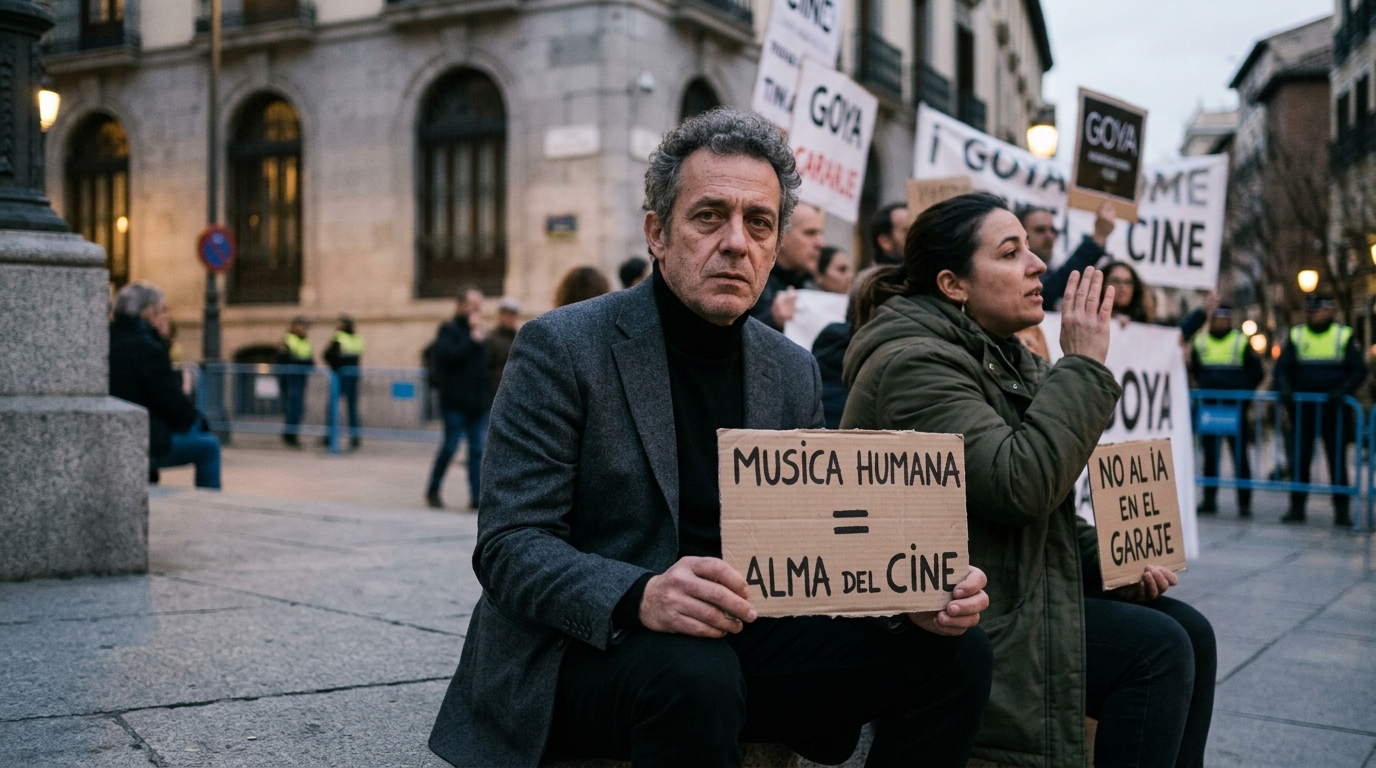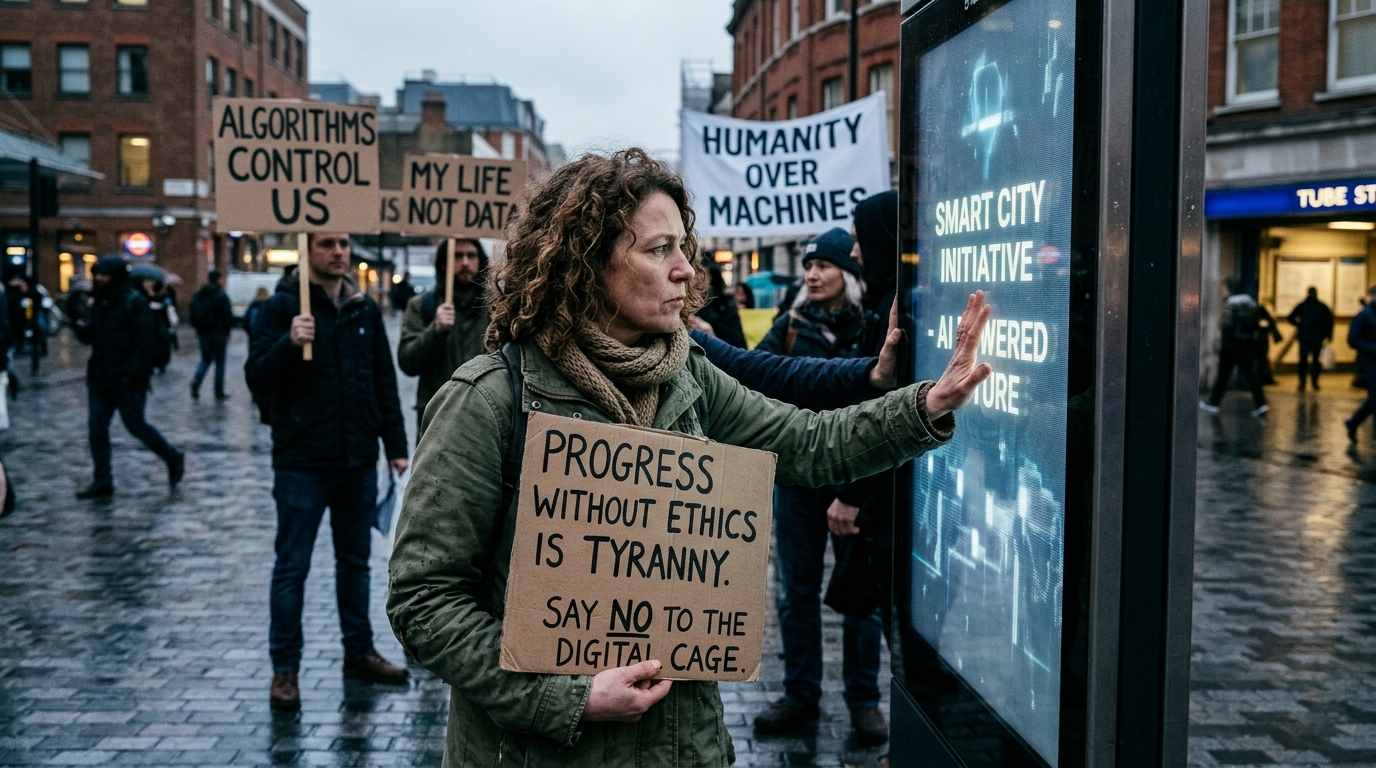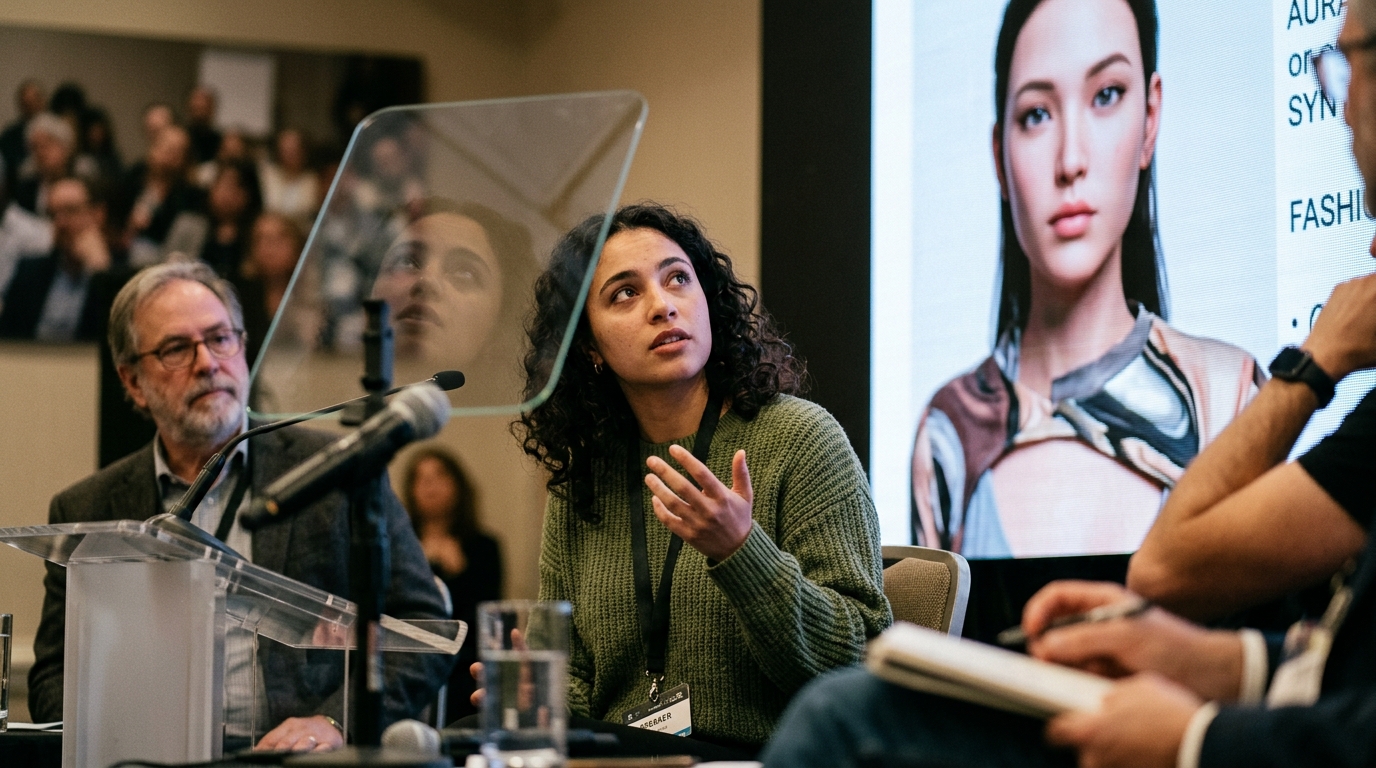
In the dawn of 2026, the social media landscape has transformed into a field where the boundaries between reality and digital construction are increasingly blurred. The rise of AI influencers—digital entities created by advanced generative AI algorithms—is no longer an experimental phenomenon but a dominant trend threatening to overturn the foundations of the fashion industry. Recent critiques from international outlets like Marie Claire highlight a dark side: a world described as "scary, unreliable, and rather unethical."
Manufactured Perfection and the Psychological Toll
The primary argument against AI influencers focuses on the promotion of unattainable beauty standards. While human models have been accused for decades of promoting unrealistic images through Photoshop, AI influencers take this issue to an entirely new level. These entities, such as Aitana Lopez or Lil Miquela, are engineered with mathematical precision to be "perfect." They have no pores, no wrinkles, and no bad days. Constant exposure of young people to these digital idols creates a new form of dysmorphia, where comparison is no longer made with another human being but with an optimization algorithm.
The ethical dimension extends to consumer psychology. When an influencer recommends a face cream or a dietary supplement, there is an implicit promise of efficacy. However, in the case of AI models, this promise is inherently false. A digital being cannot test a product, has no skin to absorb a cream, and no body to feel the effects of a garment. It is pure deception disguised as marketing, undermining the trust essential for market functionality.
The Economic Threat and the Alienation of Labor
Beyond the ethical aspect, the rise of virtual models poses an existential threat to industry professionals. Photographers, makeup artists, stylists, and, of course, the models themselves see their jobs disappearing. For brands, using an AI influencer is a financially attractive solution: there are no travel expenses, no luxury hotel stays, and no constraints of time or human fatigue. An AI influencer can be "photographed" simultaneously in Paris, Tokyo, and New York, wearing different collections, at the click of a button.
This automation of creativity leads to a homogenization of fashion. Fashion has historically been an expression of the human experience, imperfections, and culture. Replacing the human element with digital replicas strips the soul from the creative process. Furthermore, serious issues of cultural appropriation arise. We have seen cases where white creators build AI models of different ethnicities to "capitalize" on multiculturalism without providing work or representation to real people from those communities.
The Need for Regulation and Transparency
The European Union, through the AI Act, has begun laying the groundwork for regulating this landscape. Mandatory labeling of AI-generated content is a first step, but perhaps not enough. Transparency is not just about whether an image is fake, but also about how data is used to create these personas. Consumers must be educated to recognize the "digital mirage" and demand authenticity.
In conclusion, fashion stands at a crossroads. Technology offers tools of unlimited creativity, but its misuse can lead to a society of deep alienation. The challenge for 2026 and beyond is to find a balance where artificial intelligence serves as a human-assisting tool rather than a replacement, maintaining the ethical integrity and human connection that make fashion an art form.