In the heart of Marin County, where the lush hills of Mill Valley meet the technological elite of Silicon Valley, a real estate listing is sending shockwaves through traditional notions of wealth and investment. A homeowner, whose estate is valued at $5.3 million, has decided not to seek the usual price in dollars, but something far more "rare" in the current economic climate: equity in Anthropic, the AI company considered the primary rival to OpenAI.
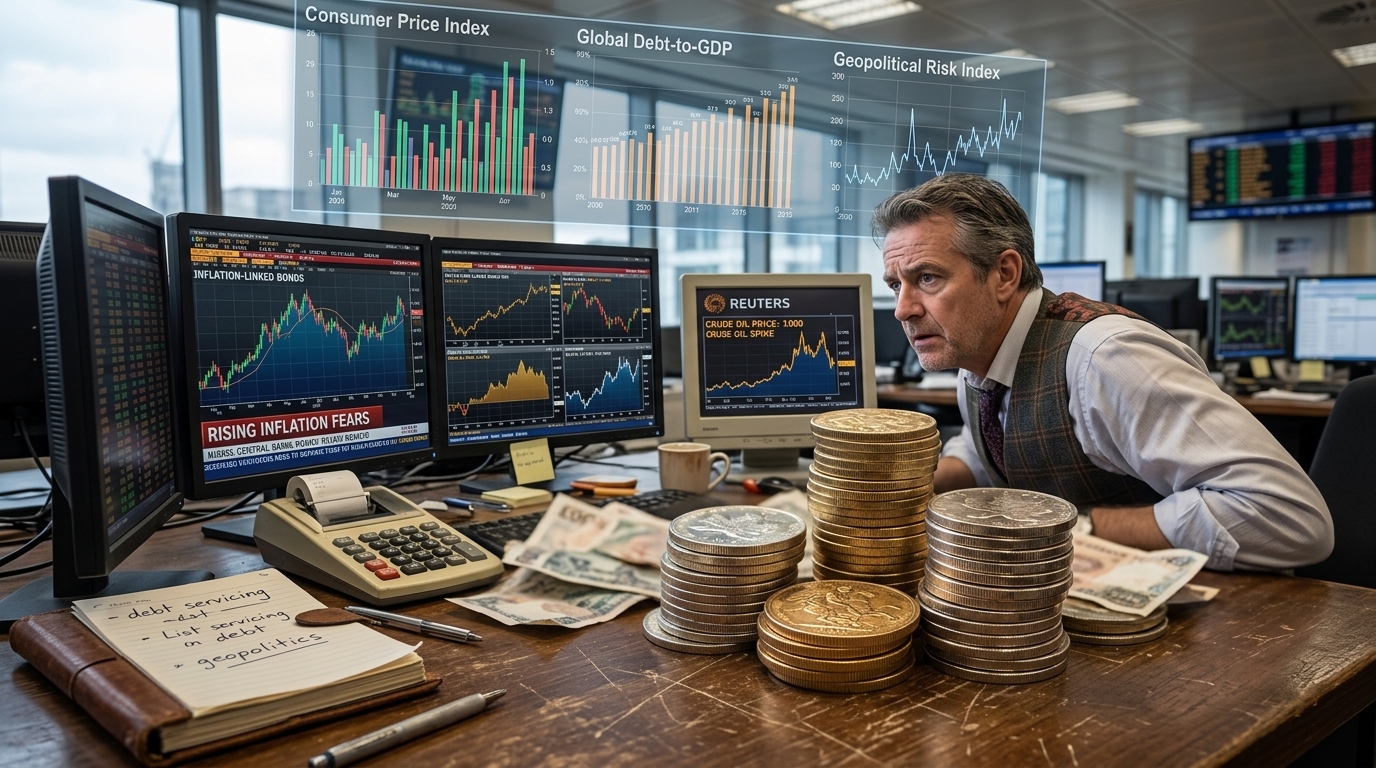
This move is not merely a marketing gimmick. It reflects a deeper structural shift in the global economy of 2026, where access to private shares of top-tier AI companies is now viewed as a safer and more lucrative investment than land itself. In an era where inflation and interest rate fluctuations have made real estate a "slow" investment, the promise of exponential growth offered by Artificial Intelligence looks like the modern-day El Dorado.
The Anthropic Factor and the Value of "Ethical" AI
But why Anthropic specifically? Founded by former OpenAI executives, the company has positioned itself in the market as the "safe" and "ethical" alternative. With its Claude model dominating enterprise applications due to its "Constitutional AI" framework, Anthropic has attracted billions from giants like Amazon and Google. For the Mill Valley homeowner, holding shares in such an entity before its Initial Public Offering (IPO) is equivalent to owning gold in the early 19th century.
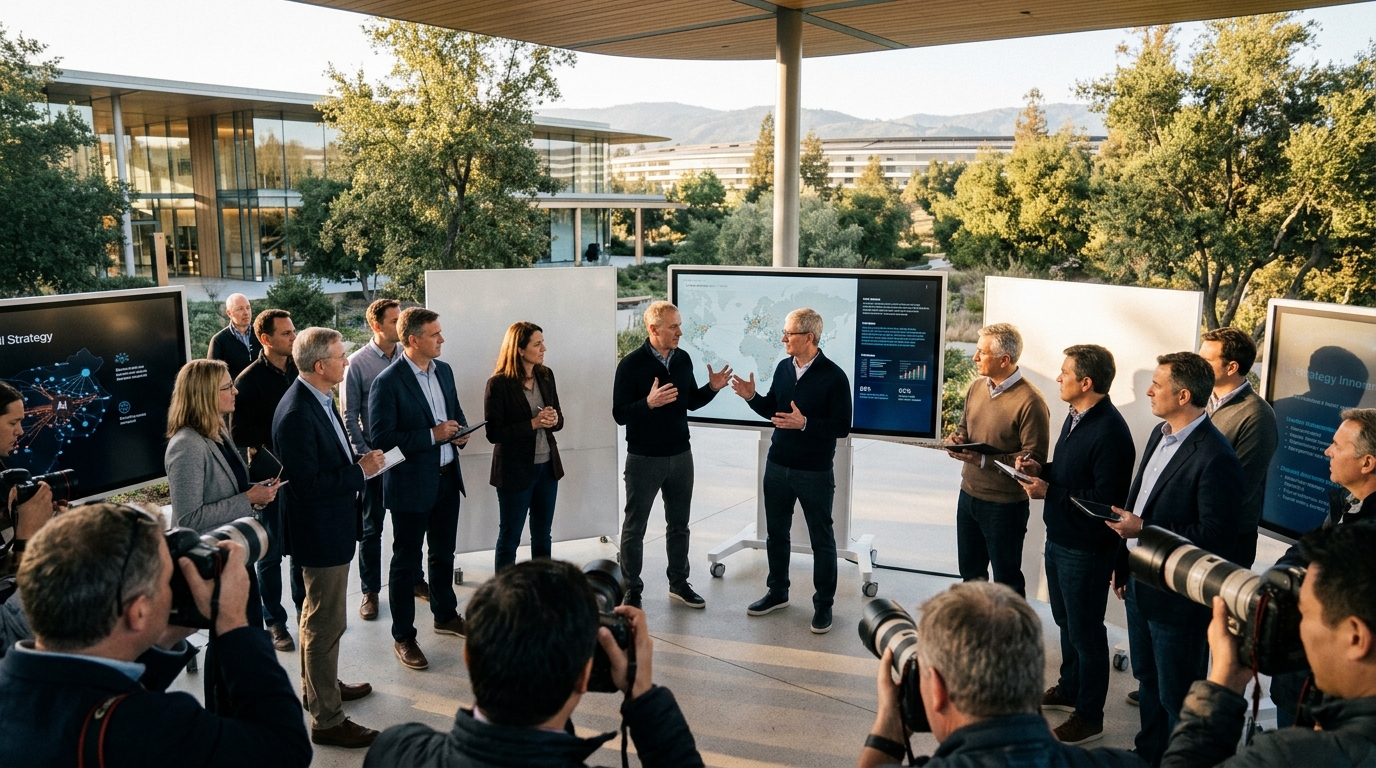
Anthropic is not just a software company; it is one of the few organizations controlling the foundations of the next industrial revolution. As Large Language Models (LLMs) become the operating system of the global economy, the value of the companies developing them is skyrocketing to levels that the traditional real estate market simply cannot match. The Mill Valley estate may offer shelter and prestige, but Anthropic shares offer a stake in the control of the future.
The Financialization of Real Estate
This transaction highlights a new trend: the "securitization" of physical assets. In the past, investors sold stocks to buy real estate, seeking stability. Today, we see the reverse. Real estate is being used as currency to enter closed, high-tech investment vehicles. This creates an interesting paradox: physical ownership is losing its luster in the face of digital potential.
- The lack of liquidity in private AI markets is driving creative swaps.
- High-value property owners fear the devaluation of traditional assets.
- Anthropic represents a "defensive" play in the AI sector due to its safety focus.
However, the legal complexity of such a deal is immense. Anthropic's shares are private and subject to strict transfer restrictions. Swapping a land title for digital rights in a pre-IPO company requires an army of lawyers and a deep understanding of tax implications. Nevertheless, the fact that someone is willing to risk their roof for a seat at the Anthropic table speaks volumes about current market psychology.
Risks and the AI Bubble
Not everyone agrees that this is a wise move. Many analysts warn that we are at the peak of an "AI bubble." If Anthropic fails to meet expectations or if regulatory pressure stifles the growth of its models, the Mill Valley homeowner could find themselves homeless and with a portfolio of zero value. History is full of cases of people who swapped stable assets for "stocks of the future," only to see that future vanish.
"I'm not just buying shares; I'm buying a piece of the intelligence that will run the world in ten years," the owner reportedly stated.
In conclusion, the Mill Valley case is a symptom of our times. It is the ultimate expression of institutional FOMO (Fear Of Missing Out). As AI continues to reshape the concept of value, we will see more such "unorthodox" transactions. Land, once the sole source of wealth, is yielding its place to code and data. The question remains: in a world governed by algorithms, where will the humans live?