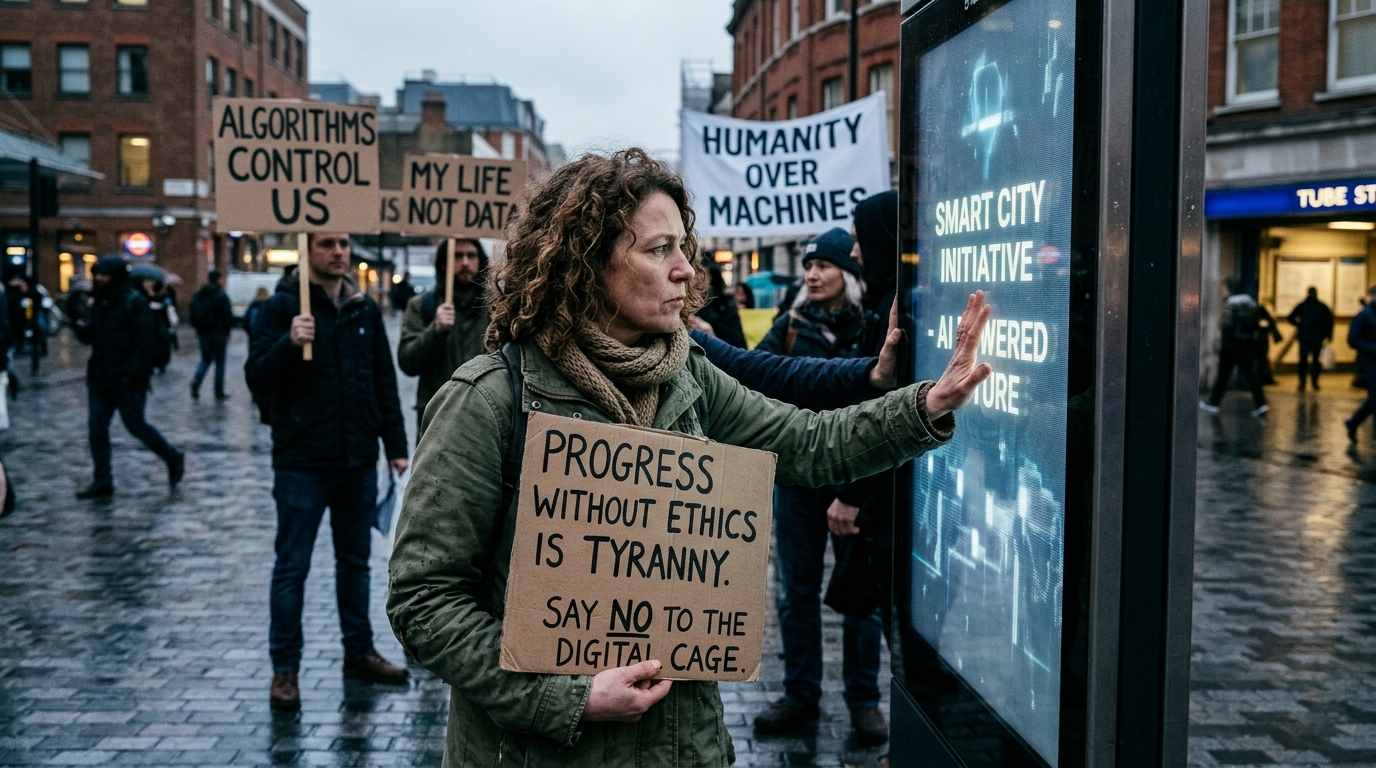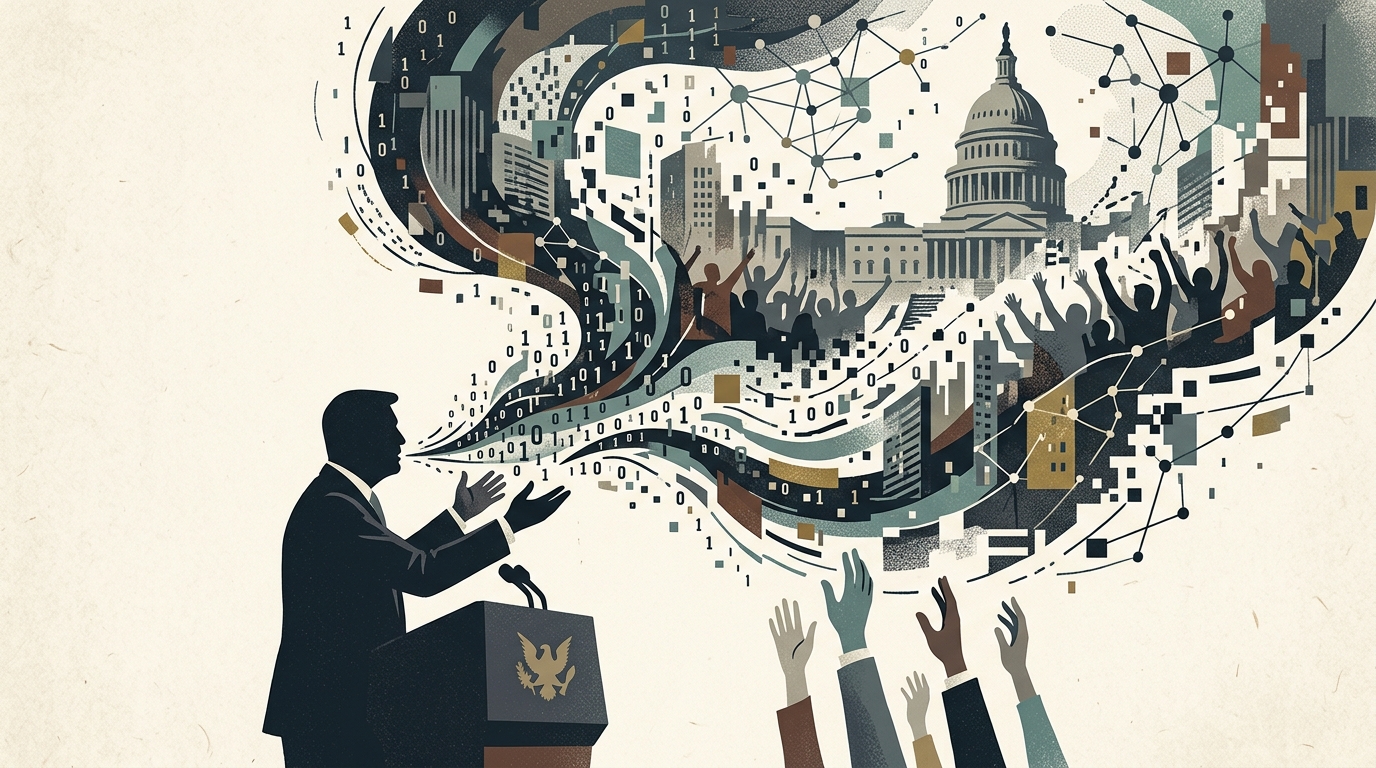
The meteoric rise of Artificial Intelligence (AI) has shifted the conversation from computer science laboratories to the boardrooms of the world's largest industries. Particularly in the automotive sector, as analysts from The Detroit Bureau point out, AI ethics is no longer an abstract philosophical pursuit but a critical issue of safety, liability, and social acceptance. As we approach mid-2026, the pressure to establish a 'moral code' for machines has reached a breaking point.
The Dilemma of Autonomous Decisions
The central issue occupying experts is split-second decision-making by autonomous systems. In the automotive industry, the classic 'trolley problem' has become a tangible reality. How should a car be programmed when forced to choose between two unavoidable accidents? Experts emphasize that the answer cannot be left solely to Silicon Valley programmers. It requires a multidisciplinary approach involving ethicists, legal scholars, and representatives of civil society.
Algorithmic transparency is the second major front. The 'black boxes' of deep learning often make it impossible to trace the 'why' behind a decision. In the event of an accident, the lack of explainability creates a legal vacuum that alarms insurance companies and consumers alike. Ethical AI means AI that can explain itself, especially when human lives are at stake.
Bias and Social Justice
Beyond the roads, AI ethics touches the very fabric of social justice. Algorithms are trained on data that often reflect the biases of the past. If an AI system is used for loan assessments or hiring within the automotive industry and relies on biased data, it simply automates and magnifies existing discrimination. Experts highlight that 'ethics by design' is the only solution: integrating anti-discrimination safeguards from the very first stage of code development.
- Integrating ethical parameters into the core of the algorithm.
- Continuous auditing of systems by independent bodies.
- Inclusivity in training datasets.
- Legal establishment of manufacturer liability.
The Regulatory Landscape and the Future
The European Union, with the AI Act, has laid the groundwork, but global harmonization remains elusive. The US, traditionally more liberal regarding innovation, is beginning to adopt stricter standards as public opinion demands privacy and safety protections. Ethics in AI does not mean a brake on development; on the contrary, it is the necessary foundation for building trust. Without trust, the mass adoption of AI will face insurmountable obstacles.
"Technology without ethics is a compass without a needle. It may take us somewhere fast, but we won't know if that 'somewhere' is a cliff."
In conclusion, the discussion initiated by The Detroit Bureau highlights that AI is not just a productivity tool, but a new social actor. The responsibility of tech companies and automakers is immense. As machines become smarter, we must become wiser in how we guide them, ensuring that technological progress does not come at the expense of human values.