In the modern digital arena, the concept of labor is undergoing a fundamental mutation. It is no longer just about producing an output, but about producing data. Recent trends, highlighted by global analysts and reports from Fortune, show that major corporations are intensifying the monitoring of employee activity on corporate devices, not with the outdated goal of policing laziness, but with a much more ambitious and potentially unsettling purpose: harvesting the raw material needed to train Artificial Intelligence (AI) systems.
From 'Bossware' to Skill Mining
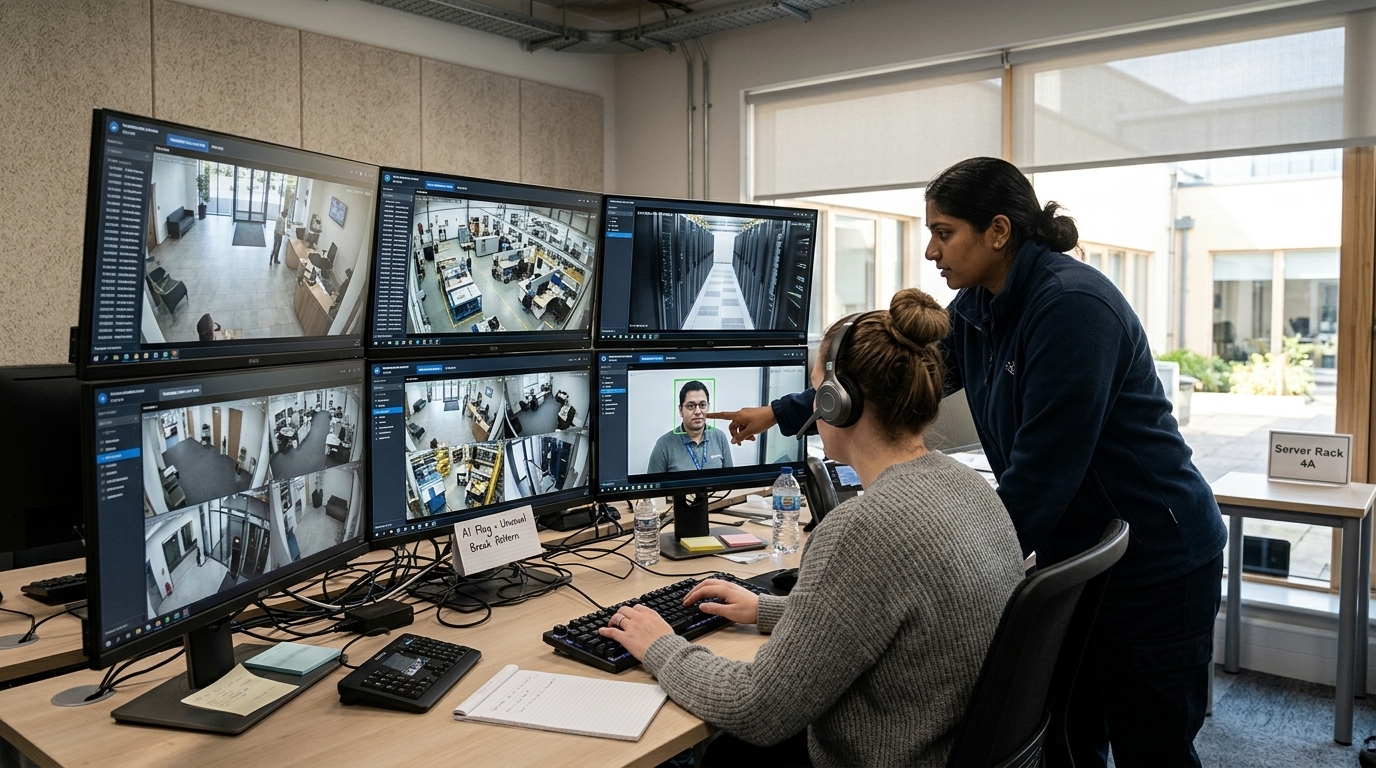
For decades, employee monitoring—often pejoratively labeled 'bossware'—was limited to tracking login hours, keystrokes, or screen captures to ensure productivity. Today, technology has evolved into what experts call 'Task Mining.' These systems don't just record if someone is working, but how they think, how they solve problems, and what subtle decisions they make throughout the day.
- Real-time recording of workflows to identify repeatable patterns.
- Analyzing the language used in emails to train customer service models.
- Using data from senior employees to create 'digital twins' capable of performing the same tasks autonomously.
This process transforms the employee from a service provider into an unwitting 'trainer' for their future replacement. The ethical dimension is stark: is it fair to use an individual's skills and experience to build an algorithm that will render their position redundant?
The Replacement Paradox: Training Your Own Successor
The major question arising is the issue of consent and the ownership of intellectual labor. When a programmer, an accountant, or a legal consultant works on a corporate device, their 'intuition' and methodology are traditionally considered company assets. However, AI now allows for the codification of this intuition at a scale that was unimaginable five years ago.
"We are no longer monitoring people to see if they are working, but to harvest the very essence of how they work," says a prominent labor relations analyst.
In Europe, the GDPR framework and the recent AI Act set some boundaries, prohibiting the use of AI for emotion recognition in the workplace in certain contexts. However, the line between 'efficiency improvement' and 'monitoring for training' remains extremely blurred. Companies argue that this process aims to liberate employees from mundane, repetitive tasks, allowing them to focus on more creative endeavors. The reality, however, suggests that automation often leads to departmental downsizing and increased pressure on those who remain.
Psychological Impact and the Erosion of Trust
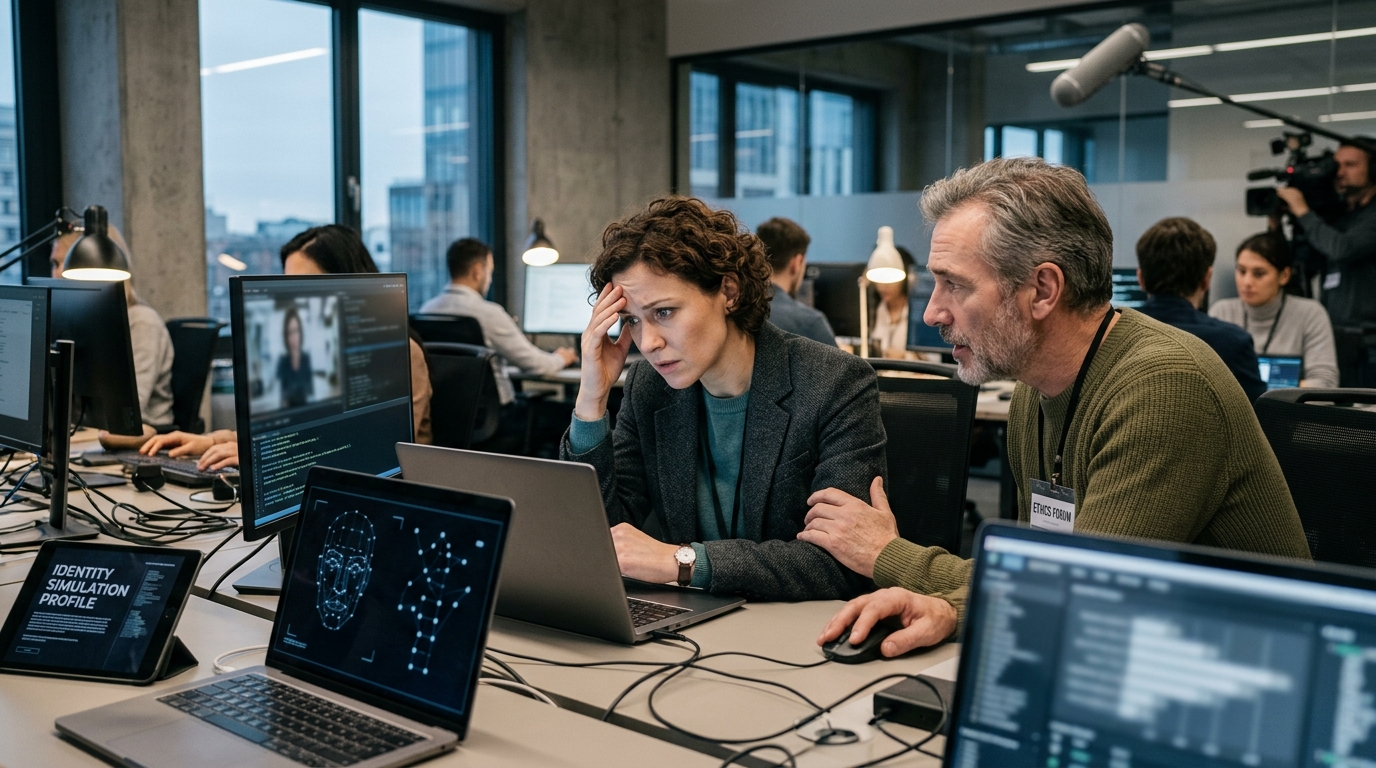
Beyond the legal and economic framework, there is the issue of mental health. The feeling that every mouse movement and every word in a chat is being recorded to feed a 'machine' creates an environment of permanent anxiety. Creativity often requires space for errors and experimentation—elements that vanish when monitoring is total and continuous.
Furthermore, the trust between employer and employee is eroding. If an employee realizes that their expertise is being used to automate their job, they have every incentive to withhold their most efficient methods or even 'poison' the data with sub-optimal practices, leading to an undeclared war in the digital office.
Conclusion: Toward a New Social Contract?
Technology is not going to retreat. The need for high-quality data is the 'gold' of our era. What is required is a new social contract that recognizes the value of human contribution to AI training. Perhaps employees should be specifically compensated for the data they generate, or perhaps they should hold intellectual property rights over the models trained by their activity. Without such a balance, Artificial Intelligence risks being transformed from a tool of progress into a tool of absolute labor exploitation.