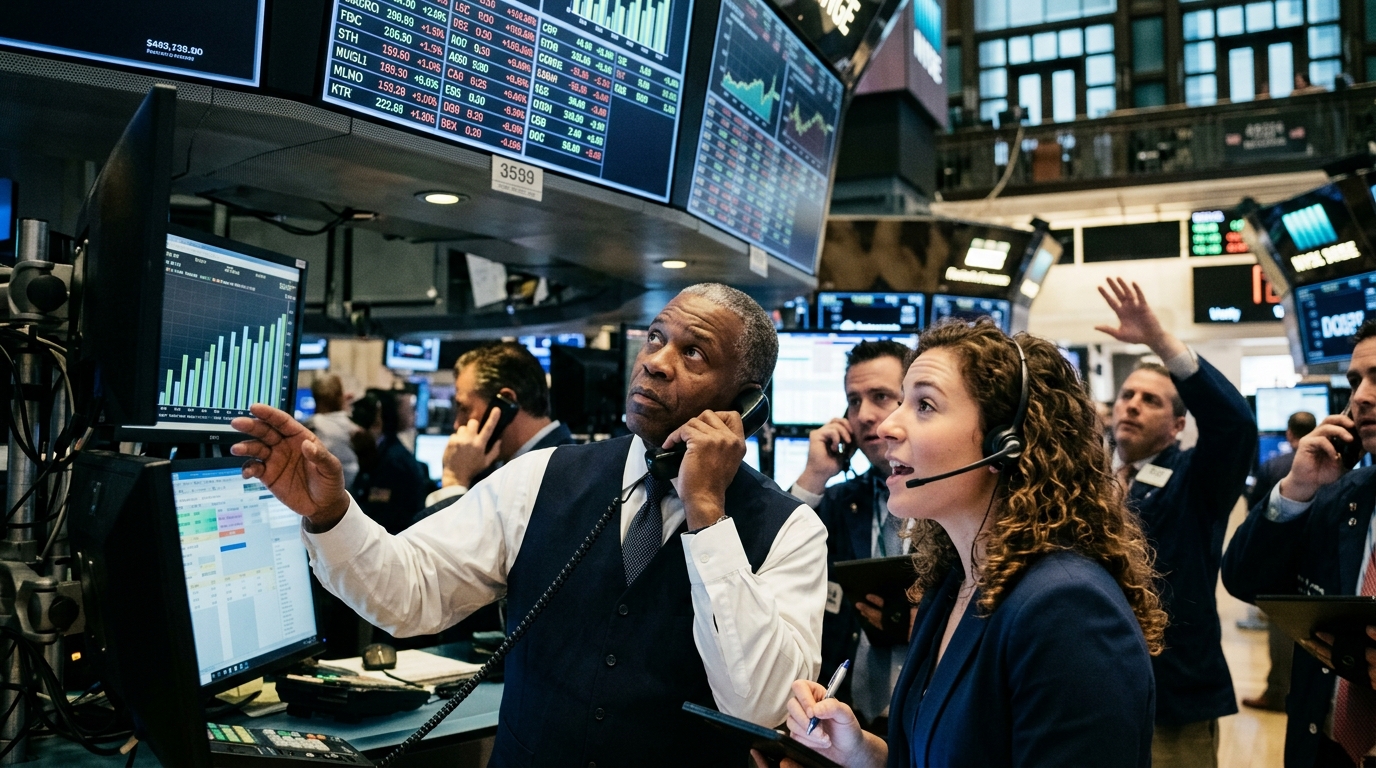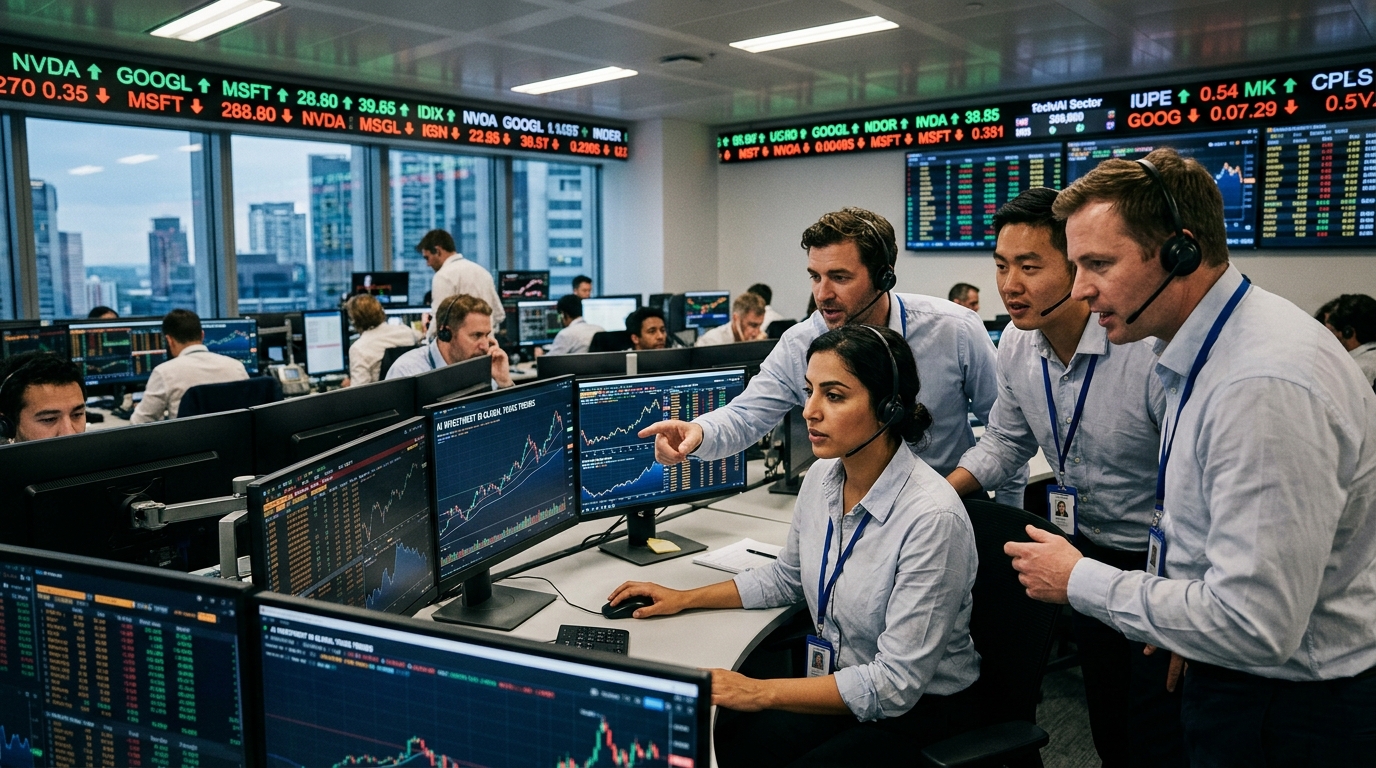
For more than a decade, the private credit market has been the 'holy grail' for institutional investors. Following the 2008 financial crisis, stringent regulations imposed on traditional banks left a massive void in the financing of mid-sized companies. This gap was filled by the so-called 'shadow banking' system, with giants like Blackstone, Apollo, and Ares raising trillions of dollars. However, as we move through May 2026, the landscape is shifting dramatically. The $1.8 trillion market is facing its most severe test yet, and the culprit is not just high interest rates, but Artificial Intelligence itself.
The Illusion of Stability and the AI Onslaught
Private credit was traditionally marketed as a safe alternative to public bonds, offering higher yields with lower volatility. Because these loans are not traded on public exchanges, their valuations did not exhibit the daily fluctuations seen in stocks. This 'smoothness,' however, is proving to be partly artificial. The advent of advanced AI tools is now allowing investors to analyze data that was previously hidden or too complex to process.
According to recent analyses, machine learning algorithms are now scanning thousands of pages of loan covenants and financial reports in real-time. What they are discovering is a disturbing erosion of safeguards. AI is identifying patterns where borrowers use creative accounting to hide leverage, or where multiple creditors have claims on the same assets without others' knowledge. This transparency, enforced by technology, is stripping away the veil of security that the lack of publicity once provided.
The Liquidity Mirage and the Domino Effect
The biggest problem in private credit is liquidity. Unlike stocks, you cannot sell a private loan at the click of a button. As AI reveals that some of these companies are not as solvent as they appeared, investors are starting to ask for their money back. This creates a vicious cycle: fund managers are forced to sell their best assets to meet redemptions, leaving the portfolio with the most 'toxic' loans.
Furthermore, AI is changing the fundamentals of the borrowers themselves. Many companies that received loans from private credit belong to traditional sectors now threatened by automation. A borrower in the service or distribution sector could see its business model collapse within months due to a new generative AI application. Creditors, who once relied on five-year projections, are now realizing that the sustainability horizon has shrunk dangerously.
Regulatory Response and Systemic Implications
Concerns have reached the European Central Bank and the Fed. There is a fear that a crisis in private credit could transmit to the broader banking system, as banks are often the ones providing credit lines to large fund managers. Using AI to monitor systemic risk is now a priority. Regulators are demanding more data, and the era when private credit operated in the dark seems to be coming to an end.
- The $1.8 trillion market is under pressure as AI exposes hidden risks.
- A lack of liquidity makes exiting troubled positions extremely difficult.
- AI is not just an analytical tool but a disruptive factor for borrowers' business models.
- Regulators are increasing pressure for transparency in the 'shadow' system.
In conclusion, private credit is not going to disappear, but the period of its unchecked rise is over. The investors who will survive will be those who use AI not just to find opportunities, but to understand the depth of the risks they are taking. The market is entering a phase of maturity, where real value will be distinguished from artificial stability.