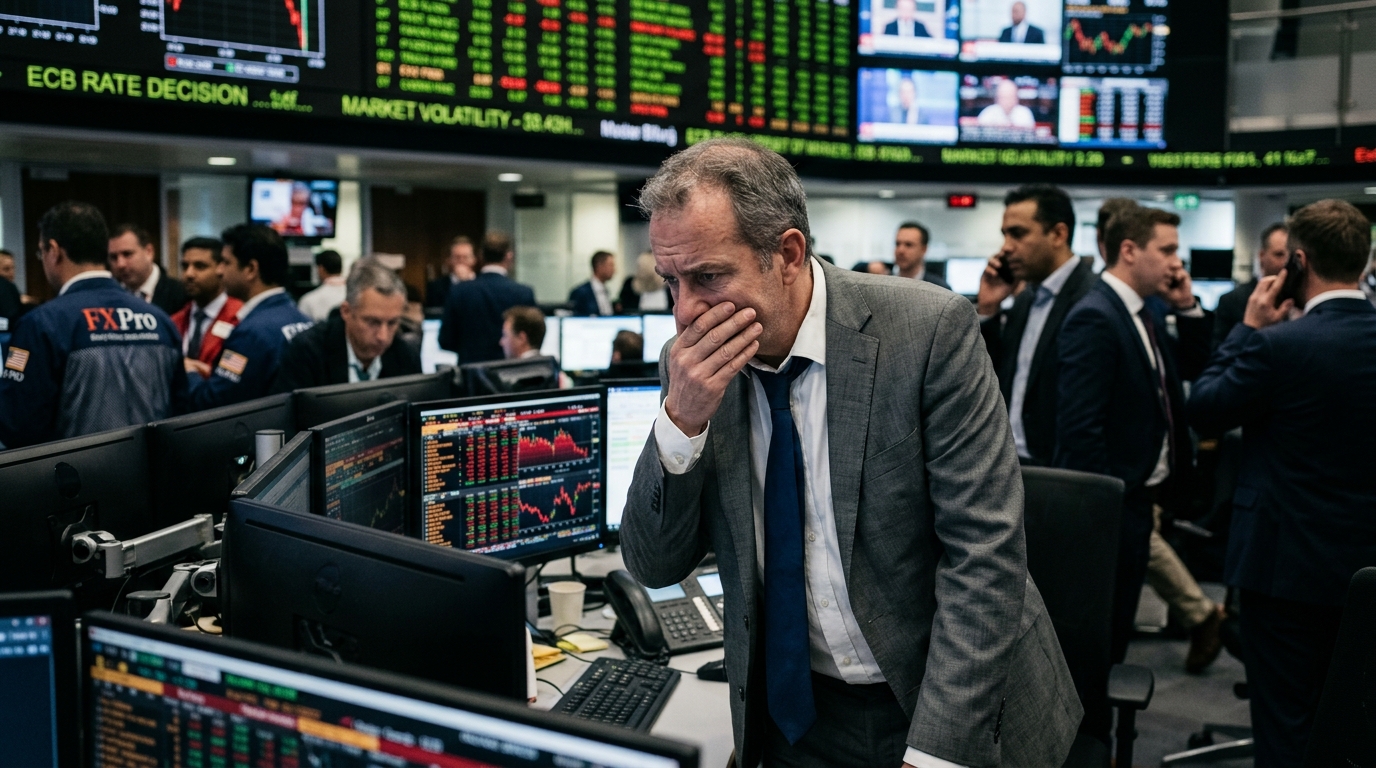
May 2, 2026, may well be remembered not for a sudden market crash, but for the full realization of a slow, relentless mathematical reality: the United States' national debt is no longer just a figure on a ledger, but the primary driver of its economic destiny. As first-quarter data confirms that interest payments have become one of the largest spending categories in the federal budget, Washington faces the specter of 'Fiscal Dominance.'
This term, once confined to academic textbooks on developing economies, describes a situation where a central bank loses its ability to control inflation through interest rates. The reason is simple yet terrifying: if the Federal Reserve raises rates to curb prices, the cost of servicing the country's massive debt skyrockets to levels that threaten fiscal stability. In this scenario, monetary policy becomes a hostage to deficits.
The Feedback Loop of Rates and Deficits
The current crisis did not emerge in a vacuum. It is the result of decades of borrowing, which accelerated dramatically during the pandemic and subsequent support programs. However, the real shift occurred when the era of 'free money' and zero interest rates came to an end. As older, low-interest bonds mature, the Treasury is forced to refinance debt at today's much higher rates.
- Surpassing Defense: Net interest payments now exceed defense spending, a historic and sobering milestone for a global superpower.
- Self-Perpetuating Deficits: A growing percentage of new borrowing is used exclusively to pay interest on old debt, creating a classic debt trap.
- Crowding Out: The need to finance the deficit absorbs available liquidity, potentially stifling private investment and long-term productivity.
The Threat of Fiscal Dominance
The core argument of the recent Fortune AI analysis is that the Fed is now in a deadlock. If inflation remains stubborn, the traditional recipe of raising interest rates could trigger a 'fiscal explosion.' Every percentage point increase adds hundreds of billions of dollars to the annual deficit. This creates a risk where the market begins to doubt U.S. solvency, leading to even higher bond yields and, ultimately, a crisis of confidence in the dollar.
Under a regime of fiscal dominance, the central bank may be forced to keep interest rates artificially low—below the level of inflation—to save the government from insolvency. This is known as 'financial repression.' While this helps reduce the real value of the debt, it acts as a hidden tax on savers and erodes the purchasing power of citizens.
"Fed independence is a myth when the Treasury's balance sheet is on fire. The arithmetic of debt servicing now overrides any economic theory," notes a senior Wall Street analyst.
Political Paralysis and the Future of the Dollar
The most concerning element is the lack of political will to address the issue. With the U.S. remaining deeply polarized, cutting social spending (Social Security, Medicare) or significantly raising taxes is seen as 'political suicide.' However, without structural changes, the deficit will continue to balloon, fueled by an aging population and rising healthcare costs.
The international community is watching with bated breath. The U.S. Treasury bond is considered the 'safe haven' of the global financial system. If its credibility is shaken due to the inability to control interest costs, the repercussions will be global. Already, some nations are seeking alternatives for their foreign exchange reserves, fearing the dollar will be sacrificed for the sake of U.S. fiscal survival.
In conclusion, the United States is entering a new economic era where managing the past (the debt) will consume the resources needed for the future. The challenge for the Fed and the government is no longer just growth, but avoiding a mathematical inevitability that leads to devaluation and decline.