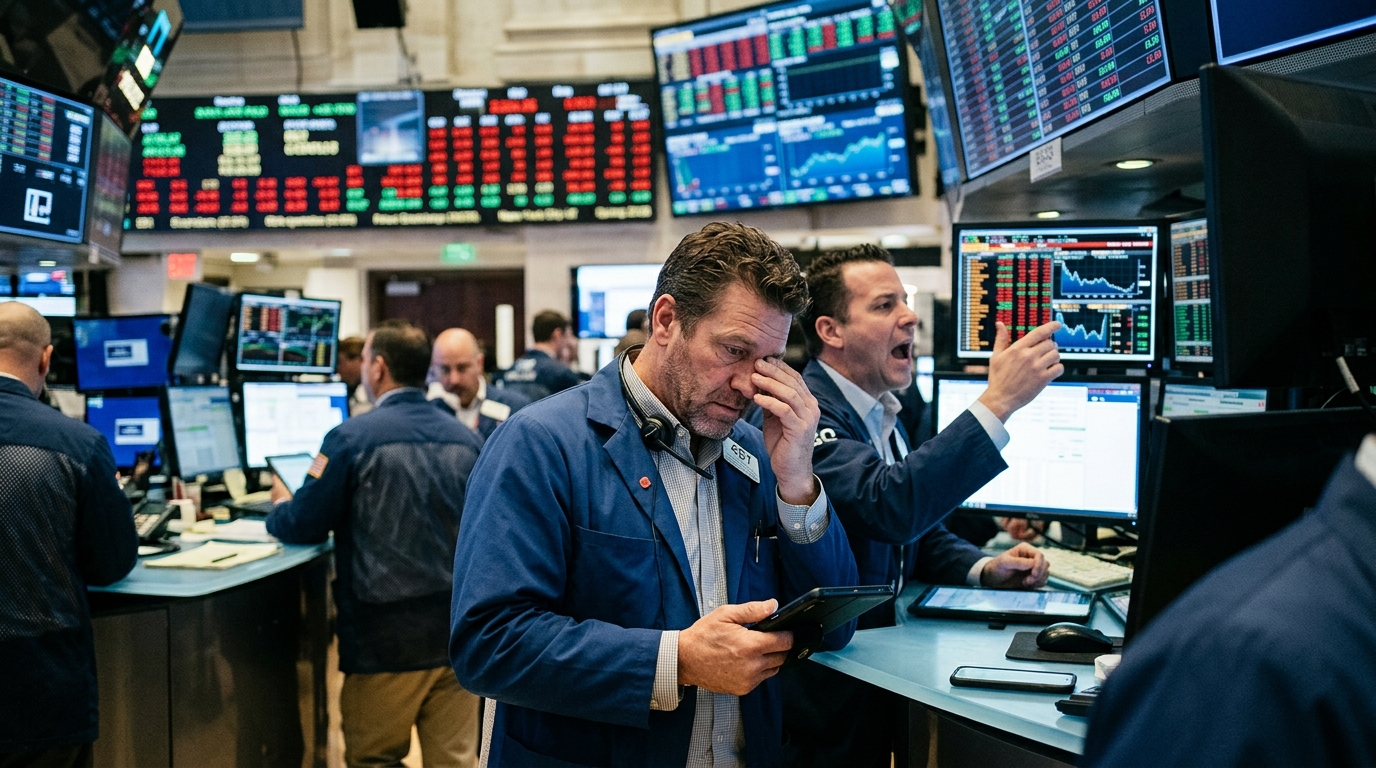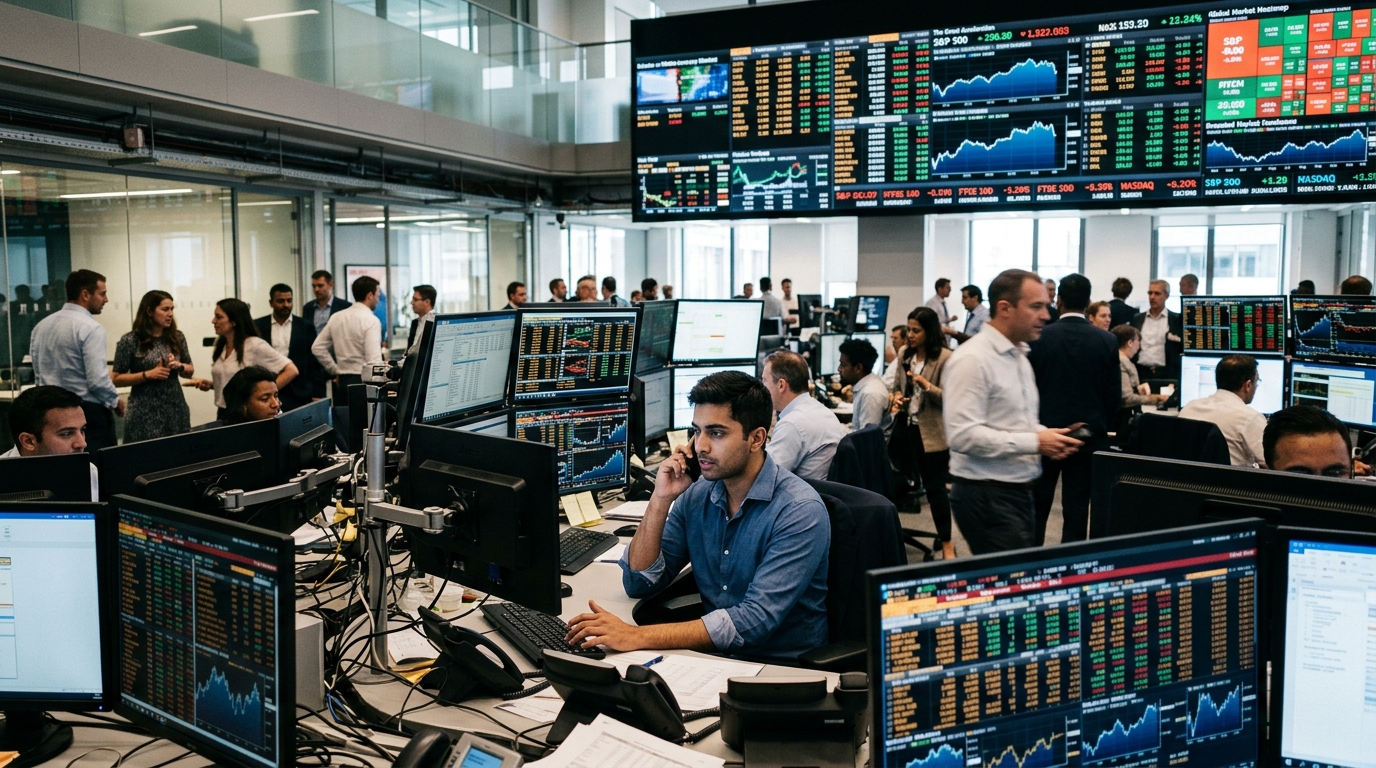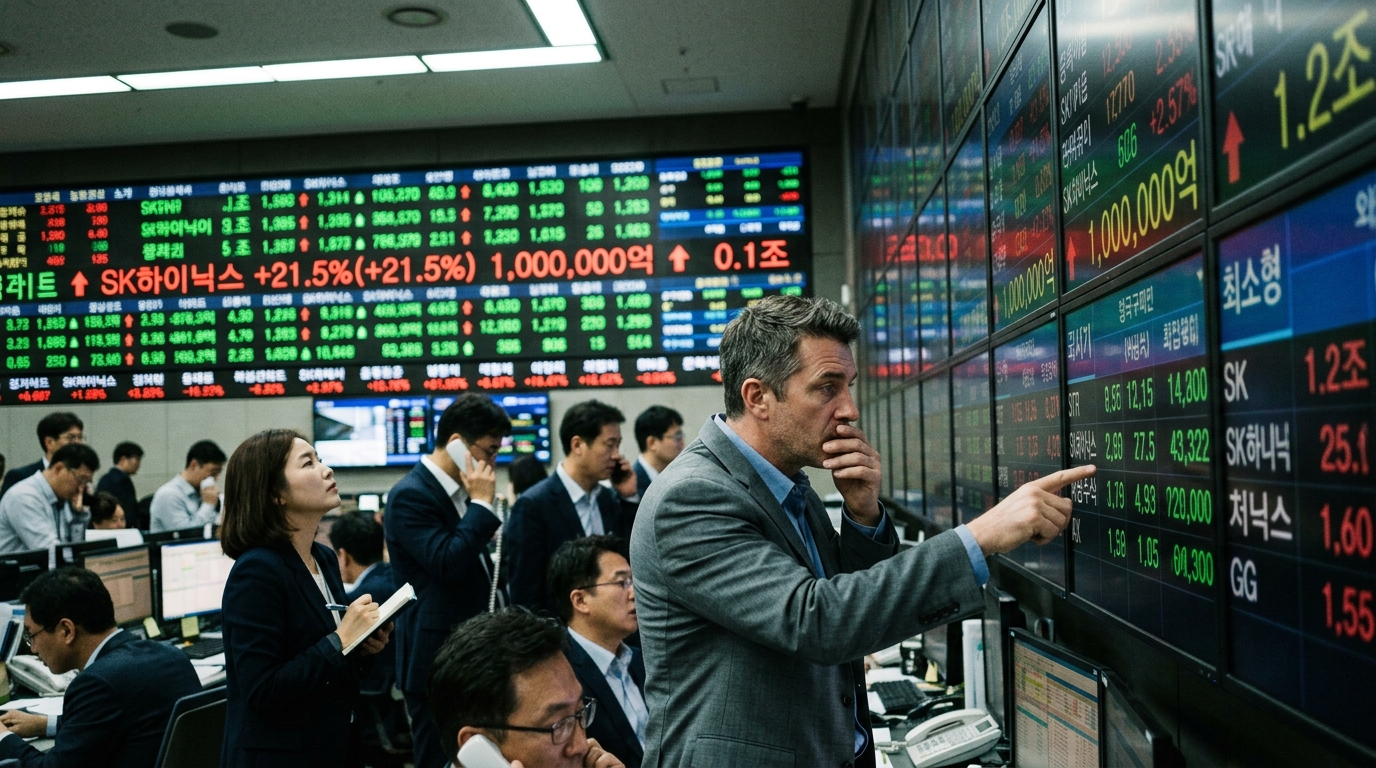
In a historic turning point for the global semiconductor industry, South Korea's SK Hynix and America's Micron Technology have triumphantly entered the exclusive "$1 trillion club." This development is not merely a stock market headline; it signals a fundamental realignment of the technological hierarchy, where memory — once dismissed as a mere commodity — is being transformed into the most critical pillar of the Artificial Intelligence (AI) revolution.
The Revenge of Memory: From Commodity to High Strategy
For decades, the memory sector (DRAM and NAND) was characterized by intense cyclicity. Companies survived through periods of oversupply and catastrophic price drops. However, the advent of Generative AI changed the rules of the game. SK Hynix, under the leadership of Kwak Noh-jung, managed to anticipate this shift earlier than its domestic rival, Samsung Electronics. By focusing on High Bandwidth Memory (HBM), the company became the sole and indispensable supplier for NVIDIA's GPUs.
The surge in market capitalization to $1 trillion reflects investor conviction that we are not just in another upcycle, but in a structural revaluation of the entire industry. HBM3E and the upcoming HBM4 are not just chips; they are the "lungs" of large language models. Without the speed and efficiency offered by SK Hynix's solutions, NVIDIA's H100 and Blackwell processors would remain idle, choked by the data transfer bottleneck.
The Competition with Micron and Western Resilience
Alongside SK Hynix, Micron Technology has seen its own value skyrocket, confirming that demand is so vast it can sustain multiple players at these astronomical levels. Micron, bolstered by subsidies from the U.S. CHIPS Act, has managed to close the technological gap, offering memory solutions that consume 30% less power than the competition. This is crucial for data centers struggling to manage the energy costs of AI infrastructure.
The market is watching Samsung with bated breath. Although it remains the world's largest memory producer by volume, it has missed the high-profitability "train" offered by HBM. SK Hynix's entry into the $1 trillion club is a loud reminder that in the AI era, specialization and execution speed trump sheer size. The premium being paid for HBM reflects its status as a specialized component rather than a bulk product.
Geopolitical Implications and the Road Ahead
The rise of these giants does not occur in a political vacuum. South Korea views SK Hynix as its "strategic fortress" against Chinese pressure. The government in Seoul has already announced multibillion-dollar support packages to ensure the country remains the global center of memory production. However, the heavy reliance on NVIDIA remains the greatest risk. If AI demand cools or if data centers reach saturation, the fall from $1 trillion could be as precipitous as the rise.
According to Bloomberg analysts, the next 12 months will be decisive. SK Hynix is already investing in new production facilities in Indiana, USA, and Yongin, Korea, aiming for vertical integration that includes advanced packaging. The bet is whether memory can maintain the profit margins traditionally enjoyed only by software or processor design firms.
"Memory is no longer the supporting actor; it has become the co-star of the AI era. The valuations we see today are a reflection of a world where data speed is the ultimate currency." — David Savage, Bloomberg Tech.
In conclusion, the rise of SK Hynix and Micron is not a bubble, but the recognition that machine "intelligence" is inextricably linked to the ability to store and retrieve data at the speed of light. $1 trillion is simply the figure that certifies this new physics of the global economy.