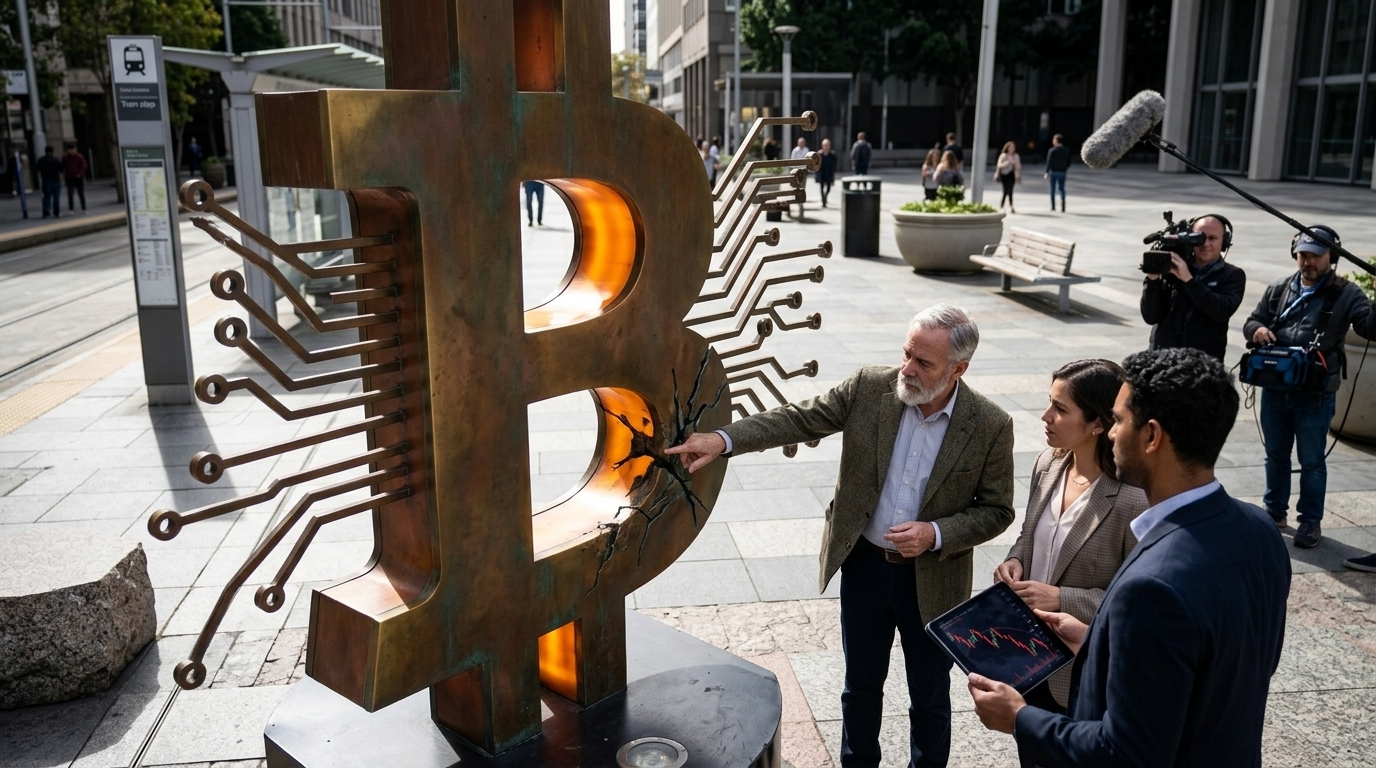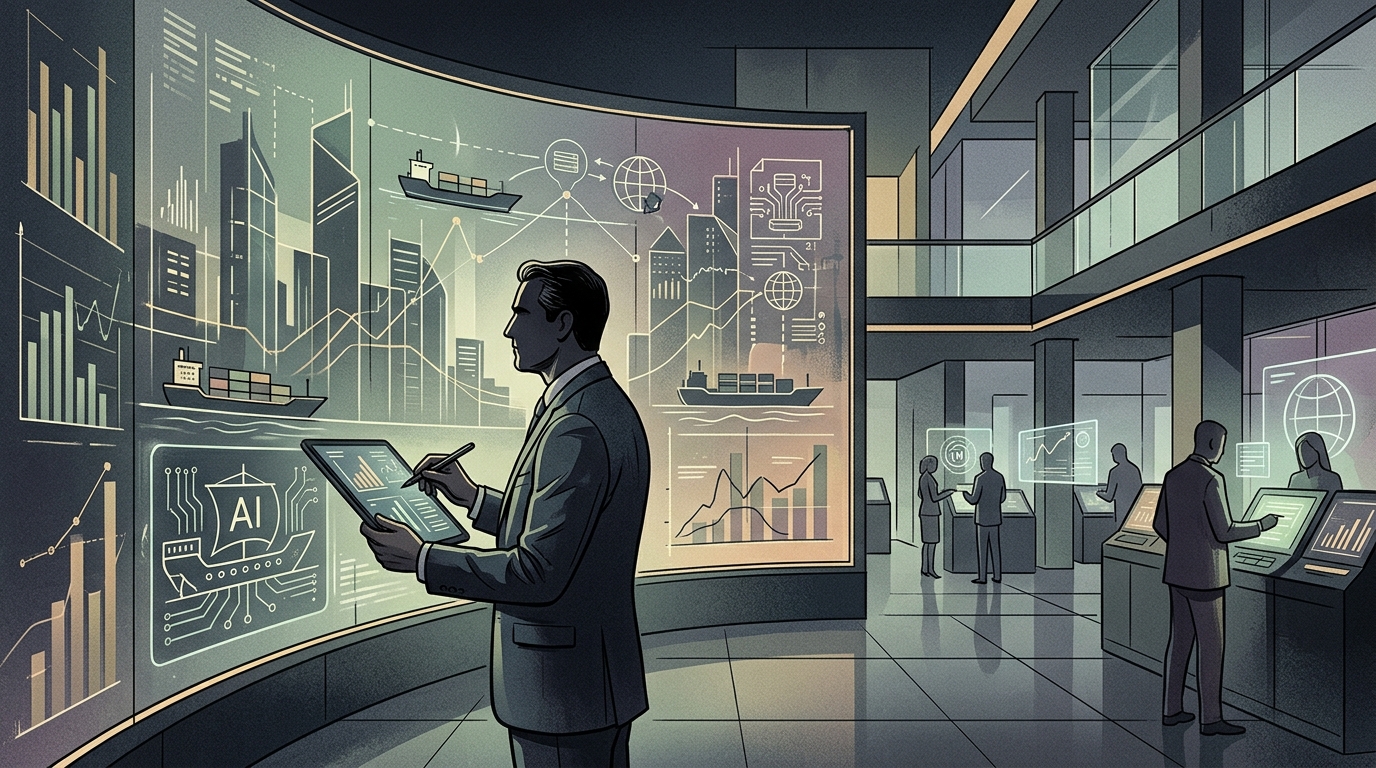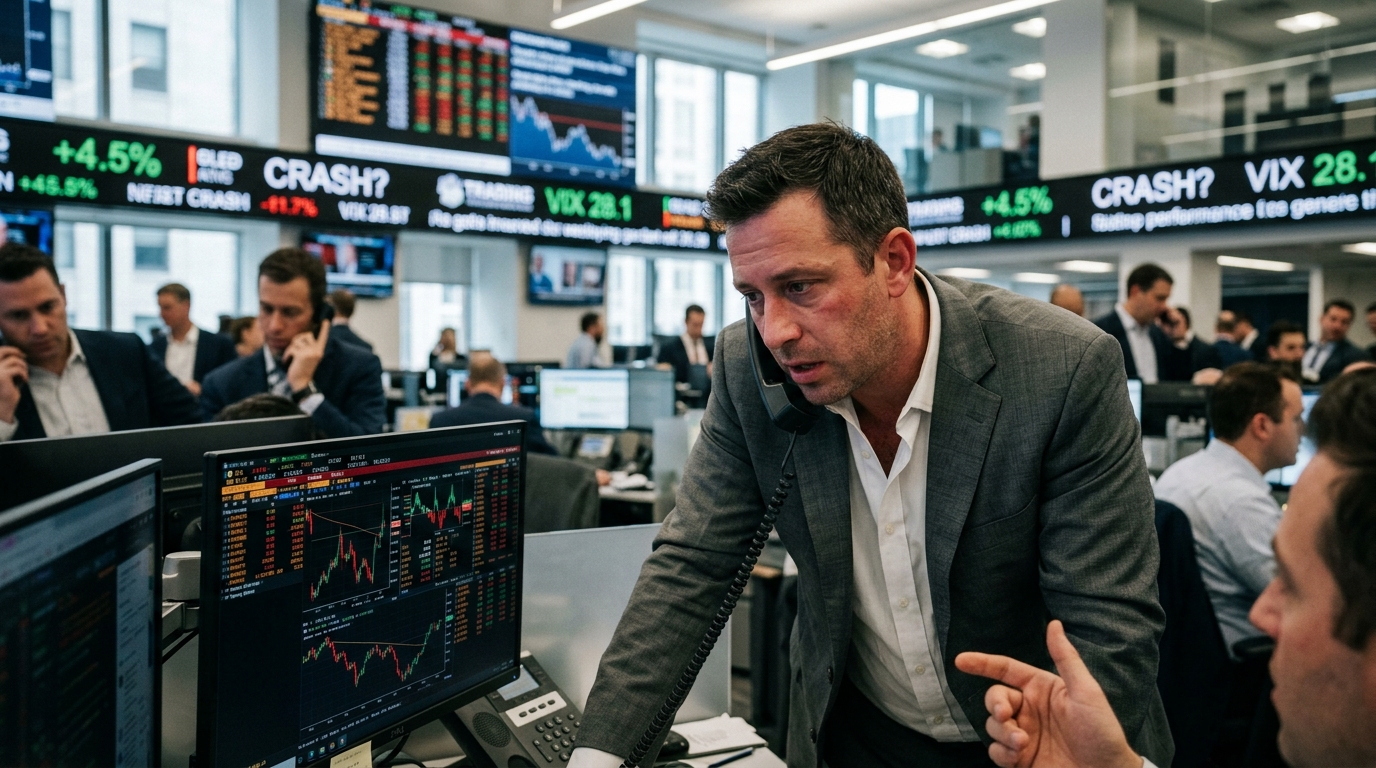
In just a few short years, prediction markets have transformed from niche platforms for statistics enthusiasts into dominant players in the global economic and political landscape. Today, May 27, 2026, the industry is valued in the tens of billions of dollars, with platforms like Polymarket and Kalshi now influencing even central bank decisions. However, this rapid ascent is accompanied by a dark shadow: the rampant use of insider trading that threatens to turn the 'wisdom of the crowds' into a wealth-generation mechanism for the few who hold the keys to power.
The Architecture of Information Arbitrage
Prediction markets operate on a simple yet potent logic: participants buy and sell shares based on potential future events. If a prediction comes true, the share is redeemed for one dollar; if not, it becomes worthless. The price of a share at any given moment is seen as reflecting the probability of the event, creating a highly accurate forecasting index that often surpasses polls or analysts in reliability.
However, this accuracy comes at a cost. For a market to be efficient, it must incorporate all available information. But what happens when that information is not public? In traditional stock markets, using non-public information for profit is a criminal offense. In prediction markets, the legal framework remains a 'gray zone.' From Federal Reserve interest rate decisions to military movements in conflict zones, those 'in the know' now have a direct way to cash in on their knowledge, betting against an unsuspecting public.
The Regulatory Compliance Challenge
Regulators worldwide, led by the CFTC in the US and ESMA in Europe, are on high alert. The primary argument from proponents of these markets is that they provide valuable data to society. "Prediction markets are the cleanest truth-seeking tool we have," decentralized finance advocates often claim. Yet, critics point out that when a government official can bet on the outcome of a legislative initiative they control, it is not 'wisdom'—it is outright theft.
- Political Corruption: There are growing signs that congressional aides and ministry officials are using pseudonyms on decentralized platforms to bet on the passage of bills.
- Corporate Secrets: Before major acquisitions or tech giant announcements, strange fluctuations are often observed in the corresponding prediction markets.
- Geopolitical Risk: The ability to bet on military operations creates profound ethical dilemmas, as intelligence from the battlefield can be funneled into markets for financial gain.
"If we allow prediction markets to operate without the strict rules that govern Wall Street, we are creating the largest insider trading laundromat in the history of capitalism," says a senior regulatory official speaking on condition of anonymity.
The Future: Transparency or Collapse?
The industry stands at a critical crossroads. Some platforms are attempting to self-regulate, imposing KYC (Know Your Customer) checks and analyzing trading patterns to identify suspicious activity. However, the nature of encrypted and decentralized markets makes policing extremely difficult. The challenge for 2026 and beyond will be creating a framework that protects the predictive value of these markets while excluding those seeking to exploit their positions of power. Without trust, prediction markets will cease to be forecasting tools and will end up as just another mechanism for transferring wealth from the many to the few, undermining the very concept of objective truth in the digital age.