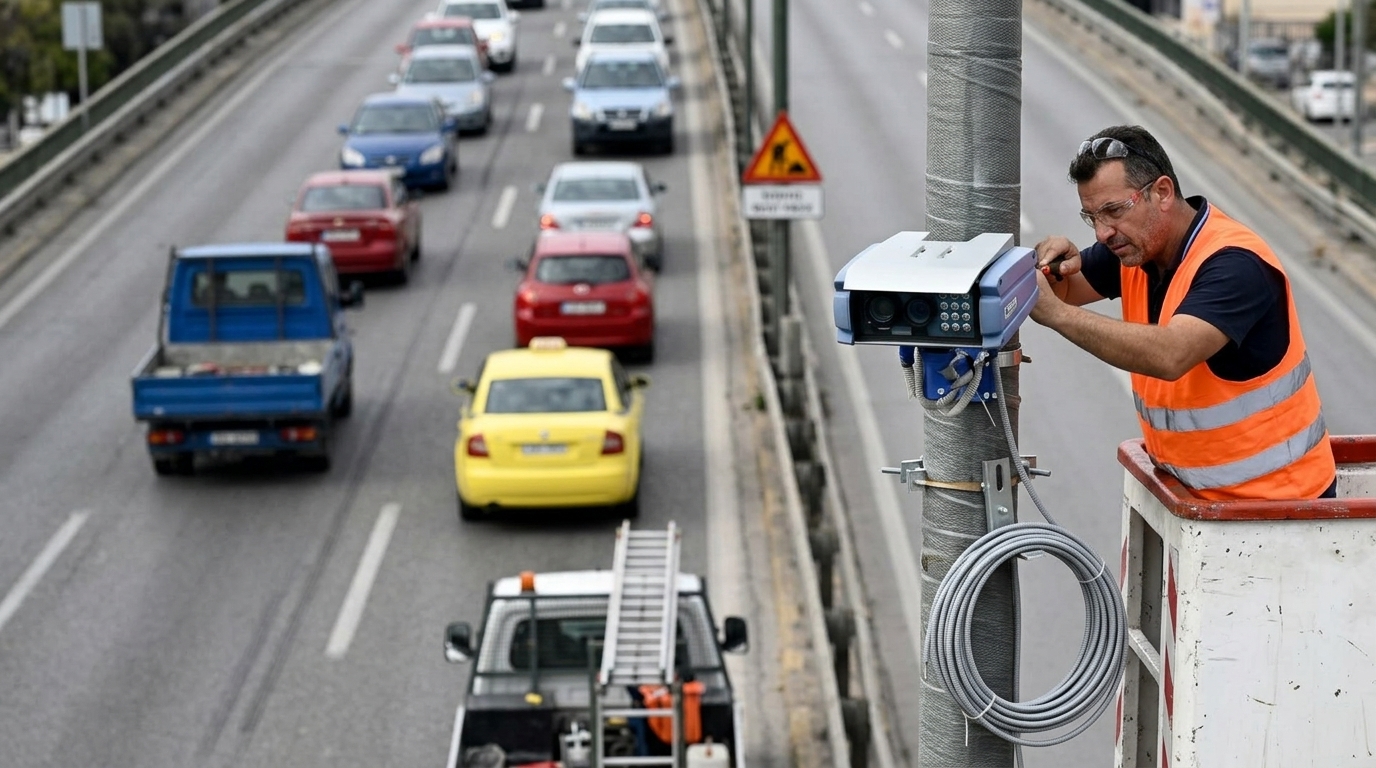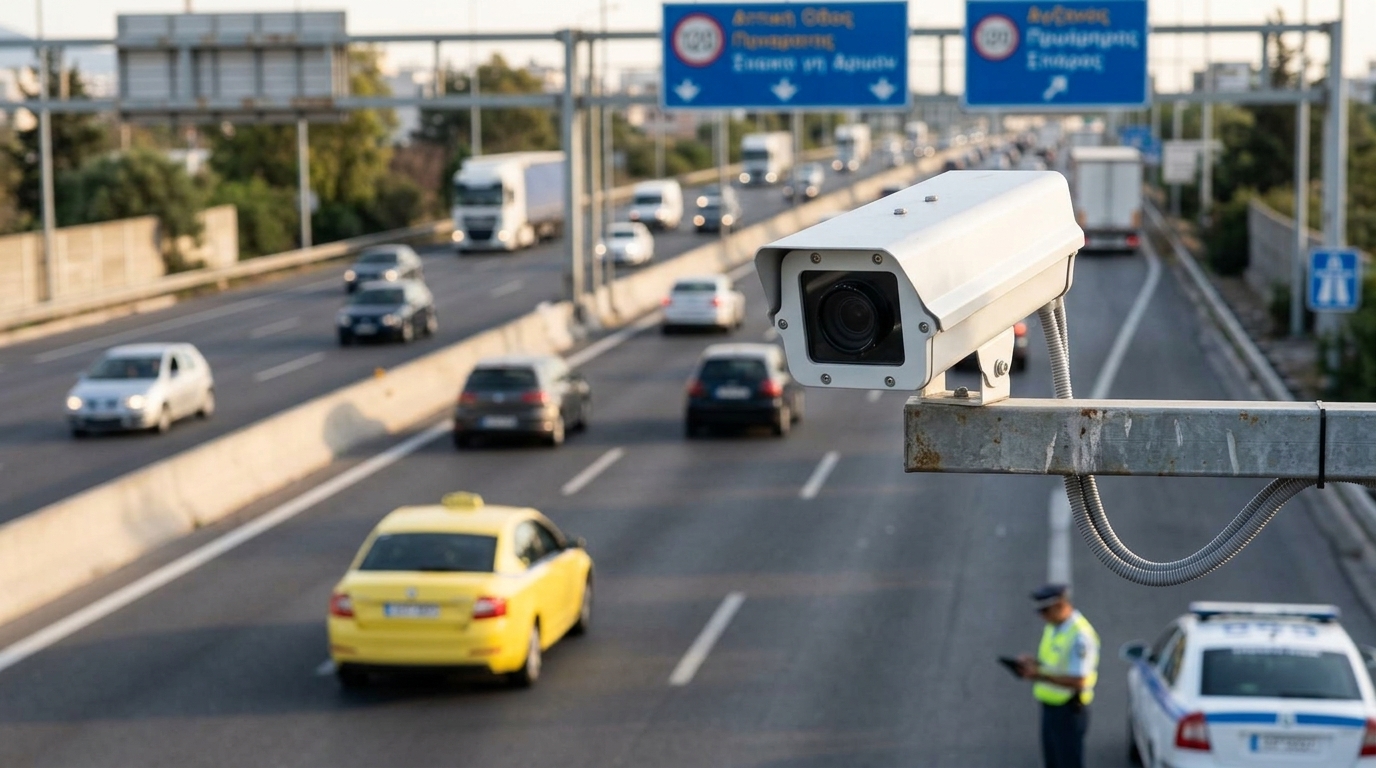
The reality of Greek roads is set to undergo a radical transformation, as the Minister of Digital Governance, Dimitris Papastergiou, announced the imminent launch of the tender for the installation of hundreds of 'smart' cameras. This move is not merely a technical upgrade of the Traffic Police's equipment, but a structural shift in how the state perceives law enforcement and road safety. After a period of intentional waiting, the government declares itself ready to proceed with a process that promises to minimize the judicial entanglements that traditionally bog down major public projects in Greece.
The Strategy of 'Legal Shielding'
One of the most significant points in Mr. Papastergiou's statements concerns the delay observed in the previous period. As the Minister explained, the postponement was not the result of negligence, but a conscious choice to legally fortify the tender. In Greece, public tenders often end up in an endless cycle of objections and appeals to the Council of State, resulting in critical projects being delayed for years. The new approach seeks to close every 'window' of challenge from potential contractors, ensuring that once the contracts are signed, implementation will be swift.
This shielding concerns both the terms of the tender and the technical specifications of the systems. The new cameras will not just be recording devices, but advanced computing systems operating within a strict legal framework for the protection of personal data—an issue that always sparks reactions and requires the approval of the Hellenic Data Protection Authority.
Artificial Intelligence and Automated Fines
The heart of the new system is Artificial Intelligence (AI). The cameras to be placed at key points in Attica, and later in the rest of the country, will have the ability to detect a range of violations in real-time: from running red lights and using a mobile phone while driving, to not wearing a seatbelt or helmet. The innovation lies in the full digitization of the process. The violation will be recorded, the vehicle identified through interconnection with the 'MyAuto' platform, and the fine will be sent digitally to the citizen's e-wallet on Gov.gr.
This automation is expected to eliminate the sense of impunity that often possesses Greek drivers. The physical presence of the police, although necessary, cannot cover the entire road network on a 24-hour basis. Technology comes to fill this gap, acting primarily as a deterrent. The goal is not the collection of fines, but the change of driving culture in a country that continues to pay a heavy blood tax on its asphalt.
Challenges and Social Impact
Despite the positive prospects, the venture is not without challenges. The most significant concerns social acceptance. The concept of constant surveillance, even for road safety reasons, raises questions about the limits of state intervention in private life. The government must ensure that the data collected will be used exclusively for the purpose defined by law and that there will be no 'leakage' of information regarding the personal movement of citizens.
Furthermore, there is the issue of fairness. The technology must be infallible. A mistake in license plate recognition or a wrong AI estimation of whether the driver was wearing a seatbelt could lead to unfair fines and citizen distress. For this reason, Mr. Papastergiou emphasized that there will be safeguards and the possibility of easy objection through digital channels. The bet for the Ministry of Digital Governance is to prove that technology can be the citizen's ally for a safer life, without sacrificing their freedoms.