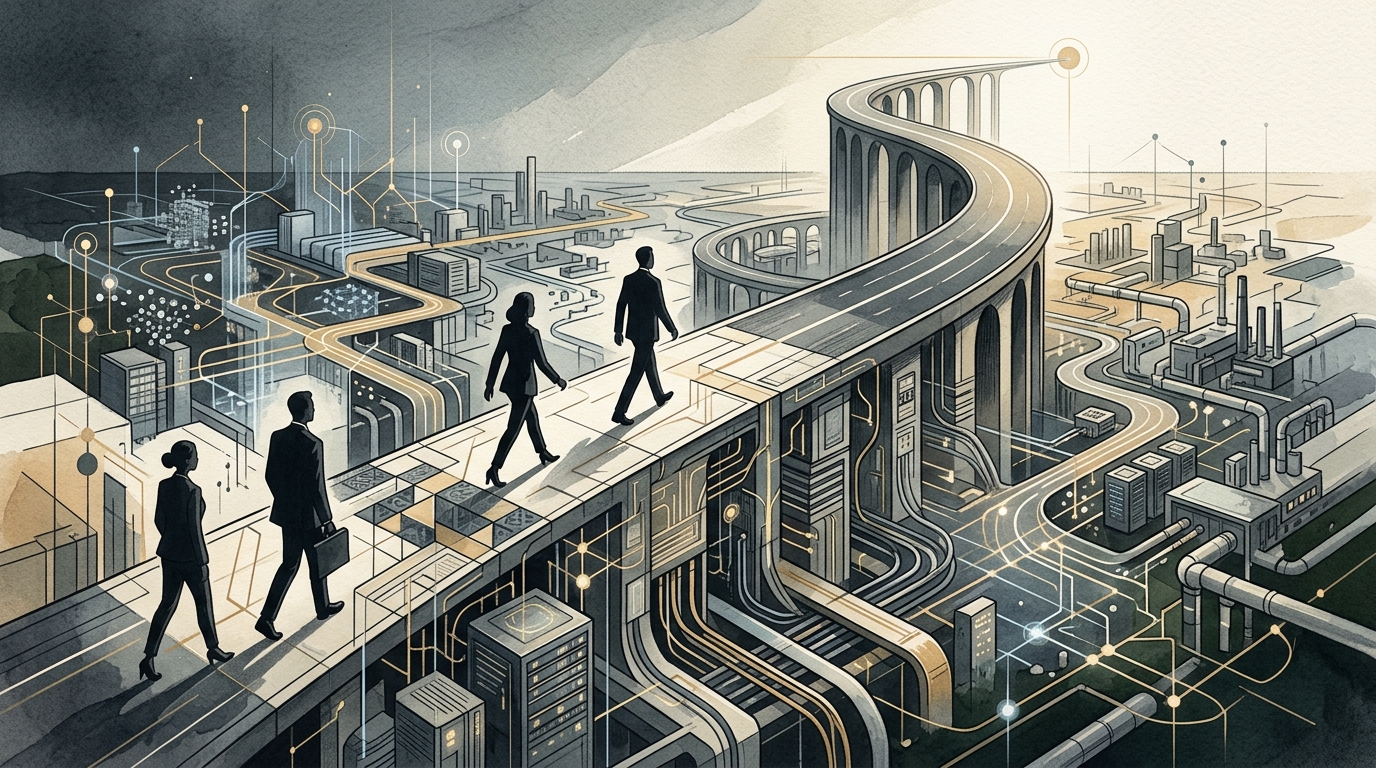
In May 2026, the atmosphere in Raleigh, North Carolina, is charged with the traditional optimism of commencement season, yet underscored by a profound sense of uncertainty that was absent just a few years ago. Graduates of North Carolina State University (NC State), a cornerstone of the American research apparatus, are finding themselves at the vanguard of a historic economic shift. The job market they are entering no longer merely asks for a degree; it demands a deep, symbiotic fluency with Artificial Intelligence (AI).
The Erosion of the Entry-Level Foundation
For decades, the career trajectory for a fresh graduate was predictable: enter at the bottom, perform the foundational tasks—coding basic modules, drafting reports, organizing data—and learn the ropes. In 2026, these tasks have been largely subsumed by generative agents. According to labor market analysts within the Research Triangle Park ecosystem, companies are pivoting toward 'augmented' roles from day one.
This creates what economists are calling the 'Junior Paradox.' If AI handles the grunt work that traditionally served as the training ground for new hires, how do juniors develop the institutional knowledge and professional intuition required to become senior leaders? NC State graduates, particularly in STEM and design fields, report that job interviews have shifted focus. It is no longer about 'what you know,' but rather 'how you direct an AI model to solve a complex, multi-layered problem.'
Academic Evolution and the AI Native
NC State hasn't been a passive observer. The university has aggressively integrated AI ethics and Large Language Model (LLM) orchestration into nearly every curriculum. However, the sheer velocity of technological advancement often outpaces academic bureaucracy. The Class of 2026 is the first generation of 'AI Natives' in a professional sense—they have used these tools throughout their collegiate careers as tutors, research assistants, and creative partners.
"We aren't afraid of the AI itself; we're concerned about the 'compute divide'—the gap between those who have access to the highest-tier enterprise models and those who don't," says one Computer Science graduate.
The university’s response has been to double down on skills that AI cannot easily replicate: high-level critical thinking, emotional intelligence, and ethical stewardship. In the 2026 job market, the ability to detect 'hallucinations' in automated outputs and ensure data integrity is often viewed as more valuable than the ability to generate the content itself.
Economic Implications: Productivity vs. Displacement
From an economic standpoint, the entry of these graduates into the workforce is influencing a new wage dynamic. While top-tier graduates who possess 'AI orchestration' skills are seeing record-breaking starting salaries, the median graduate faces a more competitive and volatile landscape. The geographic advantage of being near tech giants in the Research Triangle is being challenged by the globalization of AI-enabled remote work.
- High demand for 'AI Orchestrators' and Ethics Compliance Officers.
- Significant contraction in traditional administrative and junior analytical roles.
- A shift toward 'Lifelong Learning' contracts where upskilling is a mandatory part of employment.
- The rise of 'Hybrid Creativity,' where human vision directs automated execution.
Ultimately, the NC State Class of 2026 represents a pilot program for the future of human labor. Their success will not be measured by the volume of information they have memorized, but by their agility in navigating a professional landscape that is rewritten weekly by algorithmic updates. AI is the new electricity, and these graduates are the first generation tasked with wiring the world for it, all while ensuring the current doesn't overwhelm the human element at the heart of the economy.