For decades, investors in global financial markets slept soundly, knowing there was an invisible but powerful "safety net." What analysts call the "Fed Put"—the belief that the U.S. Federal Reserve would intervene with rate cuts or liquidity injections as soon as stocks began to tumble—has been the cornerstone of investment psychology. However, as of May 2026, the omens are shifting. Leading economists are sounding the alarm: the willingness to shield markets may endure, but the capacity to do so is reaching its limits.
The Debt Trap and the Erosion of Policy Space
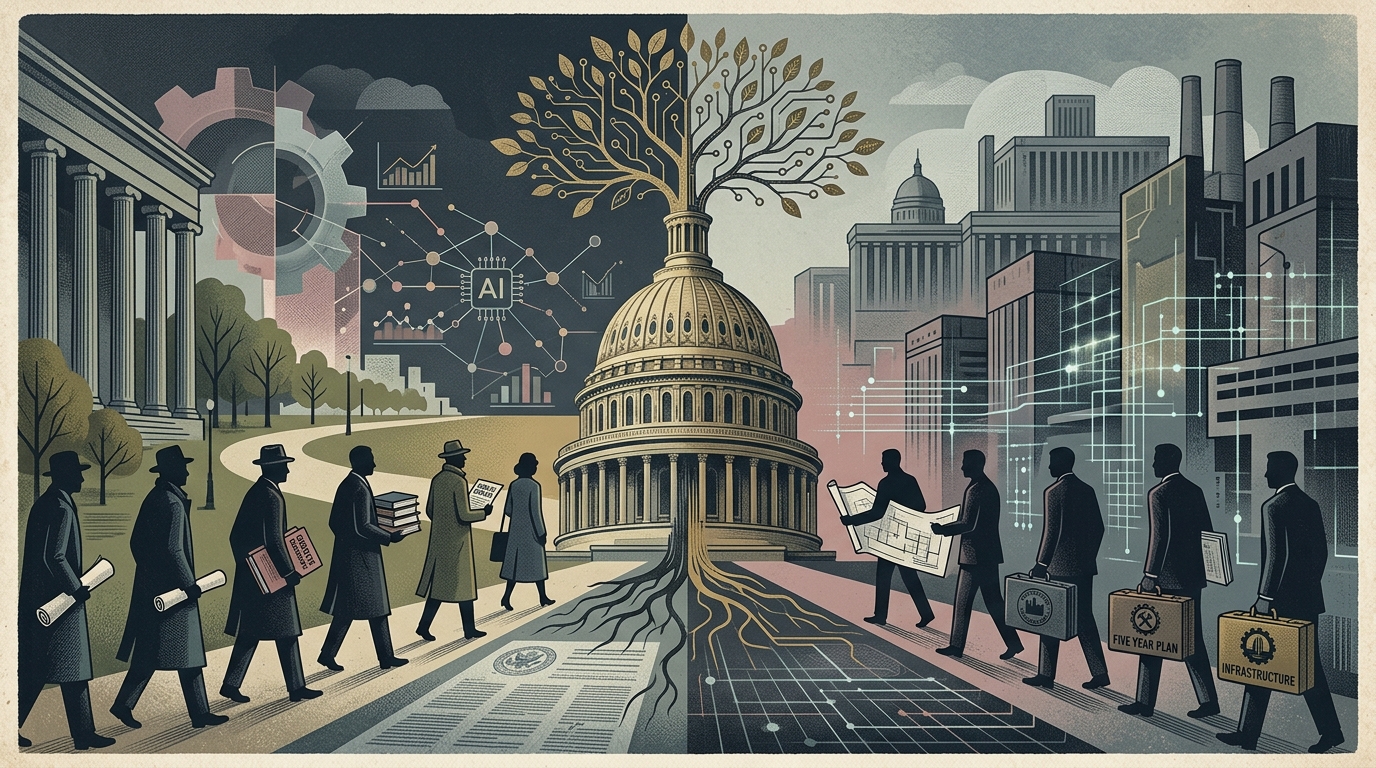
The core argument emerging from recent analysis by Fortune AI and top financial institutions is the dramatic change in the fiscal landscape. With U.S. national debt breaking record after record and the cost of servicing it now consuming a massive portion of the federal budget, Washington no longer has the luxury of reckless spending. Fiscal policy, which once complemented monetary easing, is now effectively trapped.
As analysts point out, the constraints are no longer just political; they are structural. Any attempt at a massive liquidity injection risks reigniting inflation, which, despite receding from its 2022-2023 peaks, remains sensitive to exogenous factors and the surging demand driven by Artificial Intelligence in energy and infrastructure sectors. The "security blanket" is fraying at the seams because the loom that wove it—cheap debt and low inflation—is broken.
From Liquidity-Driven to Fundamental-Driven Markets
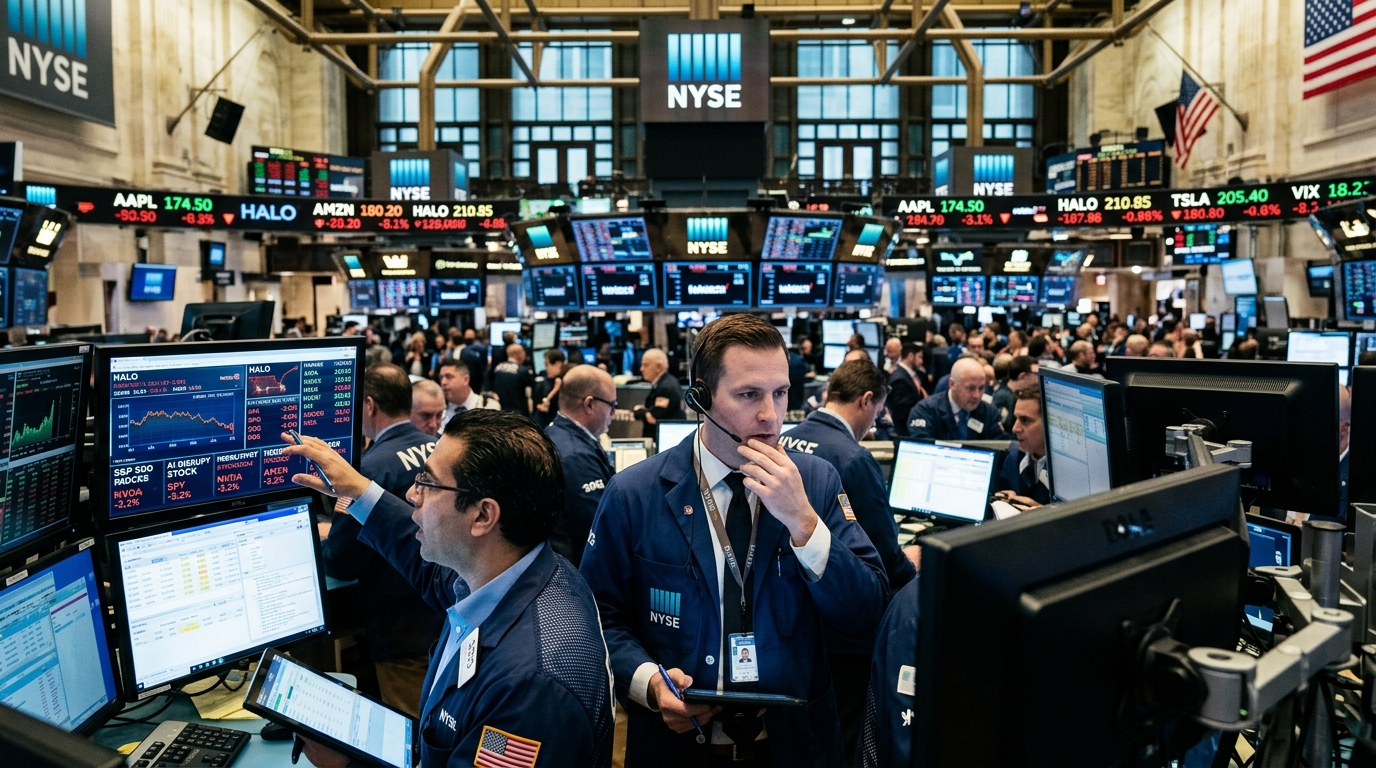
The loss of this safety net means that markets are entering a phase where intrinsic value and corporate fundamentals will once again play the leading role. In the era of "easy money," even "zombie" companies could survive. Today, selectivity is becoming the sole survival strategy. Investors are being asked to accept higher volatility, as central banks will no longer be able to "put out the fire" at the first sign of a market correction.
- Borrowing costs remain at levels that do not allow for easy debt refinancing.
- Geopolitical instability introduces risks that cannot be mitigated by monetary tools alone.
- The AI revolution requires massive capital, increasing competition for available liquidity.
"The market must learn to walk without crutches. The era when the Fed was the guarantor of Wall Street's gains is over," the report notes emphatically.
Implications for the Retail Investor
For the average investor, this paradigm shift is both daunting and educational. The "buy the dip" strategy, which yielded fruits for over a decade, is no longer a guaranteed win. Without the expectation of an immediate central bank intervention, a downturn could last much longer and cut much deeper. Portfolio diversification and a focus on companies with strong cash flows and low leverage are no longer just good advice—they are survival imperatives.
In conclusion, the warning from economists is not necessarily a prediction of doom, but a call for maturity. Markets are being forced to wean themselves off state support. The transition will be painful and fraught with turbulence, but it may lead to a healthier and more rational economic system in the long run—one where risk is priced correctly rather than being subsidized by the public balance sheet. The era of the 'Policy Put' is ending, and the era of accountability is beginning.