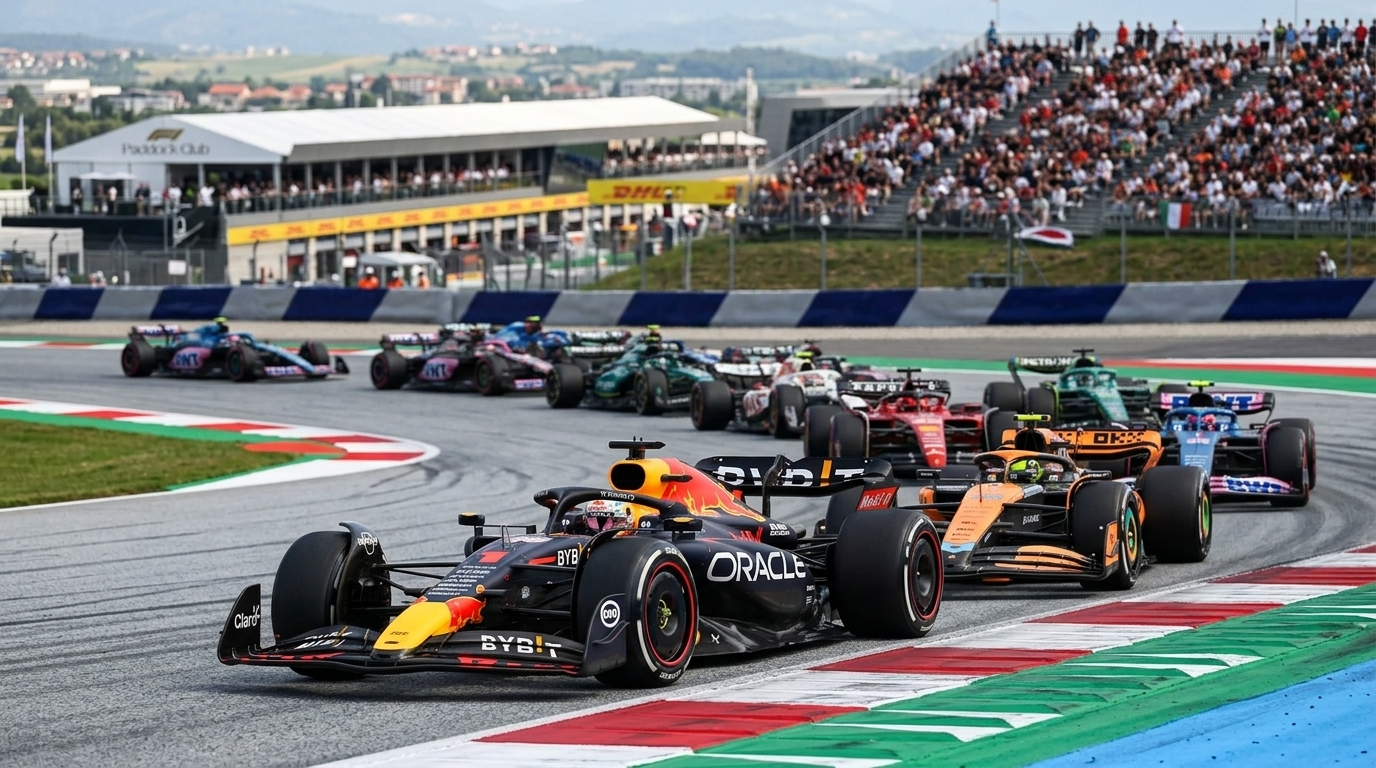
Formula 1, the pinnacle of global motorsport, finds itself at a paradoxical crossroads in its storied history. On one hand, Liberty Media’s balance sheets resemble a gold mine: revenues are surging, sponsorships from tech and crypto giants are flowing, and interest in the United States has reached levels once deemed impossible. On the other hand, CEO Stefano Domenicali, in recent statements, is indirectly admitting what traditional fans have been whispering for years: the sport is in danger of losing its soul in its quest to become the ultimate global spectacle.
The Commercial Explosion and the 'Netflix Effect'
One cannot dispute the commercial success of the last five years. Liberty Media’s 2017 takeover marked a radical shift in strategy. The Netflix series 'Drive to Survive' acted as the ultimate catalyst, transforming drivers from mere athletes into global TV personalities. This 'dramatization' of Grand Prix racing attracted a younger, more diverse audience—one that isn’t necessarily interested in the technical minutiae of aerodynamics but in personal rivalries and behind-the-scenes intrigue.
The numbers speak for themselves. Races in Miami and Las Vegas are not just sporting events; they are high-society galas attracting the elite of Hollywood and Silicon Valley. Tickets are sold at prices reminiscent of the Super Bowl, and host cities compete fiercely for a spot on the calendar. However, this financial prosperity comes with a price: a growing sense that the sport is drifting away from its European roots and the historic tracks that defined it.
The Clash of Tradition and Modernity
The question looming over the paddock is clear: How much entertainment can a sport endure before it ceases to be a sport? The introduction of Sprint races, the increase in street circuits at the expense of traditional venues like Spa or Monza, and the constant search for 'artificial' excitement through regulations have sparked backlash. Drivers, led by Max Verstappen, have expressed concerns about excessive commodification.
- The dominance of street circuits: Formula 1 is moving where the money and lifestyle are, often sacrificing the driving challenge and overtaking opportunities provided by purpose-built tracks.
- The saturated calendar: With 24 races a year, the fatigue of mechanics and teams has reached critical levels, and individual races risk losing their sense of occasion.
- Technical complexity: The 2026 regulations promise sustainable fuels, but the complexity of hybrid power units remains a barrier for new manufacturers and a massive cost driver.
Searching for Identity in the 21st Century
Domenicali is tasked with walking a precarious tightrope. Formula 1 must remain the pinnacle of engineering and technology, yet stay accessible and thrilling for the social media generation. The challenge is to avoid becoming 'Wrestling on wheels,' where the sporting outcome is secondary to the glitz of the spotlights. The sport’s identity is built on the authenticity of effort and raw speed. If these are sacrificed at the altar of clicks and engagement, the decline could be as swift as the rise.
"The situation is fantastic, but we must not be complacent. We must ensure the DNA of the sport remains intact," Domenicali stated, acknowledging the thin line between success and dilution.
In conclusion, the Formula 1 of the future will be judged not by how many billions it nets, but by whether it can keep alive the passion of fans who have followed it for decades while welcoming the new generation. The balance between financial prosperity and sporting integrity is the toughest race Stefano Domenicali and Liberty Media have ever had to run.