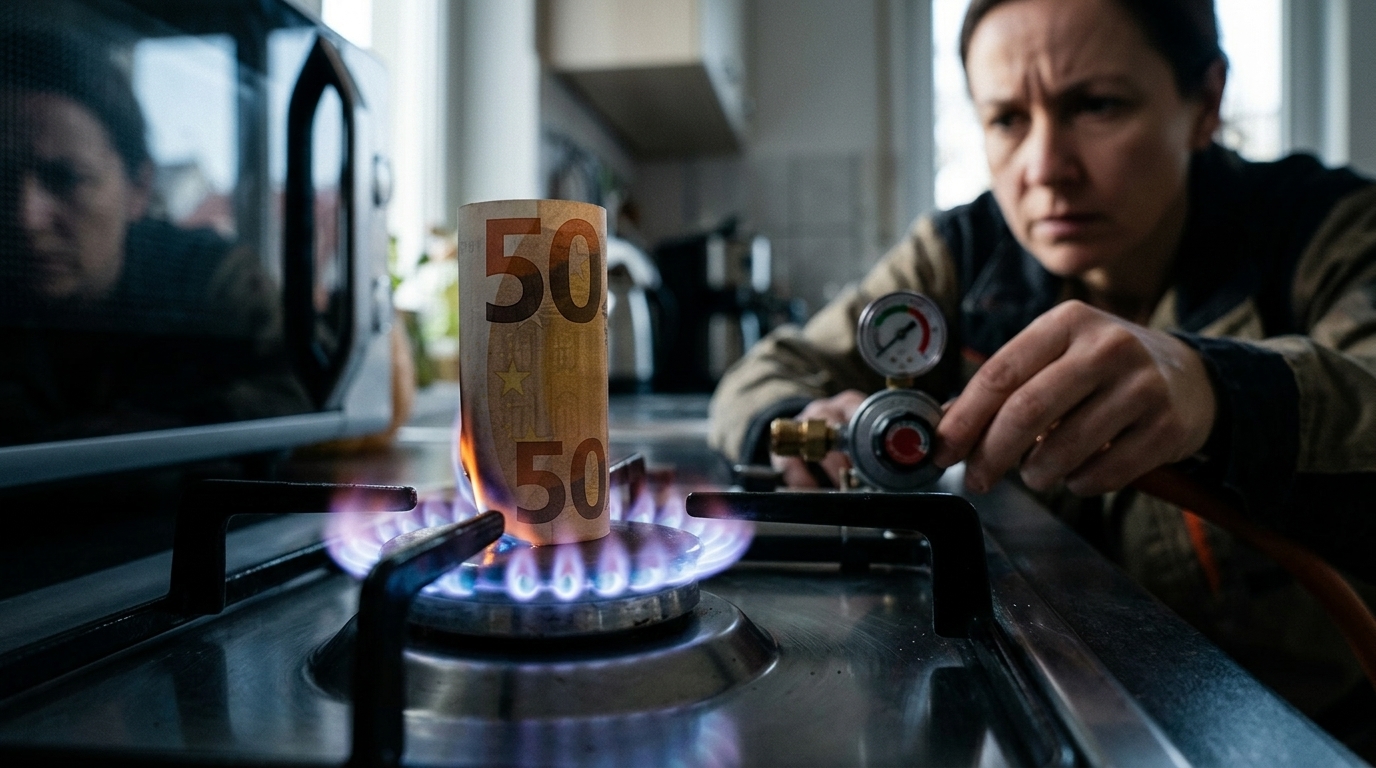
The global economy is facing one of the most perilous junctures in its modern history as energy markets enter a period of unprecedented volatility. According to recent analyses by The Economist, the situation is not merely concerning; it is potentially catastrophic. The convergence of geopolitical tensions, a rushed and often poorly planned transition to renewable energy sources, and the explosive rise in demand from artificial intelligence have created a "perfect storm" that threatens to destabilize entire nations.
The Geopolitics of Energy Insecurity
For decades, the global order relied on the steady flow of cheap fossil fuels. That era has ended definitively. Russia's invasion of Ukraine was only the beginning. Today, instability in the Middle East and rising tensions in the Indo-Pacific threaten the main arteries of energy transport. The Economist points out that the reliance on autocratic regimes for energy security has left the West vulnerable to blackmail. Europe, in particular, despite its efforts to decouple from Russian gas, remains exposed to fluctuations in LNG prices and the strategic decisions of OPEC+.
"Energy is no longer a freely traded commodity; it is the most powerful weapon in the quiver of the new global geopolitical chessboard."
The "de-risking" strategy attempted by the West against China further complicates the situation. China controls the majority of the supply chain for critical minerals required for the green transition. Thus, the quest for energy autonomy through renewables leads, paradoxically, to a new form of dependence.
The Green Transition Gap
The transition to a net-zero economy is morally and environmentally imperative, but economically it is proving to be a minefield. The problem lies in speed and coordination. Investment in fossil fuels has dropped drastically before renewables and storage infrastructure have reached the level necessary to fill the gap. This "supply gap" is leading to violent price spikes.
- Grid instability due to the intermittency of renewable sources.
- High capital costs for new infrastructure projects in a high-interest-rate environment.
- Bureaucracy delaying the permitting of new electrical interconnections.
The Economist warns that without a realistic redesign, societies will face "greenflation," which could trigger social unrest and undermine support for climate policies themselves.
AI as the New Power Consumer
A parameter often underestimated is the energy hunger of the digital revolution. Data centers powering AI models require massive amounts of electricity. Estimates suggest that by 2030, demand from data centers could double, putting unbearable pressure on already strained power grids. In the US and Ireland, cases are already emerging where new industrial projects are delayed because the grid cannot handle the additional load. The irony is that the technology promising to solve humanity's problems may become the catalyst for a global energy crisis.
Conclusion: Towards a New Energy Reality
The solution is not simple. It requires a combination of nuclear power, investment in carbon capture technologies, and, above all, an honest admission that the transition will be expensive. Energy markets are not just in crisis; they are in a process of radical transformation. As The Economist notes, future scenarios range from difficult adjustment to the total collapse of industrial production chains. Political leadership must choose whether to continue turning a blind eye or to proceed with bold, albeit politically painful, decisions to ensure energy survival.