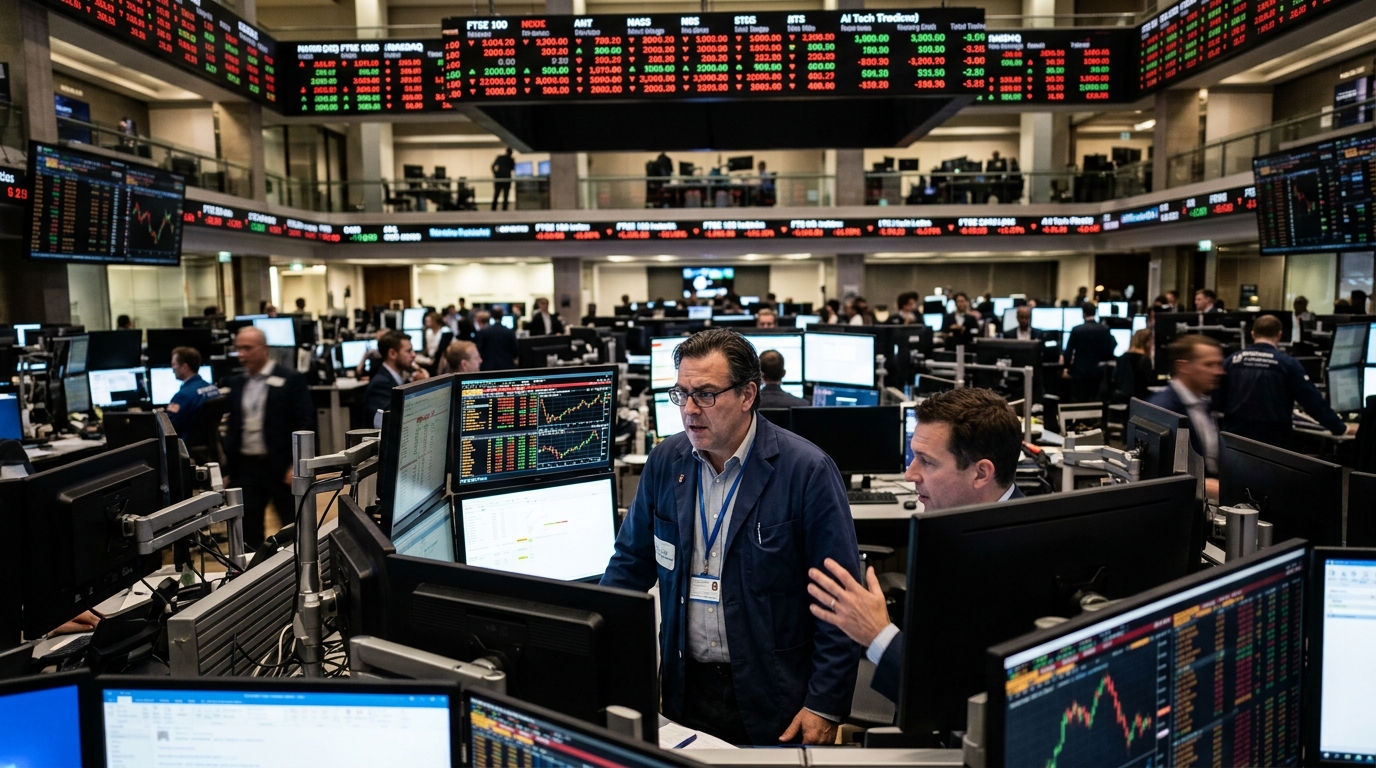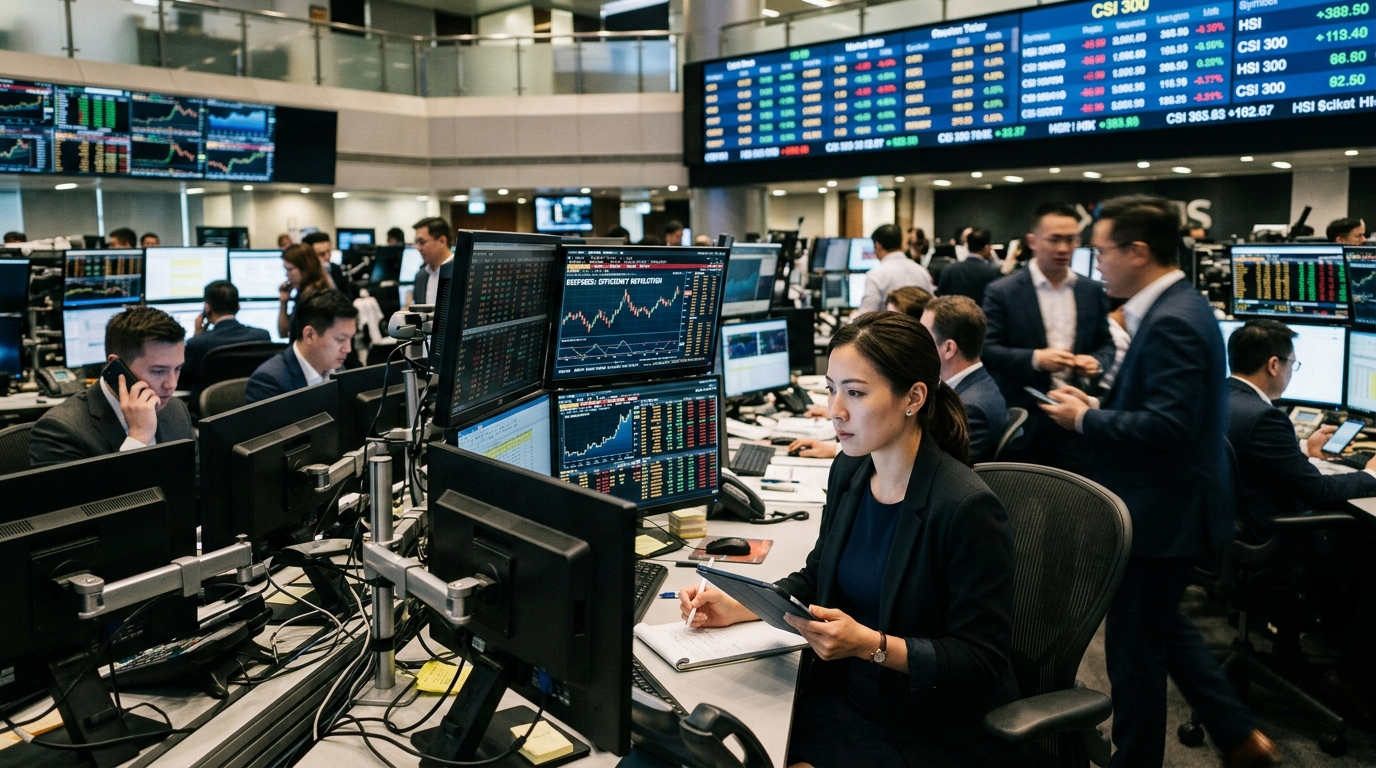
In the breakneck world of artificial intelligence, few names have generated as much shock and awe in recent months as DeepSeek. The Chinese AI firm, which began as a research lab under the umbrella of High-Flyer Quant, is now reportedly in discussions for a new funding round that could skyrocket its valuation to a staggering $45 billion. This move is not merely a piece of business news; it represents a fundamental shift in the technological geopolitical landscape, directly challenging the hegemony of American giants like OpenAI and Google.
DeepSeek’s ascent is remarkable not just for its velocity, but for its methodology. While Silicon Valley has largely relied on the "brute force" of massive compute clusters and billions of dollars worth of Nvidia GPUs, DeepSeek has demonstrated that clever architecture and algorithmic optimization can produce GPT-4 class results at a fraction of the cost. This "efficiency revolution" is precisely what is attracting investors now, despite the prevailing climate of uncertainty in US-China relations.
The Architecture of Success and Token Economics
The key to DeepSeek’s explosive valuation jump lies in its recent achievements, particularly with the DeepSeek-V3 and the subsequent R1 models. R1, which focuses on reasoning capabilities, managed to match the performance of OpenAI’s o1 model while using significantly fewer resources for training. According to analysts, DeepSeek spent approximately $6 million to train V3, whereas training comparable American models is estimated to cost hundreds of millions.
This disparity in costs translates into an aggressive pricing strategy that has disrupted the market. DeepSeek offers API access to its models at prices up to 20 times lower than its competitors. For enterprises looking to integrate AI into their operations, DeepSeek’s value proposition is economically irresistible. The new $45 billion valuation funding will reportedly be used to further expand its infrastructure and recruit top-tier talent globally, solidifying its position as the primary global challenger to OpenAI.
Geopolitics and the Response to Sanctions
The DeepSeek case takes on particular significance within the context of US export restrictions on high-end semiconductors to China. US sanctions, aimed at limiting China’s access to Nvidia’s H100 and B200 chips, were intended to slow Chinese AI progress. However, DeepSeek has proven that necessity is the mother of invention. Lacking access to unlimited hardware, Chinese engineers focused on software optimization.
- Multi-head Latent Attention (MLA): An innovation that drastically reduces memory requirements during inference.
- DeepSeekMoE: A Mixture-of-Experts architecture that activates only a fraction of the model for any given task, saving energy.
- FP8 Training: Utilizing lower precision during training, which allows for faster computations on older hardware.
These techniques have allowed DeepSeek to bypass, to some extent, the barrier of sanctions. The market now recognizes that China is not merely a follower but a pioneer capable of defining the future of AI under duress.
Economic Challenges and the Future of Investment
Despite the impressive valuation, the road to $45 billion is not without obstacles. Investors must weigh the geopolitical risks. There is always the possibility of further sanctions from Washington that could directly target DeepSeek or its backers. Furthermore, the Chinese government maintains strict control over AI-generated content, which could limit the creativity or global appeal of the models.
"DeepSeek isn't just selling AI; it's selling the proof that efficiency can defeat excess," says a leading tech market analyst in Beijing.
In conclusion, DeepSeek's attempt to raise capital at a $45 billion valuation is a milestone. If successful, it will confirm that the "cheap and smart" AI model is the future, forcing Silicon Valley to rethink its strategy. The battle for AI supremacy now flows through the ability of companies to do more with less, and in this arena, DeepSeek currently holds the lead.