At the dawn of the Artificial Intelligence (AI) era, the fear of job automation dominates discussions from corporate boardrooms to local cafes. However, there is one sector that is not only unthreatened but is experiencing an unprecedented renaissance: cybersecurity. As Generative AI tools become accessible to everyone—from teenagers in their bedrooms to organized criminal syndicates—the need for human talent capable of fortifying digital walls has never been more urgent.
The Double-Edged Sword of Automation
Artificial Intelligence acts as a power multiplier. For cybercriminals, this means the ability to create highly convincing phishing campaigns, automate the discovery of vulnerabilities in code, and use deepfakes to deceive corporate executives. In the past, a phishing attack could often be identified by poor grammar or syntax errors. Today, Large Language Models (LLMs) produce flawless prose in any language, making social engineering attacks nearly invisible to the untrained eye.
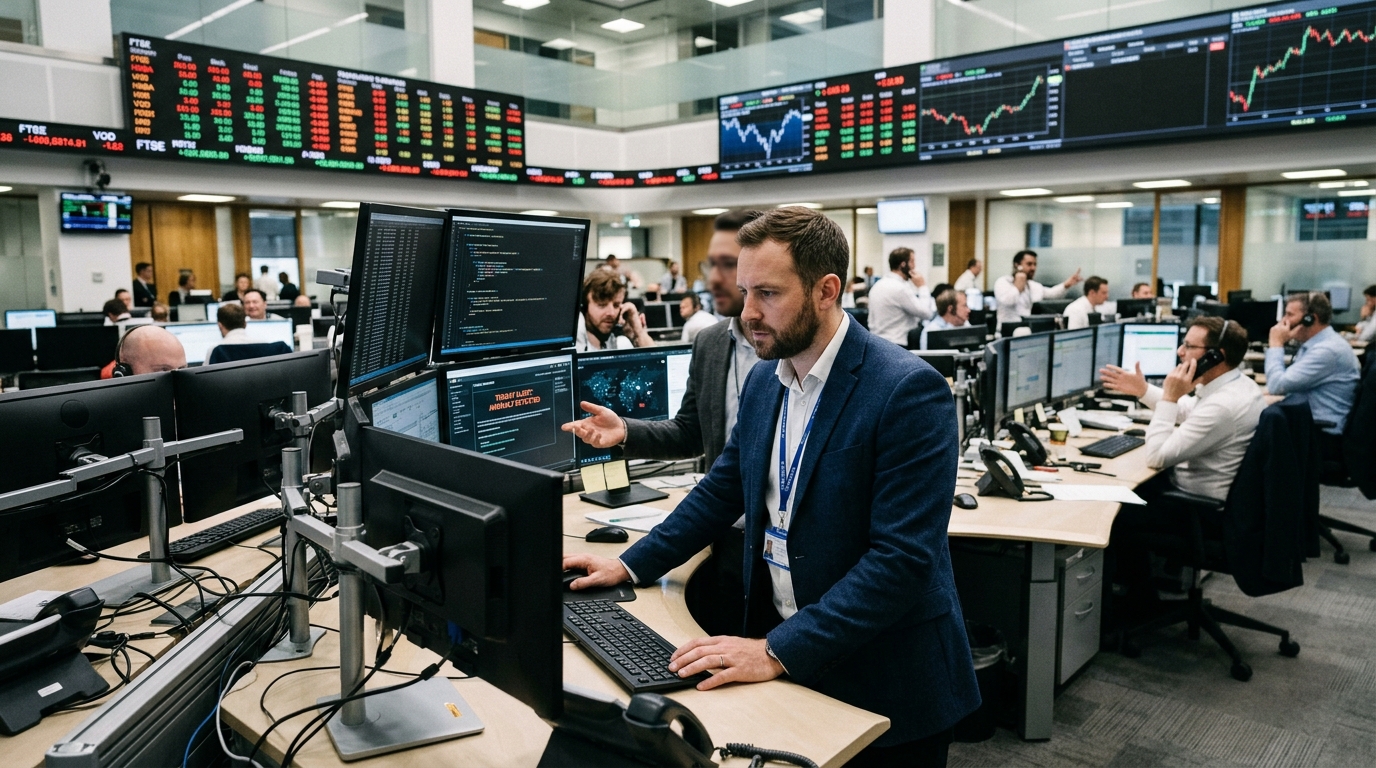
On the other hand, defenders are using the same technology to scan billions of data points in real-time, identifying anomalies that would be impossible for a human to notice. Yet, herein lies the paradox: the more we rely on AI for defense, the more we need experts who understand how to train, oversee, and correct these systems. AI is not replacing the security analyst; it is transforming them into a "cyber-strategist" who must stay steps ahead of evolving threats.
The Talent Gap and Economic Reality
According to recent industry data, there is a global deficit of nearly four million cybersecurity professionals. The rise of AI has widened this gap. Companies are no longer just looking for technicians who can configure a firewall; they are seeking data scientists specializing in security and professionals who can manage the ethics and governance of algorithms.
- Increased demand for AI Security Architects.
- Need for specialists in deepfake detection and mitigation.
- A shift toward Machine Learning-enhanced "Zero Trust" architectures.
- Focus on software supply chain resilience and integrity.
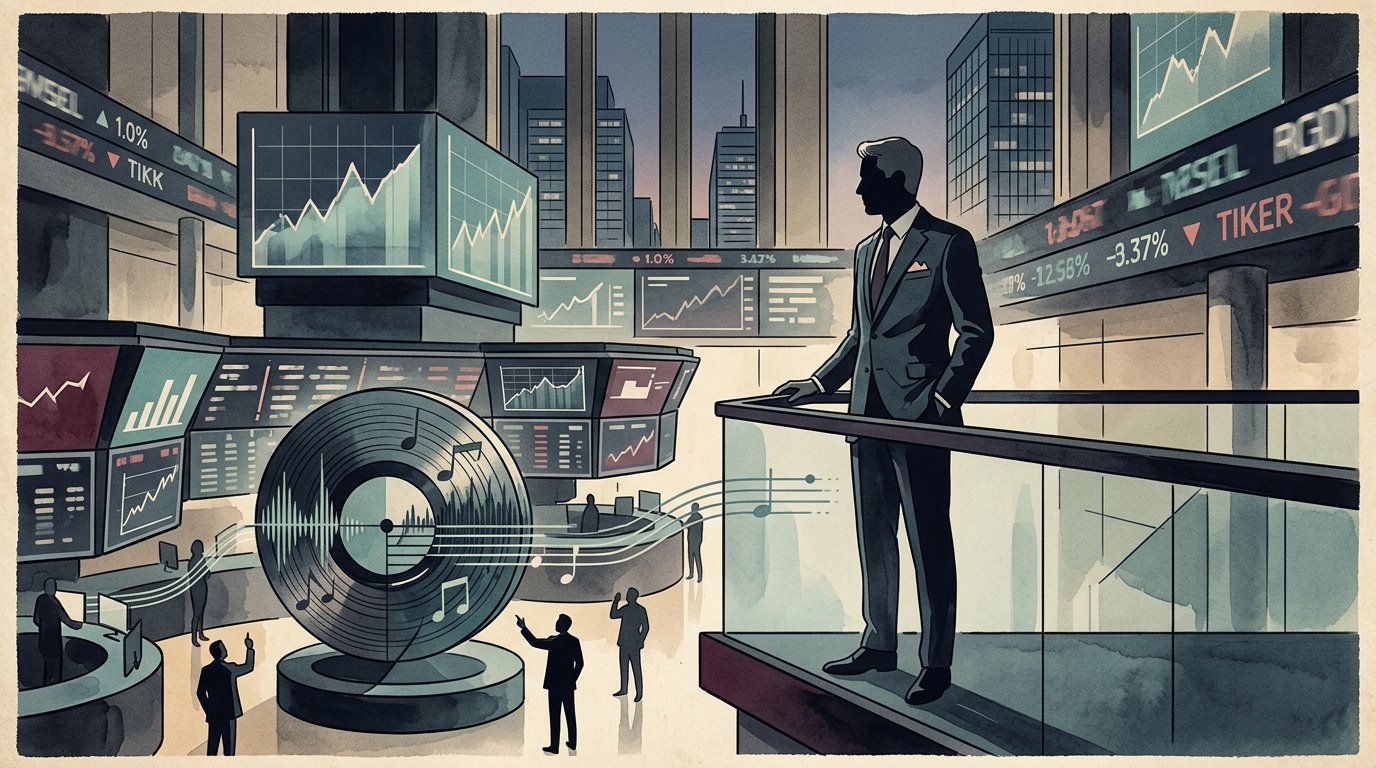
Salaries in the field have skyrocketed, reflecting the criticality of the role. On Wall Street and in Silicon Valley, experienced cybersecurity analysts are now considered as valuable as top-tier AI developers. Security is no longer an "IT expense" but a fundamental prerequisite for business continuity and customer trust.
Human Intuition in the Digital Age
Despite technological progress, cybersecurity remains a game of wits between humans. AI can identify a pattern, but it cannot understand the motivations or the creative ingenuity of a human attacker. The experts of the future will need to combine technical proficiency with psychological analysis and strategic thinking.
"AI will write the code, but humans must decide whether that code serves ethics or destruction," says a senior executive at a leading security firm.
In conclusion, the AI era does not bring the end of work in cybersecurity, but a new, more demanding phase. Professionals who manage to harness AI tools will be the architects of our digital freedom. Investing in education and training in these fields is not just a career choice; it is a national and global priority for the stability of the global economy.