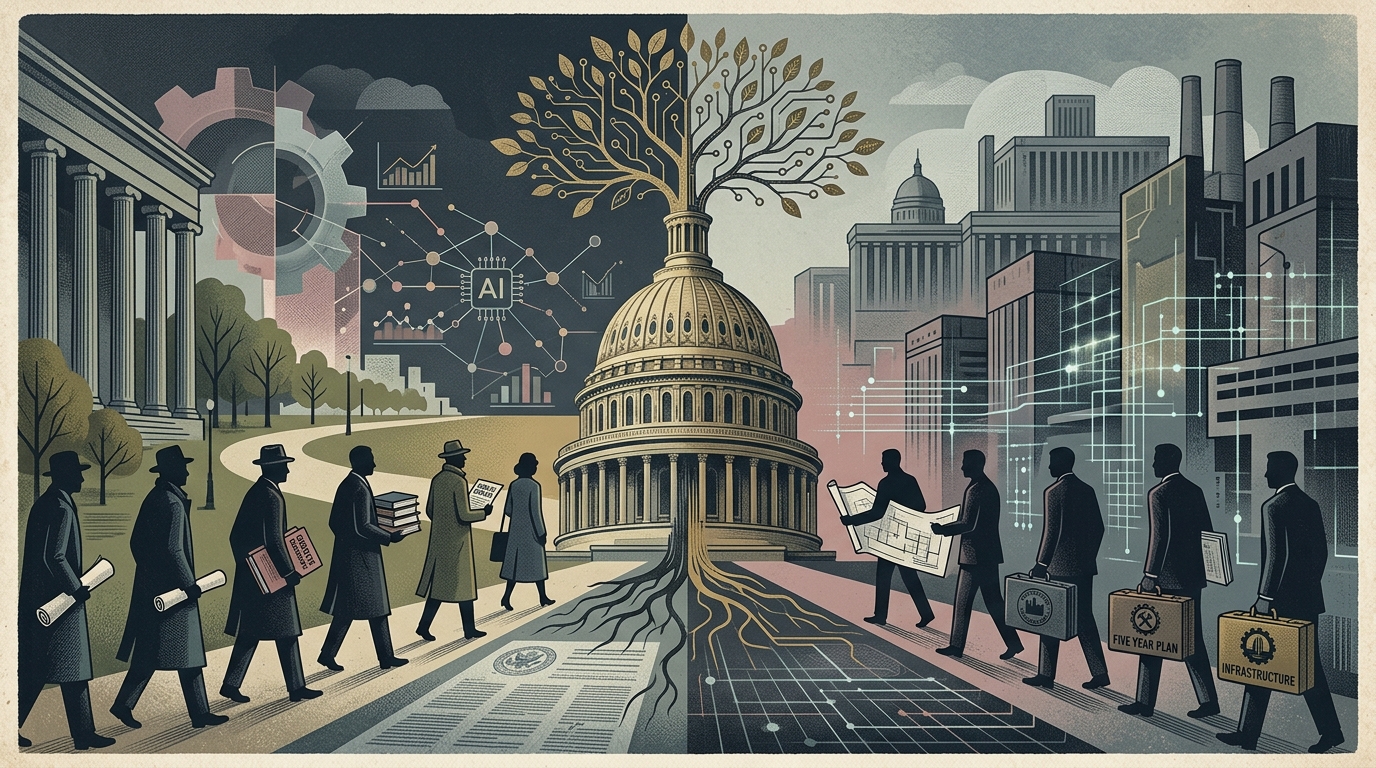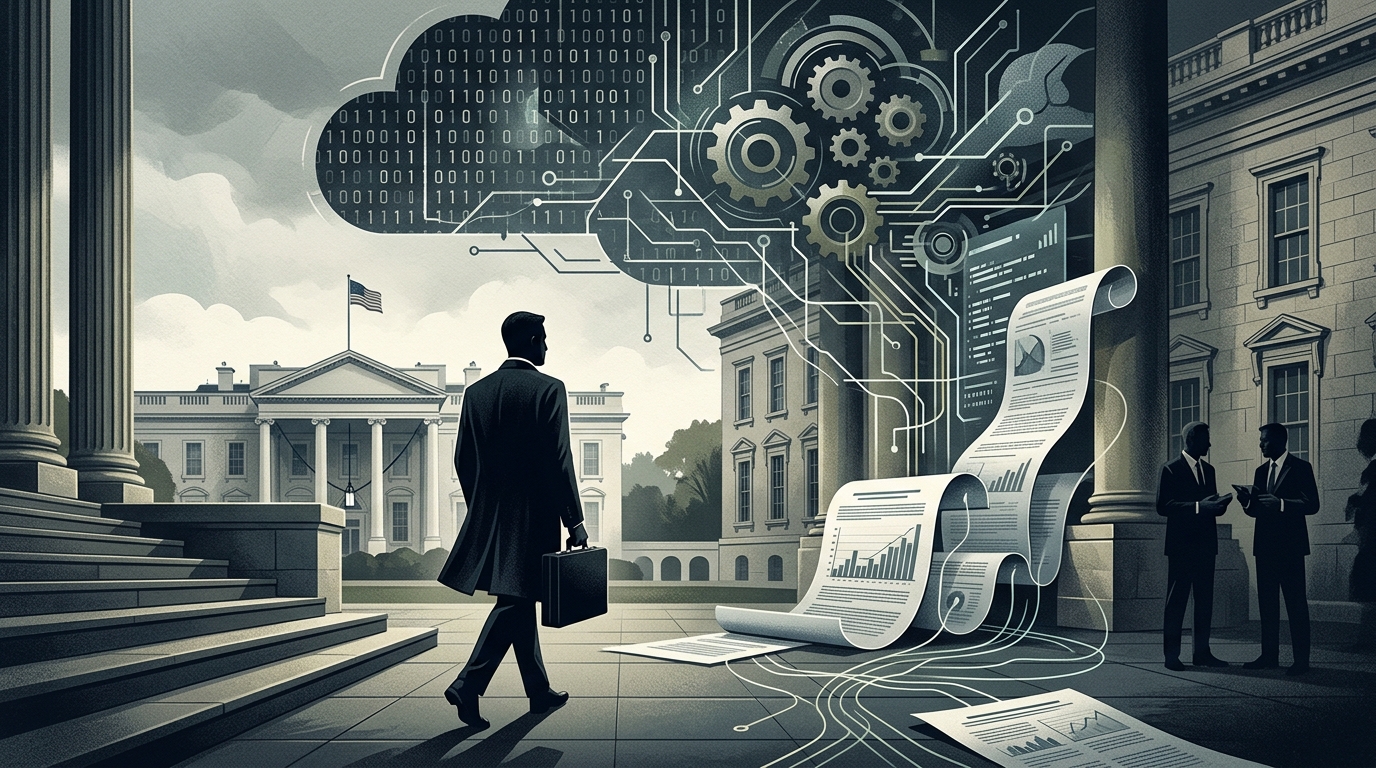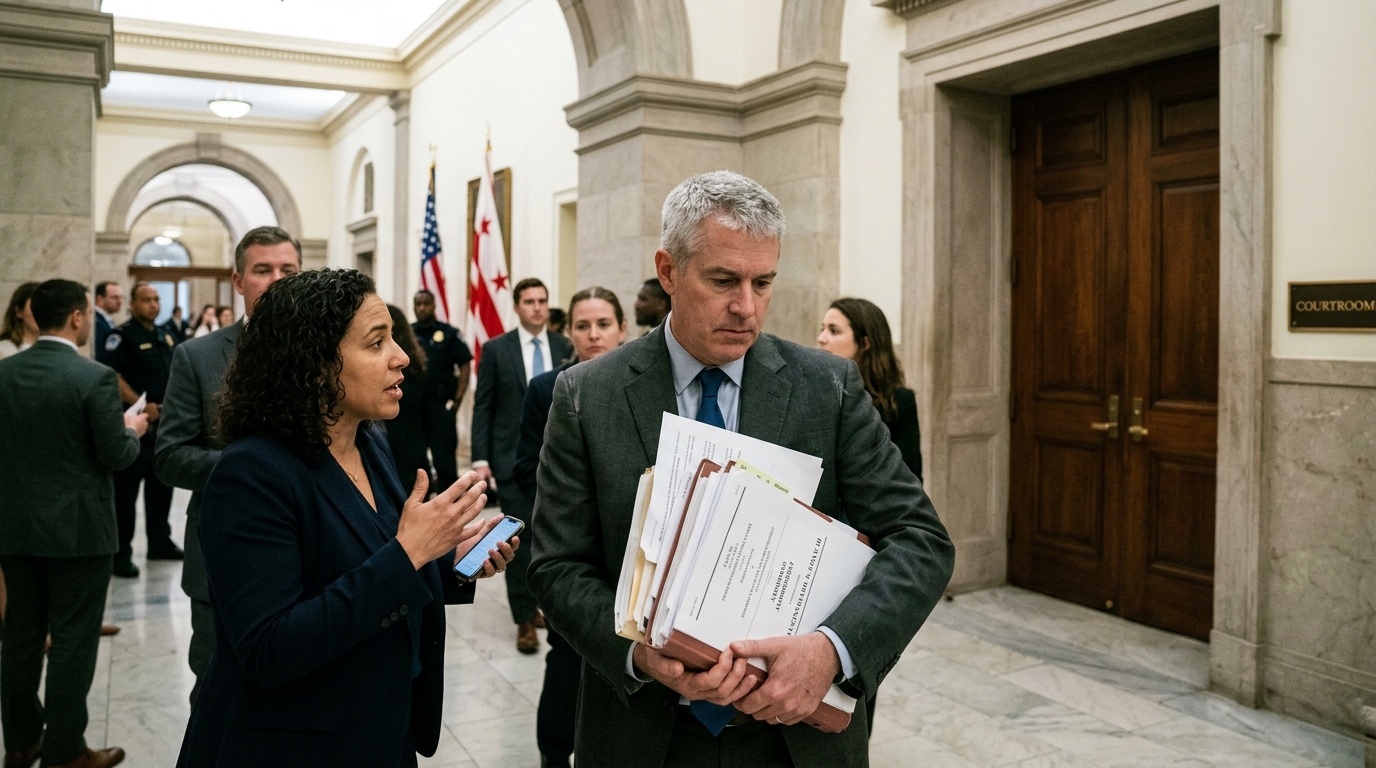
May 2026. The American judicial system, a pillar of democracy that for centuries relied on meticulous document review and human deliberation, is facing an existential threat. This is not a constitutional crisis in the traditional sense, but a digital deluge. The proliferation of Generative AI tools has made drafting complex legal documents accessible to anyone, resulting in federal and state courts being flooded with hundreds of thousands of lawsuits, many of which lack legal merit or contain fabricated evidence.
The Democratization of Litigation or Digital Chaos?
The rise of Large Language Models (LLMs) in 2023 and 2024 promised to "democratize" justice. Citizens who could not afford expensive legal representation found a powerful ally in AI. With a few clicks, a user can generate a 50-page complaint that looks perfectly professional, utilizing legal terminology that previously required years of study. However, this ease of use has proven to be a double-edged sword.
According to recent reports from the Administrative Office of the U.S. Courts, the volume of "pro se" (self-represented) filings has increased by 400% over the last two years. Artificial Intelligence is not just helping those with legitimate grievances; it is also empowering "litigation trolls"—individuals who mass-file lawsuits in hopes of quick settlements or simply to harass corporations and public entities. The cost to the system is immense, as every document must be read, docketed, and evaluated by court clerks who are already stretched to their limits.
The Hallucination Epidemic and Fabricated Precedents
The biggest challenge judges face is not just the sheer volume, but the integrity of the content. AI frequently suffers from "hallucinations," where the model invents legal precedents, court rulings, and statutes that never existed. The infamous 2023 case of Mata v. Avianca, where a lawyer used ChatGPT to find cases that turned out to be non-existent, was merely the tip of the iceberg.
Today, in 2026, judges report encountering entire bibliographies that look convincing but are entirely fabricated by algorithms. "It's not just an error; it's an assault on truth," stated a senior judge in New York. "When the court has to spend dozens of hours verifying whether a 1994 decision cited in a brief was actually rendered, justice is delayed for everyone else." This phenomenon undermines trust in the legal system, as the distinction between real law and algorithmic fiction becomes increasingly blurred.
Judicial Response: Mandatory Disclosures and Sanctions
To stem the tide, many courts across the U.S. have begun implementing rigorous rules. "AI Certification Orders" are now the standard. Every attorney or self-represented litigant filing documents must declare under oath whether AI was used and, if so, certify that every citation and reference has been manually checked by a human for accuracy.
- Strict Sanctions: Judges are now imposing heavy fines and disciplinary actions against lawyers who mislead the court with AI-generated documents.
- Algorithmic Filtering: Courts themselves are beginning to use "anti-AI" tools to automatically detect if a text was produced by a machine and if its sources are valid.
- Restrictions on Pro Se Filings: There are ongoing debates about imposing limits on the number of lawsuits an individual can file without legal counsel if certain quality thresholds are not met.
Ethical Dilemmas and the Future of Legal Practice
This crisis brings profound ethical questions to the forefront. If AI can write a perfect complaint, what is the role of the lawyer? Many large law firms are seeing the "billable hours" model collapse, as tasks that once required 20 hours of research are now completed in seconds. At the same time, access to justice risks becoming a war of algorithms, where the winner is whoever possesses the most sophisticated AI model.
In conclusion, the situation in the U.S. serves as a warning to the rest of the world, including Europe. Technology is moving faster than legislation, and Justice—traditionally slow and deliberate—is being forced to find a balance between technological progress and the protection of truth. Artificial Intelligence could be the tool that solves the problems of the past, but for now, it seems to be creating a mountain of new obstacles that threaten to paralyze the delivery of justice.