For decades, the phrase "Made in China" was synonymous with mass low-cost production, cheap plastics, and imitations of Western products. However, as we move through the second half of the 2020s, this narrative has completely collapsed. China is no longer just the "world's factory"; it has transformed into an incubator of powerful brands that do not merely seek to survive in international markets but to dominate them. From food chains like Haidilao and Heytea to technology and sportswear giants like BYD and Anta, China’s new outward expansion is redrawing the global map of consumption.
The Lifestyle Revolution: Tea and Hotpot
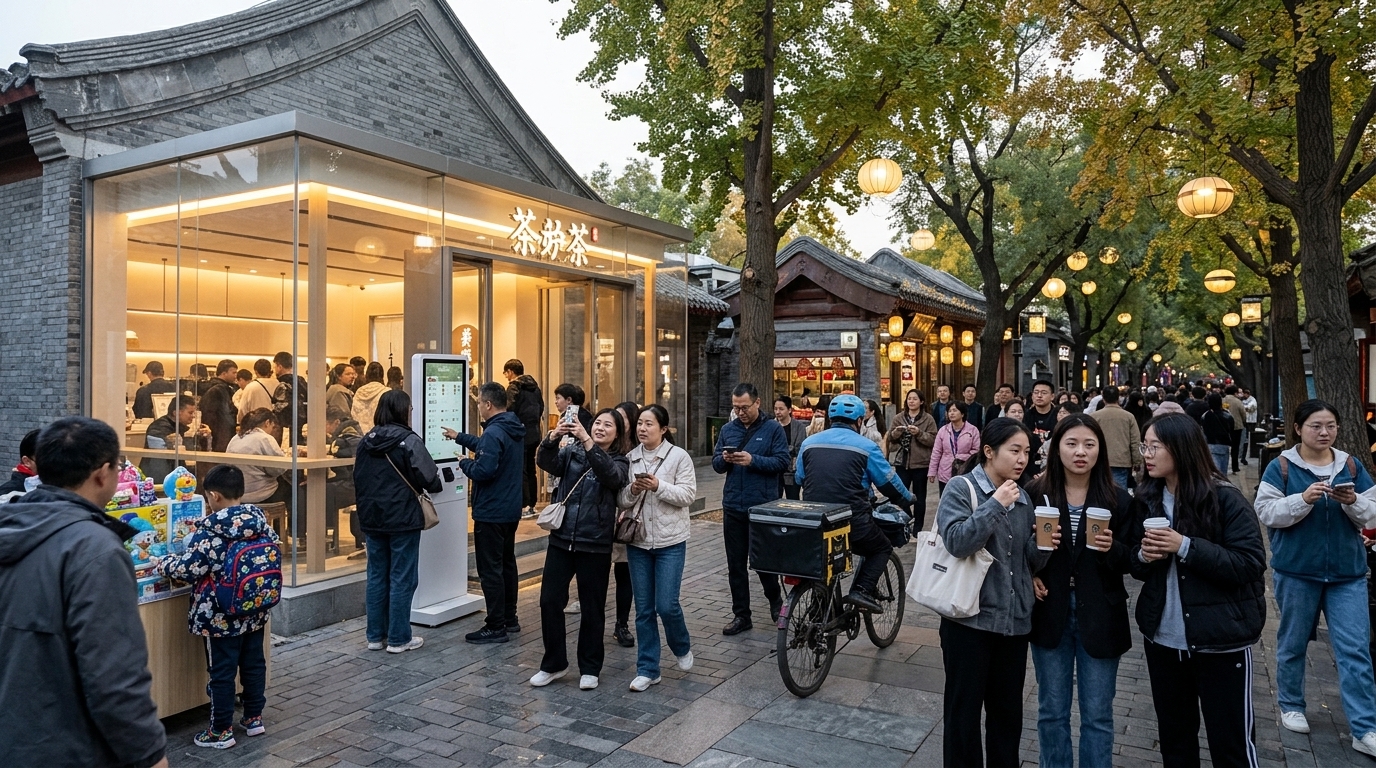
The front line of the Chinese offensive is not necessarily found in silicon chips, but on the consumer's plate and in their cup. Chains like Luckin Coffee and Heytea have managed to export Chinese consumption culture in a way that recalls the global dominance of Starbucks three decades ago. Luckin, having overcome its 2020 accounting scandal, now boasts thousands of stores across Southeast Asia, offering tech-forward ordering solutions that make Western competitors look antiquated.
In the dining sector, Haidilao, famous for its legendary customer service (ranging from free manicures to noodle-pulling shows during wait times), has become the new standard for "experiential dining" in London, New York, and Sydney. These companies are not just selling food; they are selling an experience that is both deeply Chinese and globally appealing. Their success is built on China’s massive domestic market, which served as the ultimate testing ground for scale and efficiency.
Tech and Mobility: The Case of BYD and Xiaomi
If dining is the "soft power," electric vehicles (EVs) are the heavy industry causing tremors in Western capitals. BYD (Build Your Dreams) has already dethroned Tesla in sales volume during several quarters, offering vehicles that combine advanced battery technology with prices that the European and American auto industries struggle to match. Xiaomi’s entry into the EV market in 2024 marked a turning point, proving that an electronics brand can transfer fan loyalty into an entirely new product category.
The strategy of these companies is clear: vertical integration. By controlling the supply chain from battery raw materials to vehicle software, Chinese firms offer a package that is no longer "cheap" but "value for money" in high-tech terms. This dynamic has forced the European Union and the US to resort to tariffs and protective measures—a move many analysts view as an admission of Western manufacturers' inability to innovate at the same pace.
Sportswear and the Challenge to the Giants
In the sportswear sector, Anta and Li-Ning are no longer limited to being local alternatives to Nike and Adidas. Through the acquisition of international brands like Amer Sports (which includes Wilson and Salomon), Anta has evolved into a global player with a multi-layered portfolio. The rise of "Guochao" (the trend of Chinese consumers preferring domestic brands that incorporate cultural elements) has provided these companies with the capital and confidence to expand into the West.
Their success is based on speed. While a traditional Western company might take 12 to 18 months to bring a new design to market, Chinese firms, utilizing real-time data and agile manufacturing, can complete the cycle in less than 6 months. This "digital Darwinism" allows Chinese brands to adapt to fashion trends and consumer needs with lightning speed.
Geopolitics and the Future of "Created in China"
Despite commercial success, the road is not without obstacles. Rising geopolitical tensions between Beijing and Washington, as well as concerns over data security and human rights, create a hostile environment for many Chinese brands. The case of TikTok remains the most prominent example of a company that, while achieving cultural dominance, found itself in the crosshairs of legislative bans.
However, the trend seems irreversible. Generation Z consumers worldwide show less attachment to a product's origin and more emphasis on value, innovation, and digital experience. "Created in China" is now a seal of quality that competes head-on with German cars, French luxury goods, and American technology. China is no longer just exporting goods; it is exporting lifestyle standards and technological ecosystems, forcing the West to rethink the foundations of its own competitiveness.