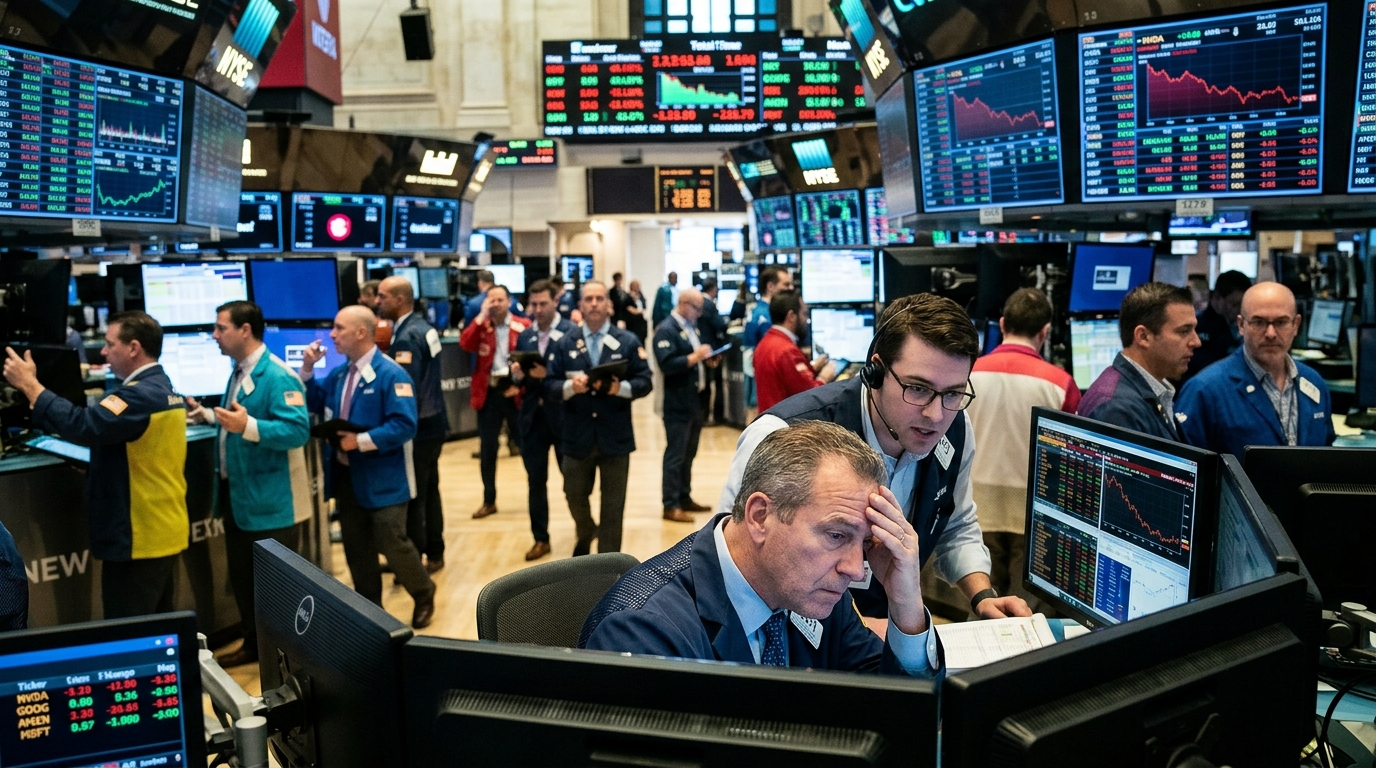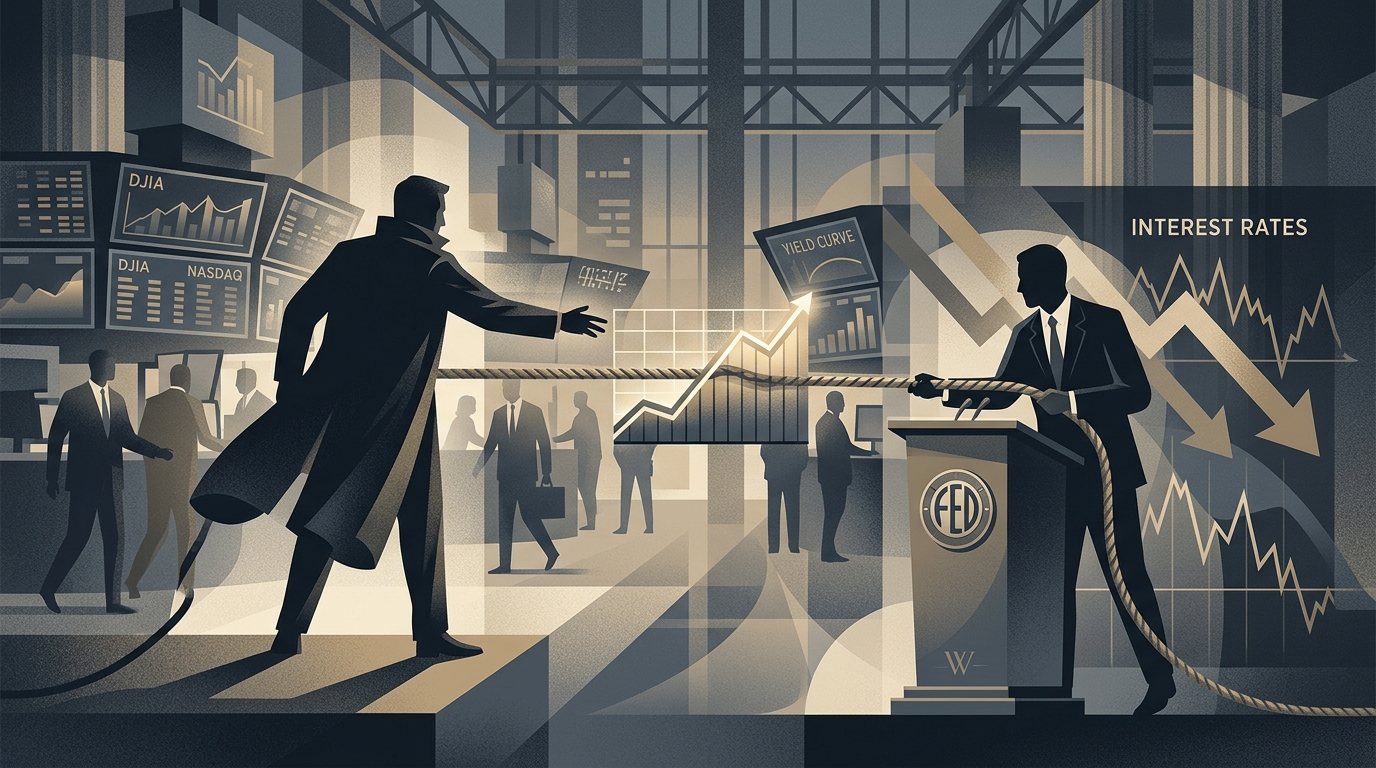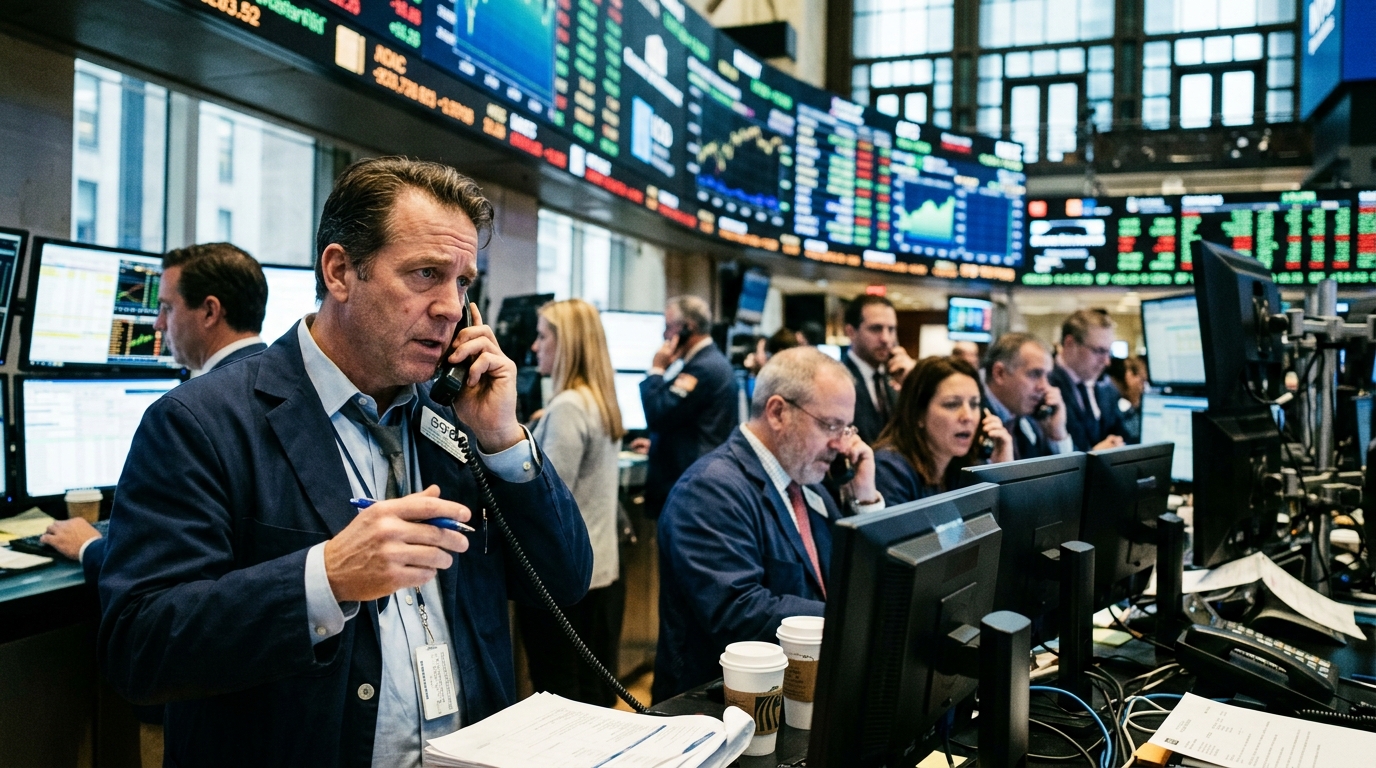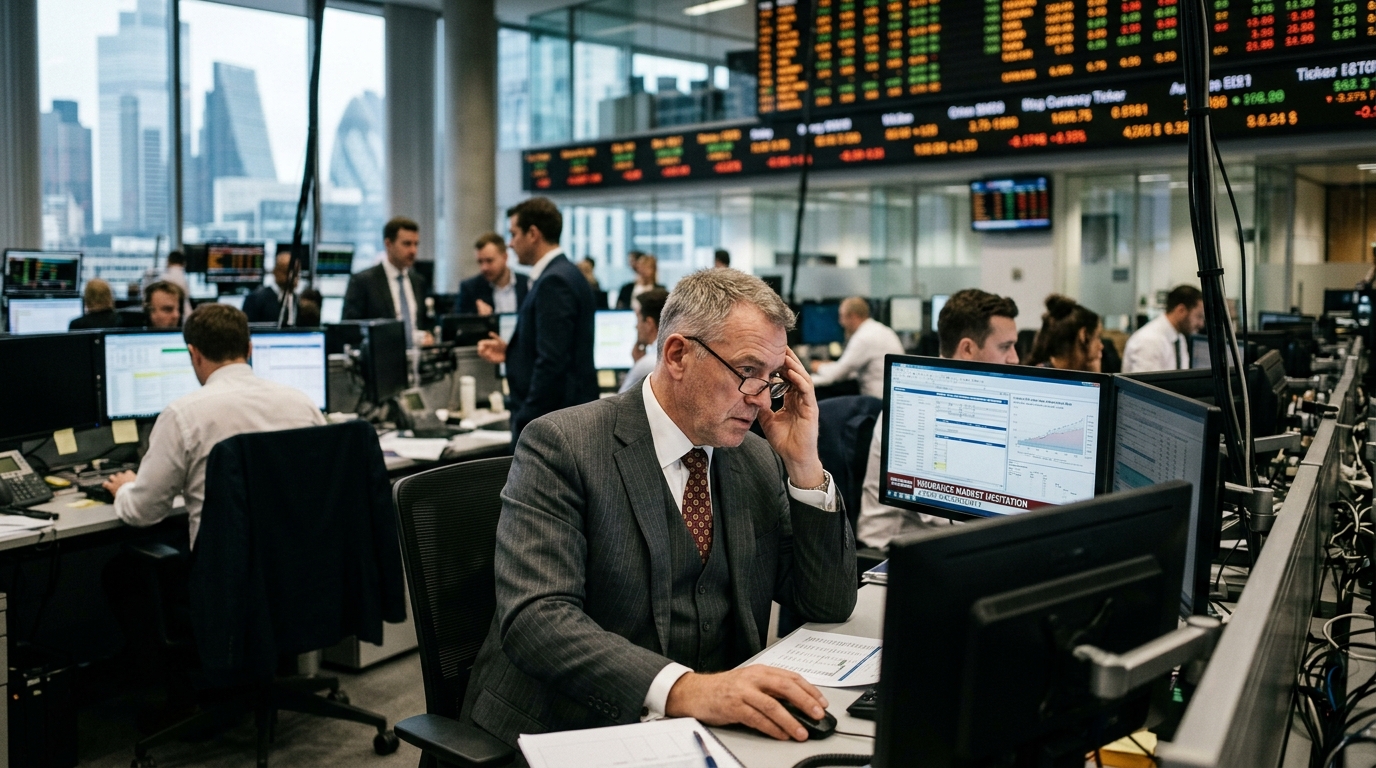
In the high-stakes world of global finance, trust is the currency, but uncertainty is the ultimate enemy. Today, as Generative AI is woven into the fabric of international commerce, a paradox is emerging: while corporations are rushing to adopt the technology, the guardians of stability—the insurance giants—are taking a calculated step back. The hesitation of titans like AXA, Allianz, and Munich Re to offer comprehensive coverage for AI-related risks has created a multi-billion dollar protection gap, one that agile startups are now racing to fill.
The Actuarial Deadlock
Why do traditional insurers, who have survived world wars and global pandemics, fear an algorithm? The answer lies in the nature of data. Insurance is built on history. Actuaries require decades of loss data to calculate the probability of an accident or failure. With AI, there is no past. Models change weekly, risks are emergent, and the consequences—ranging from copyright infringement to 'hallucinations' leading to flawed medical or financial advice—are notoriously difficult to quantify.
Furthermore, there is the specter of systemic risk. If thousands of companies rely on the same underlying model from OpenAI or Google, and that model suffers a critical failure or a logic collapse, the insurer could face simultaneous claims from its entire portfolio. This 'digital pandemic' scenario makes AI a risk that many legacy players currently deem 'uninsurable' in its total scope.
The Rise of AI-Native Startups
Where the giants see peril, startups see a massive market opening. Companies like Armilla AI, Robust Intelligence, and specialized syndicates within Lloyd’s of London are developing new products known as 'AI performance guarantees.' These firms don't just use traditional financial tools; they use AI itself to audit their clients' algorithms.
- Model Auditing: Before a policy is issued, the startup runs thousands of 'stress tests' on the AI model to identify bias or vulnerabilities.
- Dynamic Pricing: Premiums are not static but adjust based on the real-time performance and safety metrics of the algorithm.
- Intellectual Property Coverage: Specific policies that protect companies from litigation if their AI generates content that looks too much like protected work.
This new generation of insurers acts more like a technology consultancy than a passive provider of coverage. Their approach is 'insurtech' in its purest form: technology is simultaneously the product and the assessment tool.
The Regulatory Catalyst: The EU AI Act
In Europe, the landscape is further complicated—and clarified—by the implementation of the AI Act. The legislation imposes strict transparency and safety requirements for 'high-risk' systems. While this increases compliance costs, it simultaneously creates a baseline for the insurance market. When there are clear rules on what constitutes 'safe AI,' insurers can finally begin to price the risk accurately. The regulatory framework provides the 'guardrails' that traditional finance needs to feel comfortable stepping back into the ring.
"Insurance isn't just a safety net; it's the catalyst for innovation. Without it, large enterprises will always be afraid to floor the accelerator on AI adoption," says a leading market analyst.
The Future: A Hybrid Alliance
It is unlikely that startups will completely displace the giants. The more probable scenario is a hybrid partnership. Startups will provide the technical expertise and the auditing tools, while the legacy insurers will provide the capital depth (reinsurance) to back up claims in the event of a catastrophe. The shift from 'property insurance' to 'algorithmic insurance' is perhaps the most significant change in the industry since the Industrial Revolution. For now, the market remains a 'Wild West,' where only those who truly understand the code dare to sign the policy.