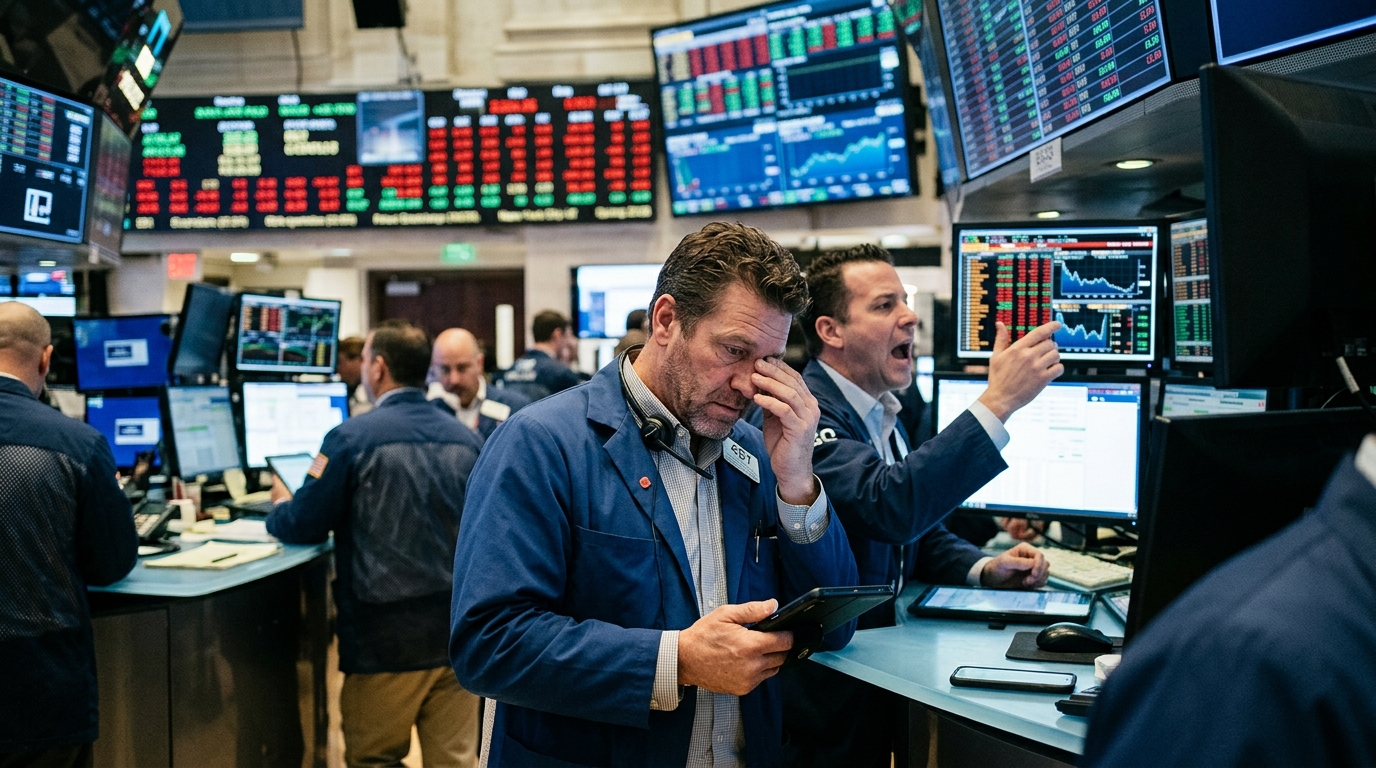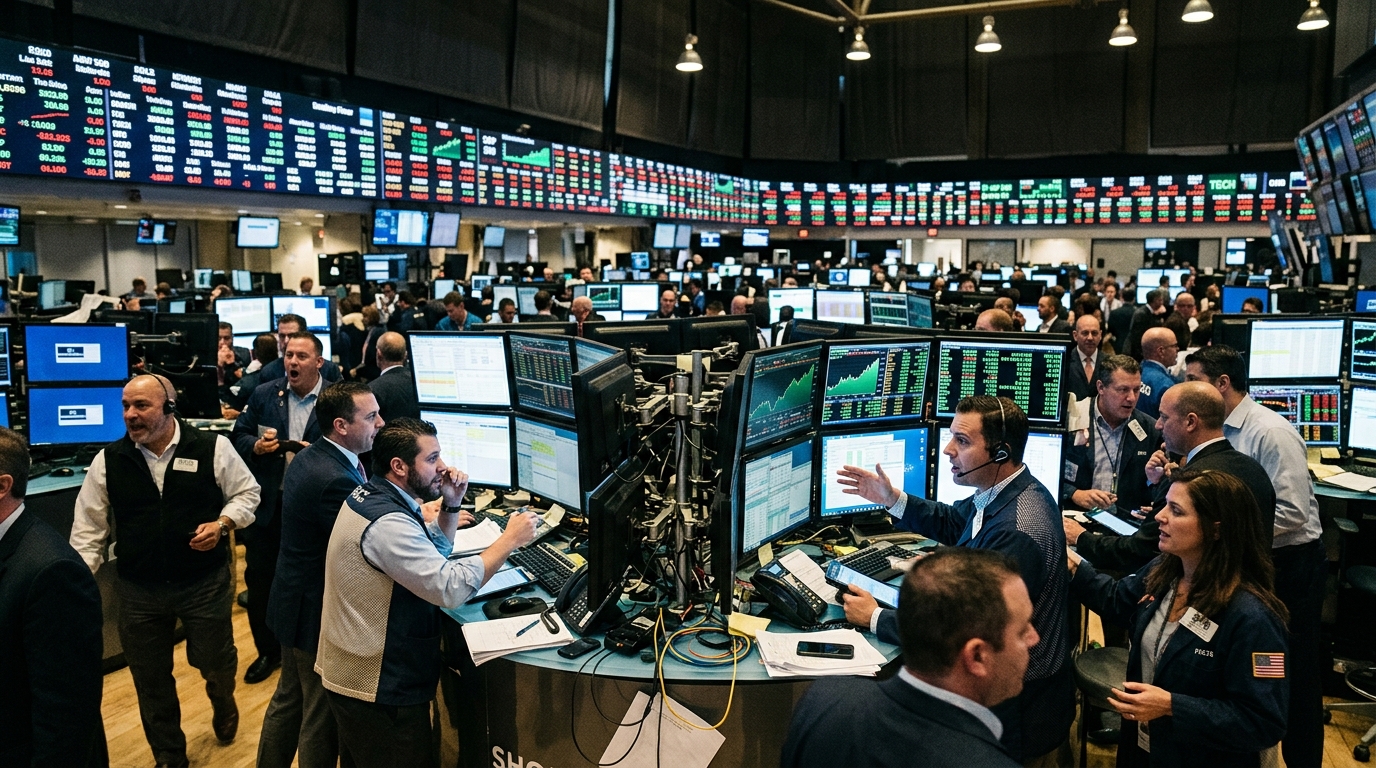
In a period where traditional economic indicators should logically lead to a prolonged recession or at least a significant market correction, the stock market continues to defy gravity. The reason is singular: Artificial Intelligence (AI). Once again, Wall Street has found a "kiss of life" in a sector that promises not just incremental improvements, but a radical restructuring of global productivity. As we move through April 2026, AI's dominance in capital markets is no longer a speculation, but an established reality that separates the winners from the losers of the new era.
The Decoupling from Interest Rates
Historically, high interest rates were "poison" for tech stocks, as they increase borrowing costs and reduce the present value of future earnings. However, the cycle that began in 2023 and continues into 2026 has overturned this rule. Tech giants, the so-called "Hyperscalers," possess such vast cash reserves that they are not only unaffected by rates but actually benefit from them, while simultaneously investing billions in AI infrastructure. The market no longer views these companies as mere "growth stocks," but as the new "safe havens" of the digital economy.
The current surge differs fundamentally from the dot-com bubble of 2000. Back then, companies had promises but no profits. Today, Nvidia, Microsoft, Google, and Meta are showing real, measurable revenue derived directly from AI integration. Demand for processing chips and cloud services remains at record levels, pushing the S&P 500 and Nasdaq to new all-time highs, even as the Federal Reserve maintains a conservative stance.
From Hardware to Software: The Second Wave
If 2024 and 2025 were the years of hardware, where Nvidia reigned supreme, 2026 marks the transition to the second wave: the application of AI in software and services. Businesses worldwide have stopped experimenting and have begun integrating AI agents into their daily operations. This has led to an explosive increase in productivity, allowing companies to maintain high profit margins despite inflationary pressures on wages.
- Decision-Making Automation: Algorithms now manage supply chains with precision exceeding the human factor.
- Personalization at Scale: Marketing and sales have been transformed, increasing conversion rates and revenue.
- Operational Cost Reduction: AI in customer service and code generation has drastically reduced expenses for large enterprises.
This "transformation" is what keeps investors optimistic. It is not a speculative mania but a fundamental change in how value is produced. Analysts point out that if we were to remove the AI sector from the last year's returns, the stock market would be essentially flat or in negative territory. AI is not just a sector; it is the life raft of the entire financial system.
The Risks of Concentration
Despite the euphoria, there are shadows. Market concentration in a few powerful players is higher than ever. This creates a systemic risk: if one of these companies faces trouble—whether due to regulation or a technological failure—the entire structure could be shaken. Furthermore, the energy cost of AI is starting to become a bottleneck. The power requirements for data centers are so colossal that tech companies are now investing directly in nuclear power and renewable sources to secure their operations.
"Artificial Intelligence acts as a powerful deflationary force in a world burning with inflation. It is the only force that can increase supply and efficiency without requiring more human labor," says a leading Wall Street analyst.
In conclusion, AI "saved" the stock market by providing a new growth narrative in an era of uncertainty. As we move deeper into 2026, the challenge will be maintaining these growth rates and avoiding an overvaluation that could lead to a hard landing. For now, digital intelligence remains the undisputed protagonist of the global economic stage.