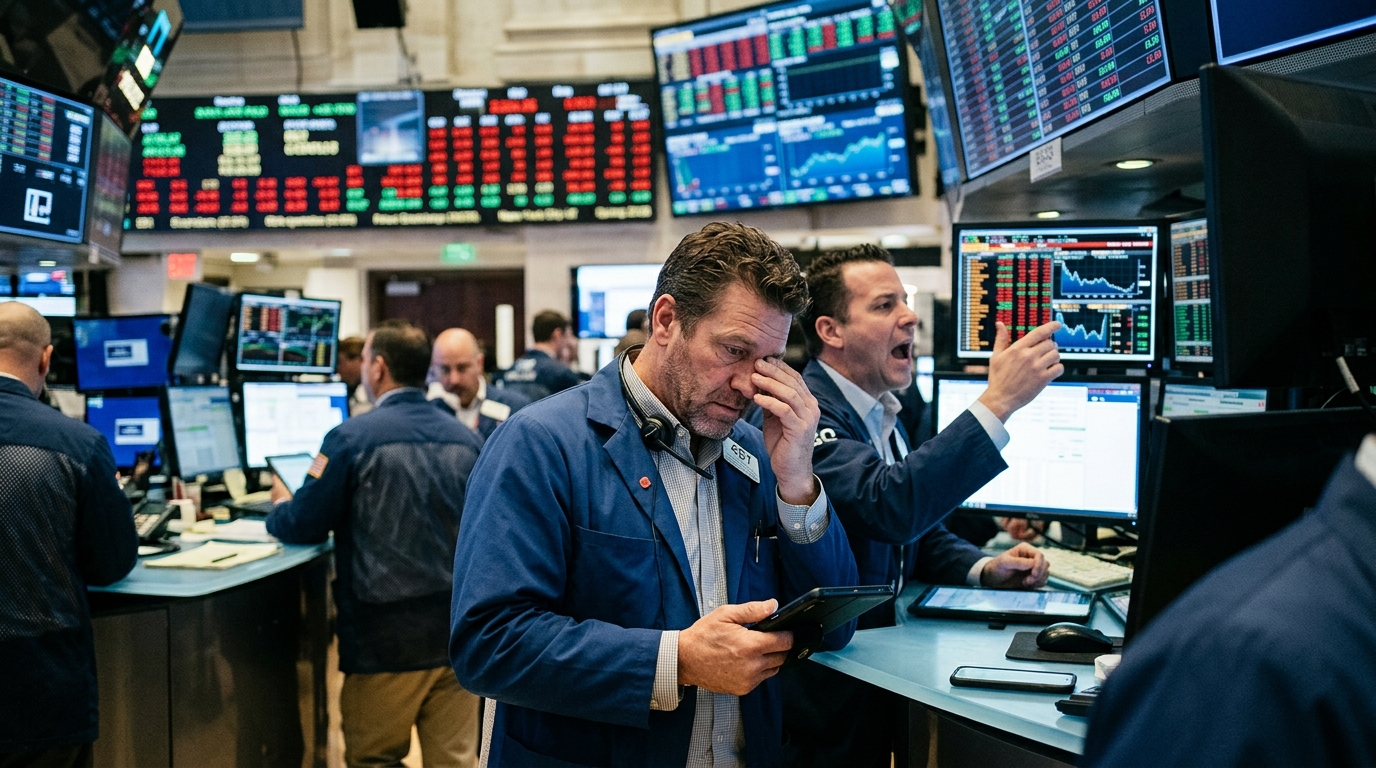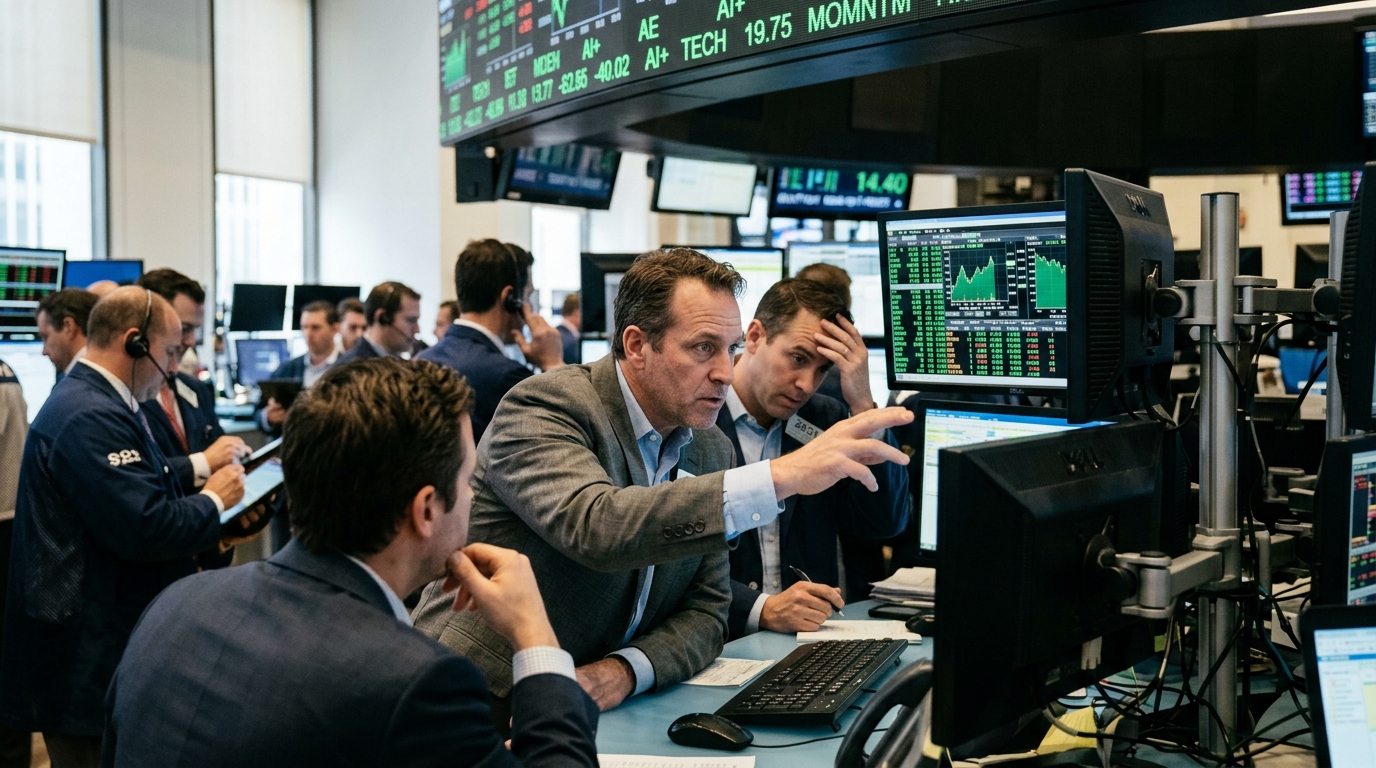
On May 25, 2026, the global financial landscape is confronting a paradox that will be etched into the annals of market history. While geopolitical tensions in the Middle East and the escalating conflict in Iran threaten to derail global growth and spike energy costs, Artificial Intelligence (AI) linked stocks are propelling the MSCI World Momentum Index to its best performance since its inception. This is a demonstration of power that transcends mere speculation, suggesting a structural shift in how capital perceives value and security in an increasingly volatile world.
The Anatomy of a Historic Surge
The momentum investing strategy is built on a simple yet potent premise: stocks that have risen most in the recent past tend to continue their upward trajectory. In the current environment, this translates into a massive concentration of capital into an elite group of companies that aren't just producing software, but the very infrastructure of future humanity. From next-generation semiconductor manufacturers to quantum cloud providers, AI has become the undisputed engine of the global markets.
According to the latest data, the momentum index has surged by over 45% since the start of the year, leaving traditional sectors like energy and banking in the dust. The difference this time, compared to the 1990s dot-com bubble, is profitability. The companies leading the charge are not just presenting promises; they possess unprecedented cash reserves and profit margins that insulate investors from rising interest rates and inflationary pressures.
The Shadow of War and Tech Resilience
The most striking element of the current juncture is the near-total decoupling of tech stocks from geopolitical risk. Ordinarily, a war in Iran would trigger a flight to safety—gold or government bonds. However, in 2026, AI is being treated as the new 'safe haven.' Investors are betting that the need for automation, cybersecurity, and energy efficiency—fields where AI excels—will only intensify during periods of global crisis.
"We are not just seeing a market trend; we are witnessing the pricing-in of a new industrial revolution that moves at light speed, indifferent to borders and conventional conflicts," says a senior strategist at Goldman Sachs.
The crisis in Iran has caused ripples in supply chains, but the market's response has been to pour even more capital into companies developing autonomous logistics and AI-driven manufacturing, reducing reliance on human labor in unstable regions.
From Hardware to Software: Phase Two
If 2024 and 2025 were the years of Nvidia and hardware, 2026 marks the transition to the dominance of software and specialized applications. 'Momentum Stocks' now include firms integrating AI into medical diagnostics, legal research, and architecture. This widening of the rally’s base is what provides the index with its newfound stability.
- Dominance of the Giants: Microsoft, Alphabet, and Apple continue to form the backbone of momentum portfolios.
- Emergence of New Players: European and Asian firms specializing in 'Green AI' are aggressively entering the indices.
- Institutional Pivot: Pension funds have increased their exposure to momentum stocks to an all-time high, seeking returns that outpace stubborn inflation.
Risks and the Bubble Prospect
Despite the euphoria, skeptical voices remain. The extreme concentration of capital in a handful of stocks creates a systemic risk of collapse should earnings expectations fail to materialize. History has shown that when momentum breaks, the descent is often sharp and violent. However, AI proponents argue that current valuations are justified by the exponential productivity gains the technology offers.
The remaining question is whether the global economy can withstand the dual shock of a regional war and a radical technological transition. For now, the markets have provided their answer: the momentum of AI is stronger than the fears of the past. As we move into the second half of 2026, tracking these stocks is no longer just a matter of profit, but of understanding what the post-crisis world will look like.