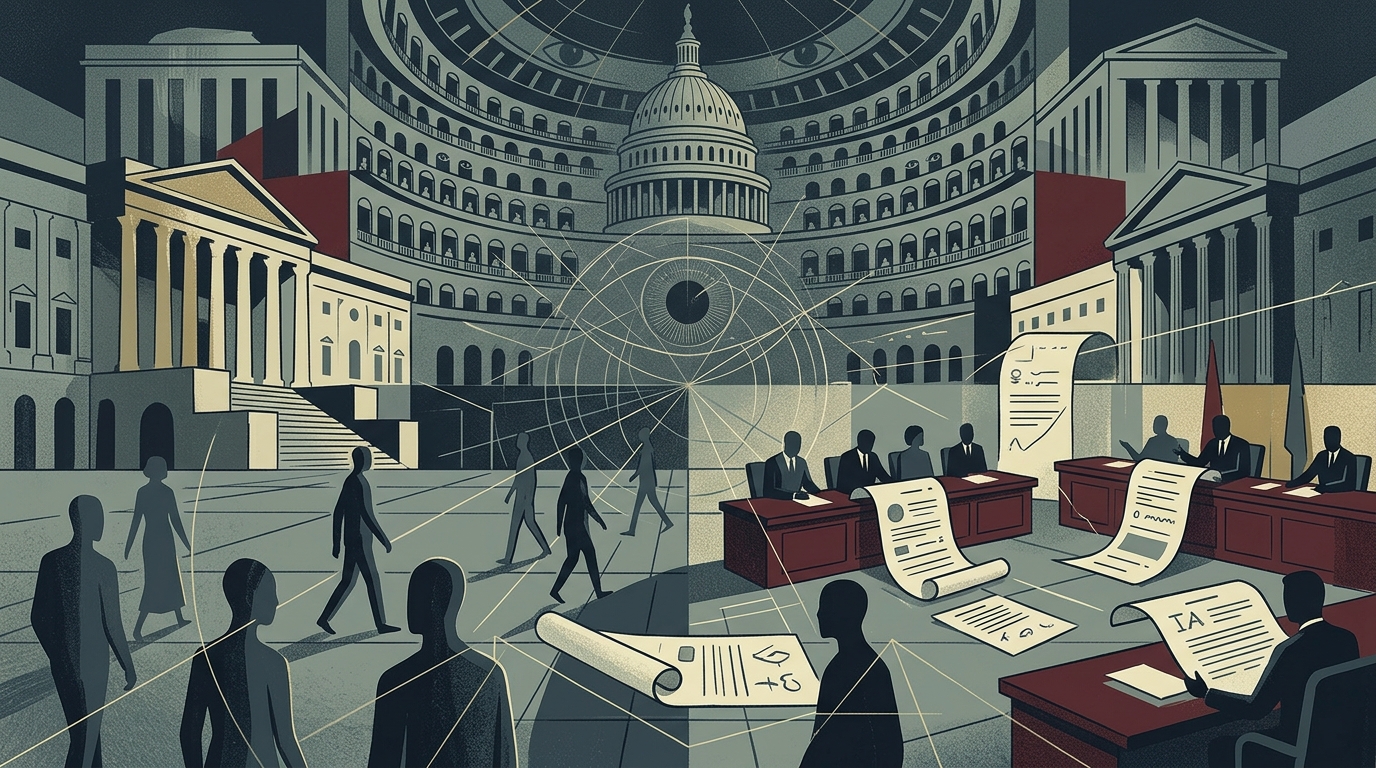
As we move through the first half of 2026, the euphoria surrounding Large Language Models (LLMs) has matured into a more complex reality: the rise of Agentic AI. While 2024 and 2025 were the years of "copilots"—assistants helping employees draft emails or summarize long documents—2026 marks the era of "agents." These are systems that don't just suggest; they execute complex tasks autonomously. However, a recent summit of Chief Information Officers (CIOs) highlighted a stark truth: this technology will remain stuck in pilot purgatory unless enterprises dare to radically redesign their internal processes.
From Assistance to Agency
The fundamental difference between the Generative AI we first encountered and Agentic AI lies in agency. An AI agent can receive a high-level command—such as "process this insurance claim and notify the customer"—and navigate multiple software systems, check databases, make rule-based decisions, and complete the transaction autonomously. This goes far beyond simple text generation. It is the transition from "thinking" to "doing."
However, the problem facing today's organizations is that their processes were designed for humans. They involve bureaucratic hurdles, manual sign-offs, and data silos that act as insurmountable walls for a digital agent. As tech leaders point out, adding an autonomous agent to an obsolete process is like putting a jet engine on a horse-drawn carriage; you’ll likely just destroy the carriage.
Redesign as a Prerequisite for Scale
To scale Agentic AI, enterprises must adopt what analysts are calling "Business Process Re-engineering (BPR) 2.0." This means processes shouldn't just be digitized; they must be built from the ground up with autonomy in mind. Traditional workflows often rely on "tacit knowledge" held by experienced employees. For AI agents to function, this knowledge must be codified, and data must be made accessible via modern APIs.
- Data Consolidation: Agents require a "single source of truth." If customer data is scattered across five different legacy systems that don't talk to each other, the agent will fail.
- Redefining Approval Loops: Traditional hierarchical approvals must be replaced by "smart contracts" and operational boundaries within which the agent can move freely.
- API-First Architecture: Every tool used by the enterprise must have interfaces that allow AI to interact with it without the need for a human-centric user interface (UI).
The Governance and Trust Challenge
One of the biggest hurdles to redesign is not technical, but cultural. Trust in machine-led decision-making remains fragile. CIOs emphasize that to allow an agent to redesign a supply chain or manage budgets, rigorous AI Governance frameworks must be in place. This includes creating "digital guardrails" that monitor agent activity in real-time.
"It is no longer about replacing humans, but about reallocating human intelligence to areas AI cannot touch, leaving the execution of processes to the agents," a prominent tech executive noted during the summit.
In this new ecosystem, the human role shifts from "executor" to "supervisor" and "strategist." This shift requires a workforce reskilling effort on a scale not seen since the Industrial Revolution. Companies that refuse to grapple with the complexity of this redesign will soon find themselves owning expensive AI tools that fail to deliver expected ROI, leading to what many fear: an AI "winter of disillusionment."