In the wake of the 2020 pandemic, the global consensus among market analysts was clear: the era of the traditional office was over. Remote work was hailed as the definitive future, and urban centers worldwide braced for a permanent exodus. Fast forward to May 2026, and the narrative has taken a startling turn. The very technology many feared would eliminate the need for human proximity—Artificial Intelligence—is now the primary engine driving a massive resurgence in commercial real estate demand.
The Geography of Innovation: Why AI Needs Physical Walls
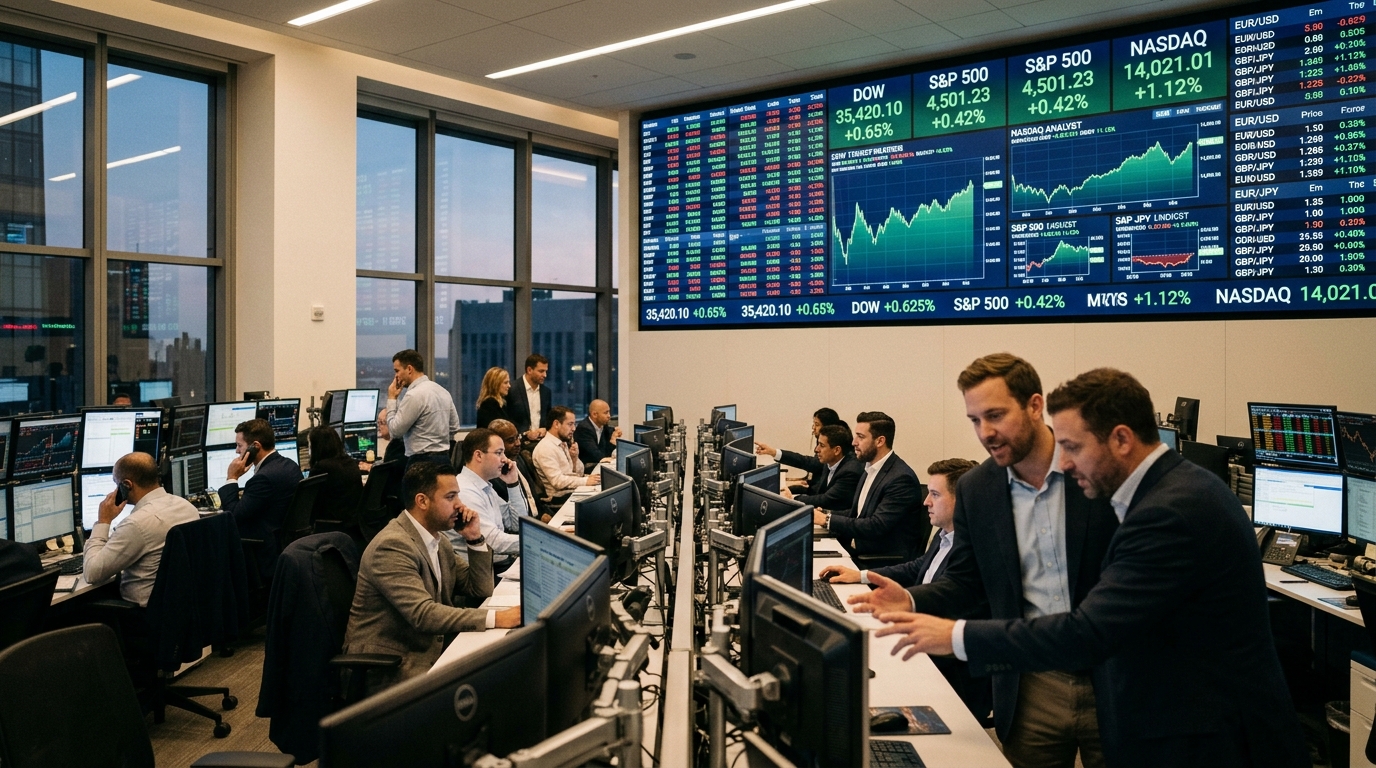
The explosion of Generative AI has done more than just generate code and prose; it has created an urgent, almost desperate need for physical collaborative spaces. Industry titans like OpenAI and Anthropic, alongside a fleet of well-funded startups, are aggressively leasing high-end 'Class A' office spaces in key tech corridors. In San Francisco, a city that was prematurely written off as a victim of the 'urban doom loop,' AI companies have become the market's savior, snapping up millions of square feet.
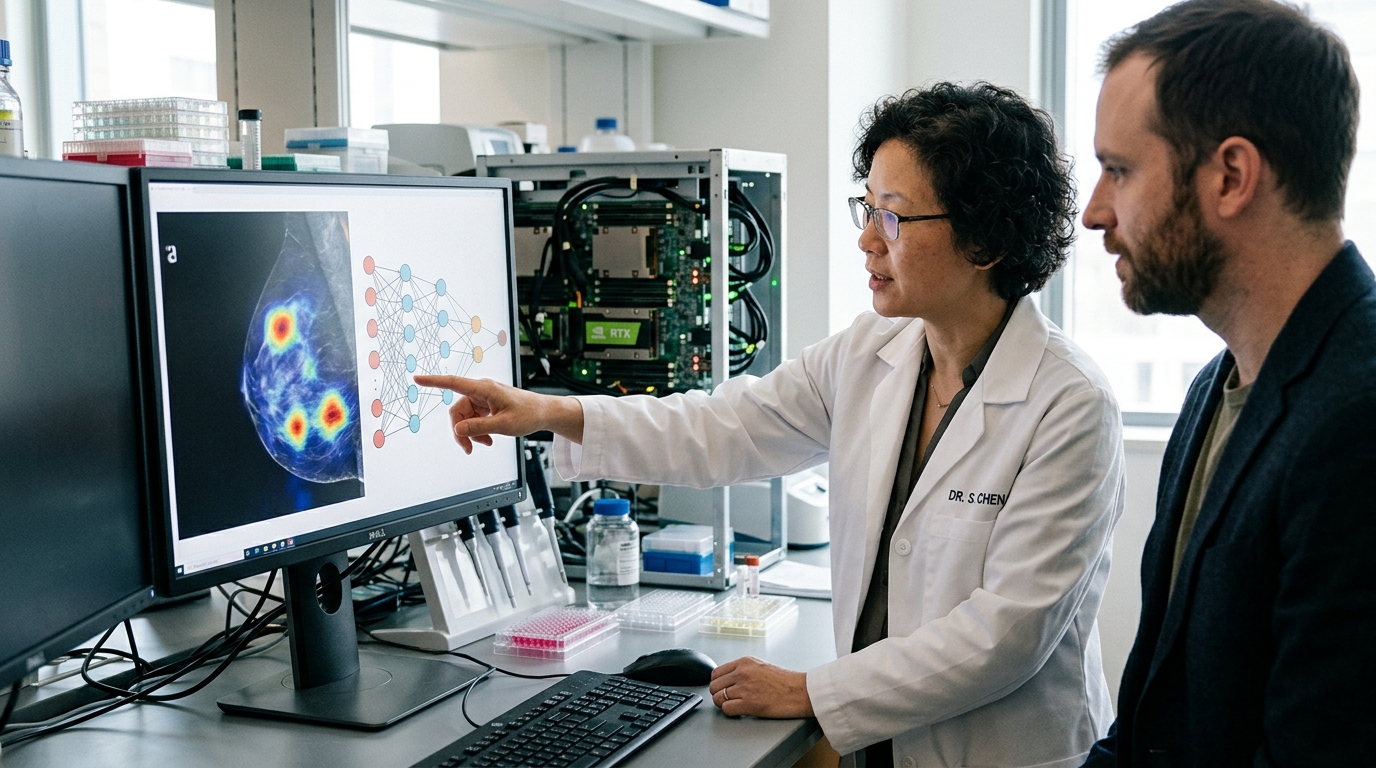
The rationale for this physical centralization is simple: speed. Developing frontier AI models is an incredibly complex, high-stakes endeavor that requires constant, high-bandwidth communication between engineers, researchers, and product leads. The 'serendipitous hallway encounter' that solves a logic bottleneck or a hardware integration issue cannot be easily replicated via Zoom or asynchronous messaging. Furthermore, the need for secure environments to handle proprietary data and the proximity to specialized hardware clusters make the office an essential laboratory rather than a mere administrative hub.
Economic Bifurcation: The Rise of Tech Hubs
The AI-driven recovery in the office market is not a rising tide lifting all boats. Instead, we are witnessing a sharp bifurcation in the commercial real estate (CRE) sector. While older, mid-tier buildings continue to struggle with high vacancy rates and debt restructuring, 'intelligent' buildings in cities like San Francisco, London, Seattle, and Paris are seeing premium rents and low availability. AI firms aren't just looking for desks; they are looking for prestige, massive power capacity for local testing rigs, and environments that can attract the world's most competitive talent.
Recent data indicates that AI-related leasing activity has surged by approximately 45% year-over-year in major US hubs. This trend creates a powerful multiplier effect for local economies. Where an AI anchor tenant settles, a secondary ecosystem of service providers, retail, and hospitality inevitably follows. This is revitalizing urban districts that had been dormant for years, proving that density still matters in the digital age—provided that density is fueled by high-value innovation.
Beyond the Valley: A Global Phenomenon
While Silicon Valley remains the epicenter, the AI real estate boom is going global. London has solidified its position as Europe’s AI capital, with Google and Microsoft expanding their research footprints significantly. Paris is also emerging as a major contender, supported by favorable government policies and a surge in local AI talent. This global competition for space suggests that the AI boom is not a localized bubble but a structural shift in how tech companies value physical presence.
For investors, this shift necessitates a change in strategy. The focus has moved from general office portfolios to 'innovation-ready' assets. Buildings that offer high connectivity, sustainable energy solutions, and modular floor plans are the new gold standard. The office is no longer a place where people go to work; it is a place where people go to invent, and that distinction is making all the difference in the balance sheets of real estate investment trusts (REITs).
Conclusion: The Office as a Creative Laboratory
The prediction that technology would isolate us in home offices was only half-right. While administrative roles may remain hybrid or remote, the vanguard of the AI revolution is doubling down on physical synergy. Artificial Intelligence, the most transformative force of our century, requires the absolute concentration of human intelligence in specific geographic nodes. For the real estate market, the mantra of 'location, location, location' has been updated to 'innovation, infrastructure, and interaction.' The office isn't dead; it's just being reprogrammed by the very algorithms it helped create.