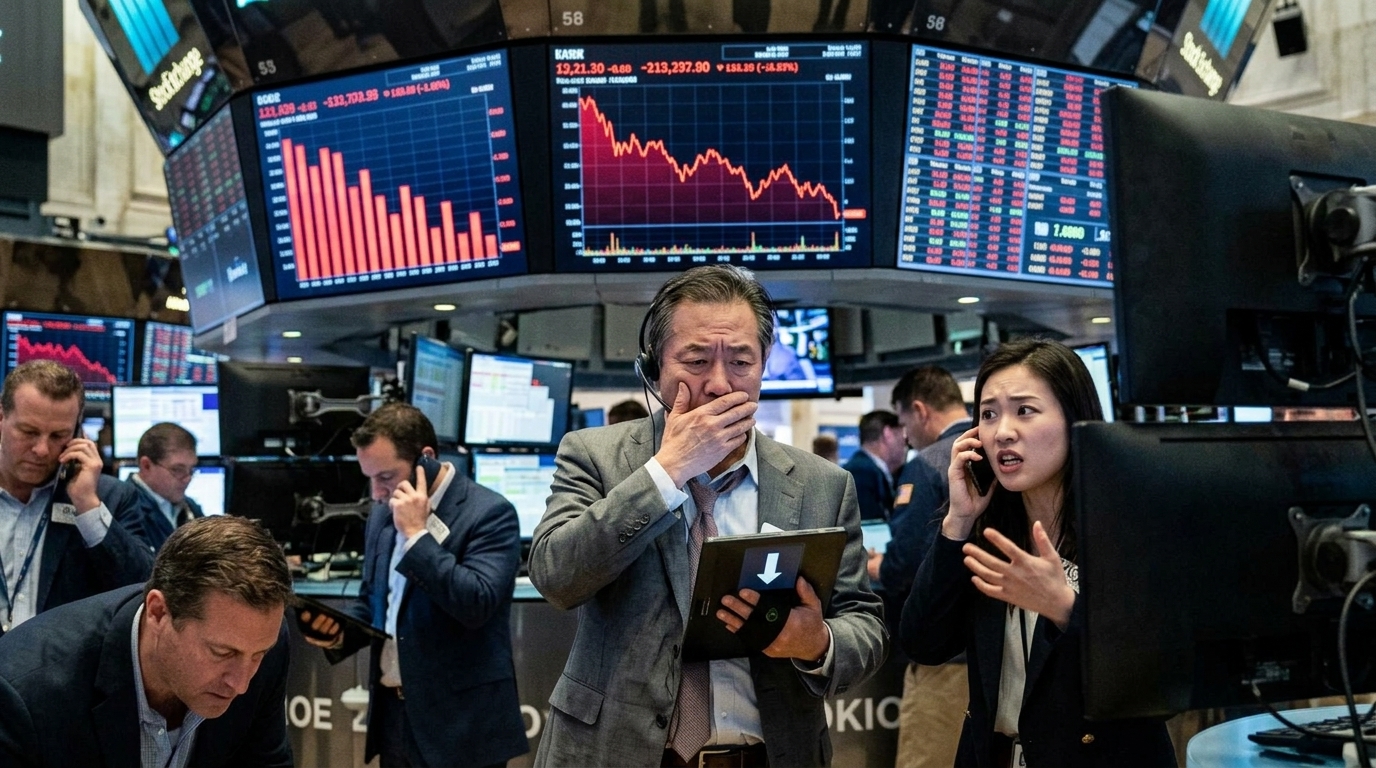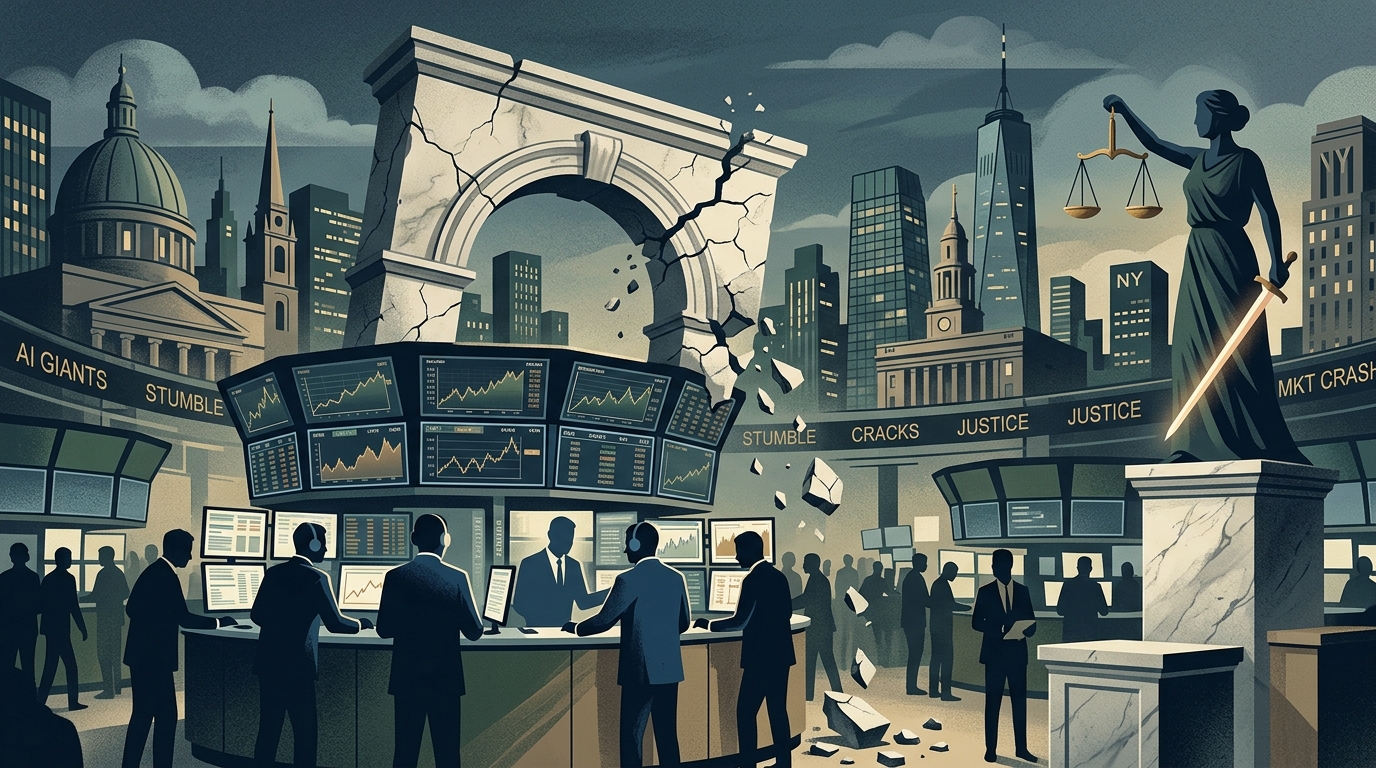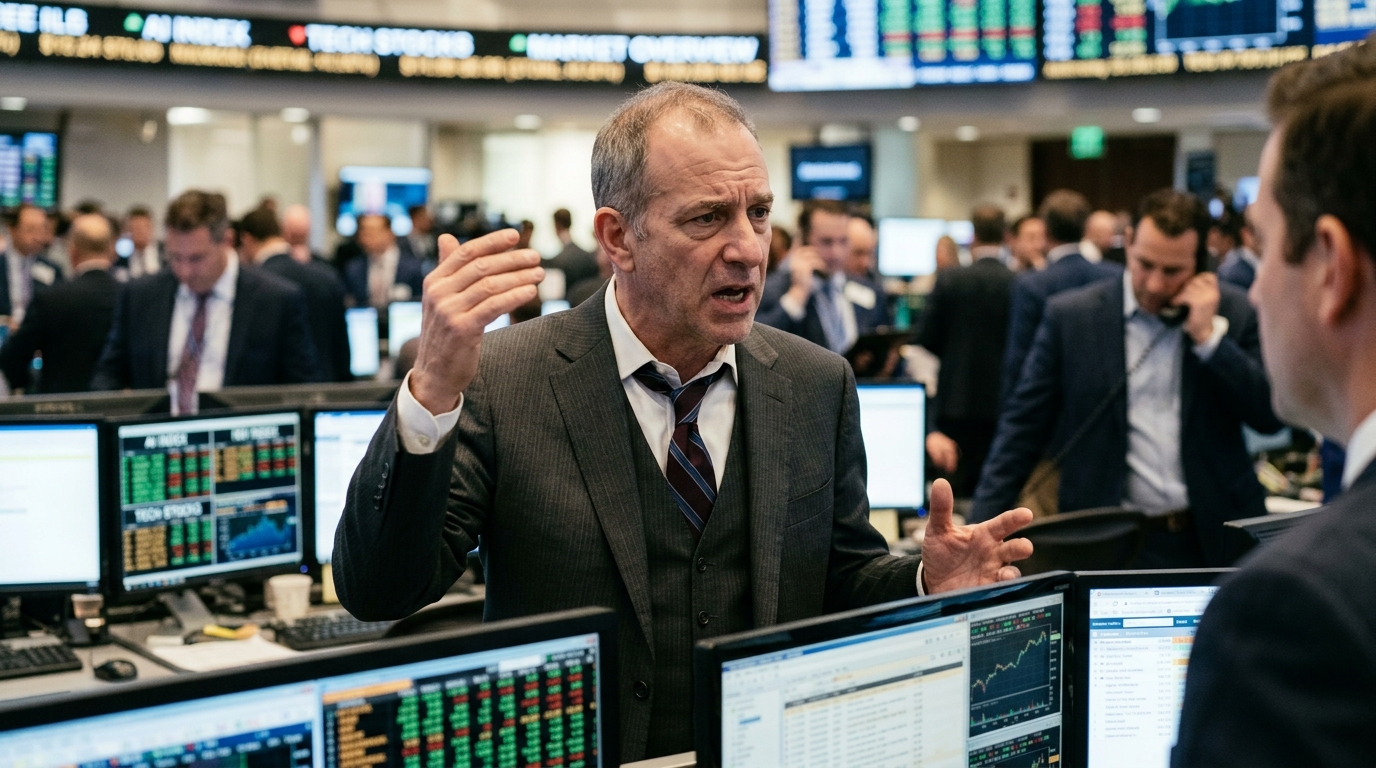
The stock market is currently navigating one of the most profound technological transformations in its history, with Artificial Intelligence (AI) serving as the primary engine of growth. However, Jim Cramer, the veteran host of CNBC’s “Mad Money,” has issued a stark warning to the investment community: the era of “blind euphoria” is drawing to a close. According to Cramer, investors must now become surgical in their selections, as the market begins to separate the true innovators from those merely riding the coattails of the hype cycle.
From General Euphoria to Strategic Discernment
For over a year, Wall Street has moved in a nearly monolithic fashion: anything associated with Artificial Intelligence was perceived as “gold.” From semiconductor giants to small-cap software firms that hastily integrated GPT models into their products, valuations soared to unprecedented levels. Cramer argues that this phase—the “rising tide that lifts all boats”—has passed. We are now entering a phase of maturity where fundamental financial metrics are reclaiming their importance.
This warning is timely. It comes as Big Tech companies are increasingly pressured to demonstrate a clear Return on Investment (ROI) for the massive capital expenditures they have poured into AI infrastructure. Investors are no longer satisfied with visionary promises; they demand hard data on how AI is driving top-line revenue or improving operational efficiency. Cramer emphasizes that the “frenzy” is being replaced by a more sober analysis, where profitability and the long-term viability of business models are scrutinized.
The Great Divide: Infrastructure vs. Applications
In his analysis, Cramer distinguishes between two primary categories of companies in the AI space. On one side are the “infrastructure” plays, such as Nvidia, which provide the essential building blocks—hardware and chips—required for AI development. These companies have delivered spectacular results, as the global demand for compute power remains insatiable. On the other side are the “application” and software providers, many of which promise a revolution but struggle to monetize it effectively.
- Hardware Dominance: Companies controlling the semiconductor supply chain remain the safest bets, though their valuations are already extremely high.
- The Software Challenge: Software firms face intense competition and a looming question: will they be able to charge a premium for AI features, or will these features become a standard expectation with no additional margin?
- Energy Constraints: An often-overlooked factor is the massive energy requirement of AI data centers, which is beginning to impact profit margins and infrastructure planning.
“You can’t just buy anything with the word ‘AI’ in its name and expect to get rich. That train has already left the station. Now is the time for hard work and careful stock picking,” Cramer remarked.
The Ghost of the Dot-com Bubble
The current market dynamics evoke memories of the Dot-com bubble of the late 1990s. Then, as now, a revolutionary technology (the Internet) led to irrational valuations for companies that often lacked revenue, let alone profit. Having navigated that era, Cramer warns that history tends to repeat itself for those who ignore the basic laws of economics. The key difference today is that the AI leaders—Microsoft, Google, Meta—are already profitable titans, but that does not make their stock prices immune to significant corrections if they fail to meet lofty expectations.
Cramer’s recommended strategy involves focusing on companies with a “moat”—a competitive advantage that cannot be easily replicated. Furthermore, he urges investors to keep a close eye on the Federal Reserve’s movements, as sustained high interest rates make growth stocks more vulnerable to de-rating. In an environment where capital is no longer “free,” the efficient allocation of resources toward AI projects will be the ultimate differentiator between winners and losers.
Conclusion: The New Normal in AI Investing
In conclusion, Jim Cramer’s warning is not necessarily a bearish forecast for the future of Artificial Intelligence itself, but rather a call for a return to rational investing. AI will undoubtedly continue to reshape the global economy, but its stock market trajectory will become increasingly selective and demanding. Investors who can distinguish genuine innovation from clever marketing will be the ones who prevail in the long run. The era of easy gains is over; the era of rigorous analysis has begun.