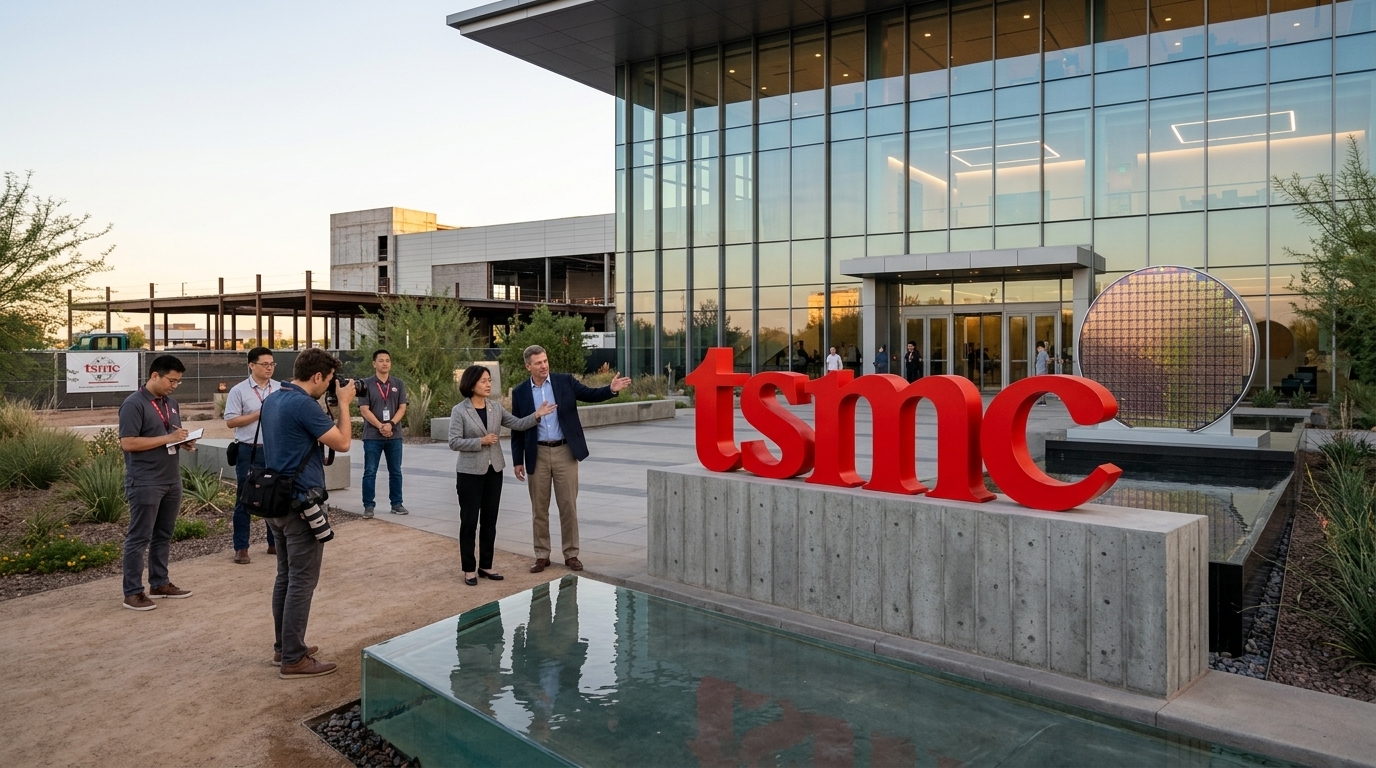
In the heart of California, far from the exorbitant costs and saturated markets of Silicon Valley, a mid-sized city is attempting something radical. Rancho Cordova is not waiting for the future to happen to it; instead, it is building an ecosystem where Artificial Intelligence (AI) is not just a productivity tool, but the cornerstone of local economy and educational reform. The city's recent mobilization, supported by schools and tech giants, serves as a compelling case study of how regional municipalities can compete with traditional tech hubs.
Education as a Catalyst: Preparing the AI Generation
The strategy of Rancho Cordova begins in the classroom. In collaboration with the Folsom Cordova Unified School District (FCUSD), the city is introducing curricula that go beyond simple coding. The focus is shifting toward "AI literacy," teaching students how to interact with Large Language Models (LLMs), understand the ethical implications of algorithms, and develop critical thinking regarding AI-generated outputs. This approach is not just about creating future software engineers; it’s about preparing a workforce that can thrive in any industry transformed by automation.
Local officials recognize that traditional education often lags behind technological advancements. By integrating AI into K-12 education, Rancho Cordova is attempting to close the skills gap before it even forms. Furthermore, partnerships with Sacramento State ensure a steady pipeline of talent that can be directly absorbed by local businesses, creating a virtuous cycle of growth and retention. This localized talent loop is essential for maintaining economic stability in an era of remote work and global competition.
Corporate Synergy and Economic Revitalization
It is not just education driving this change. The presence of companies like Solidigm, a major player in data storage and semiconductors, acts as a magnet for further investment. The city has adopted business-friendly policies, offering incentives that make relocation from the Bay Area an attractive financial option. The logic is straightforward: AI requires immense computational power and infrastructure, and Rancho Cordova has the space and the will to host it.
These companies do not operate in isolation. They are active participants in internship and mentoring programs, bridging the gap between academic theory and market reality. This "public-private partnership" model allows the city to remain at the cutting edge of technology without placing the entire financial burden on taxpayers. The presence of the tech industry also bolsters the local real estate market and service sectors, transforming a formerly industrial area into a modern innovation hub.
Policy and Ethical Governance
The adoption of AI by the municipality is not limited to economic development. The local government itself is experimenting with AI tools to improve citizen services, from traffic management to optimizing energy consumption in public buildings. However, Rancho Cordova's leadership is cautious about the risks. There is an ongoing dialogue regarding algorithmic transparency and the protection of residents' personal data.
The big question remains: can a city of this size maintain its human-centric approach while embracing mass automation? Rancho Cordova’s answer seems to be inclusivity. Through open forums and community consultations, residents are invited to understand and shape the digital future of their city. This is not a "top-down" imposition but a collective effort to adapt to a new reality. By establishing clear policy frameworks early, the city aims to mitigate the displacement of workers and ensure that the benefits of AI are distributed equitably.
Conclusion: A Model for the Future
The case of Rancho Cordova proves that the AI revolution does not belong exclusively to the tech titans of San Francisco or Seattle. With the right political will, the alignment of education with production, and the attraction of strategic investments, smaller cities can become protagonists in the global tech narrative. The success of this venture will be judged over time, but the foundation laid is both solid and visionary. Rancho Cordova is not merely adapting to AI; it is using it to redefine its identity for the 21st century, proving that innovation is a matter of strategy, not just geography.