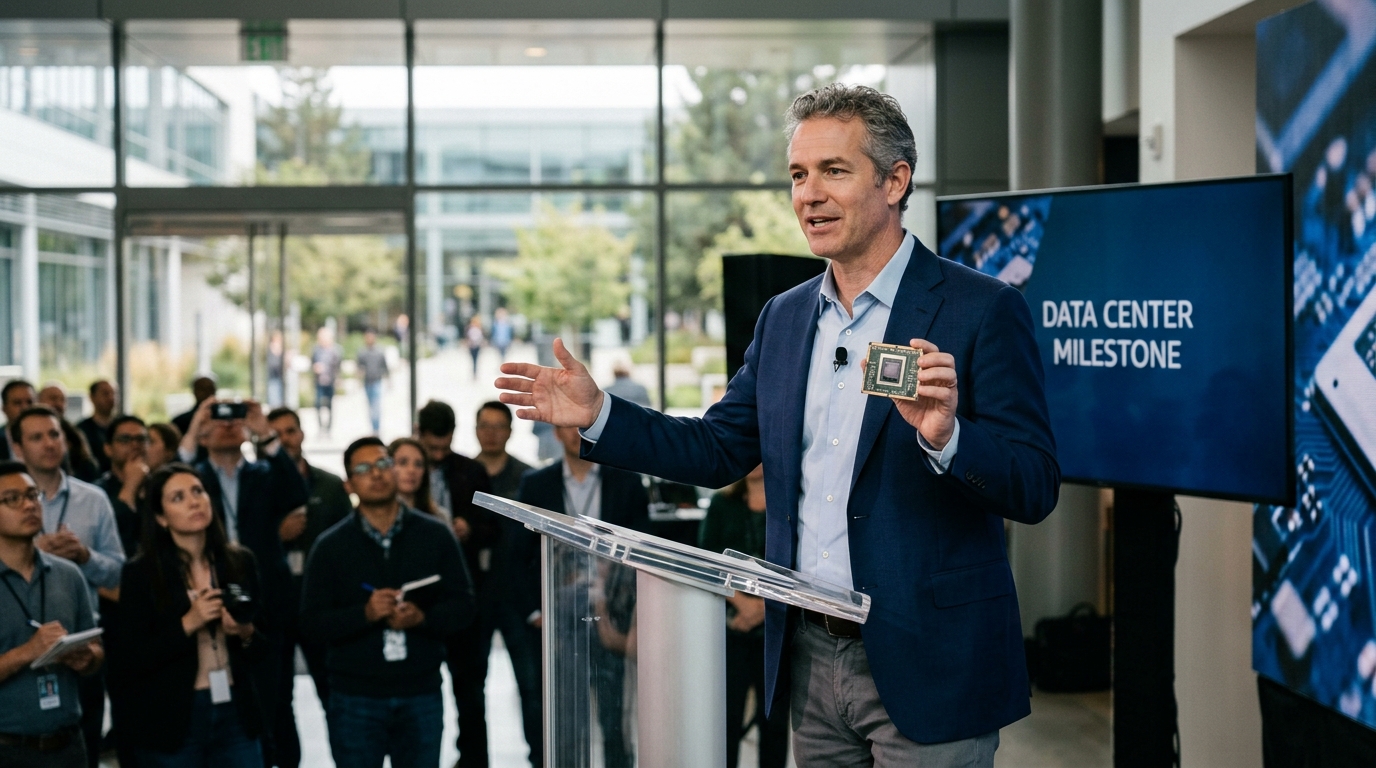
The announcement from STMicroelectronics NV (ST) on June 2, 2026, revising its data center revenue estimates upward to $1 billion for the current year, is more than just a corporate milestone. It is a confirmation of a profound structural shift within the European semiconductor industry. The company, traditionally dominant in automotive and industrial applications, is now transforming into a central pillar of the global Artificial Intelligence (AI) revolution.
The Power Backbone of Artificial Intelligence
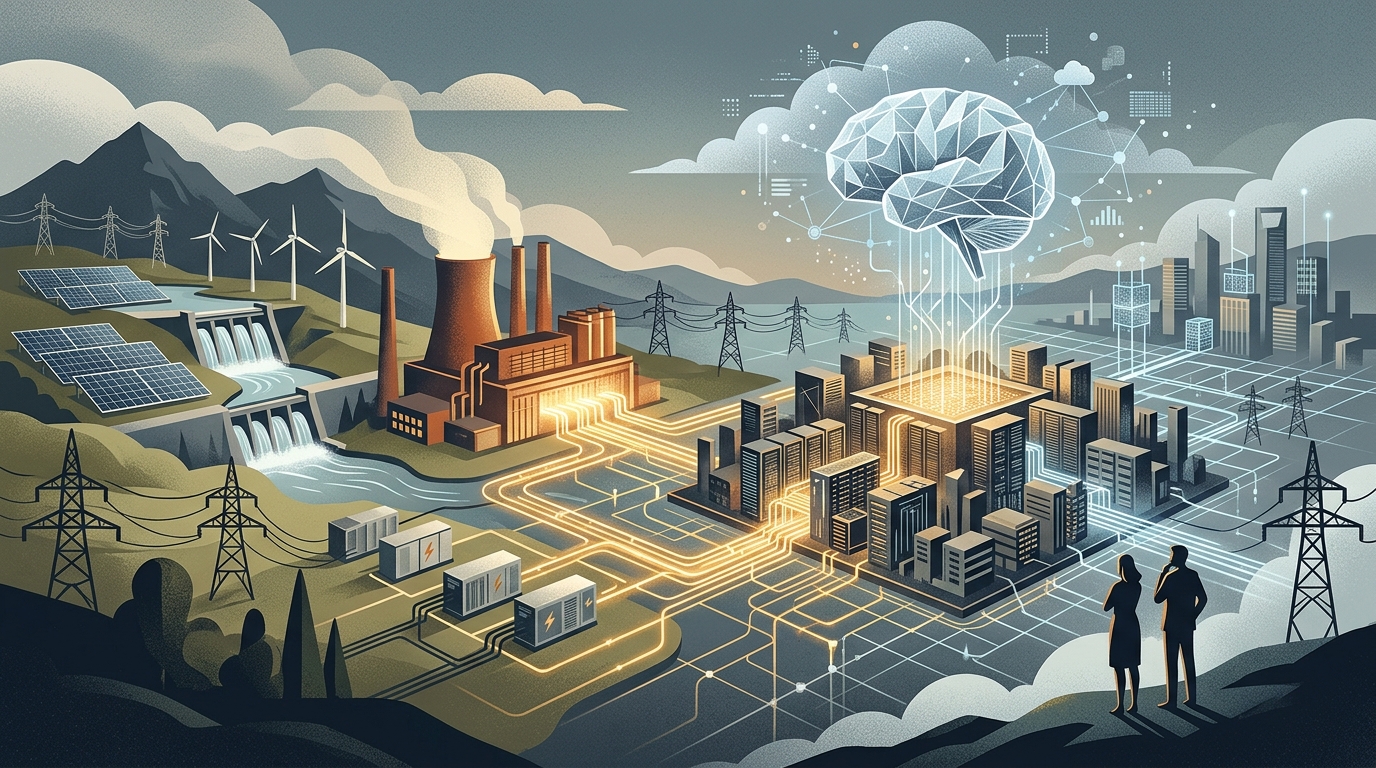
While the spotlight often shines on processor manufacturers like NVIDIA, the real challenge of AI lies in power delivery and management. The data centers housing AI models consume vast amounts of electricity, and this is precisely where STMicroelectronics steps in. The company specializes in power semiconductors made from Silicon Carbide (SiC) and Gallium Nitride (GaN), materials that allow power transmission with minimal loss and maximum efficiency.
The shift toward $1 billion in annual revenue from this sector suggests that demand for specialized power management chips is growing faster than any other category. Next-generation data centers require solutions that reduce thermal footprints, and STMicro has successfully positioned itself as the preferred supplier for major cloud players (Hyperscalers). The expertise the company gained from electric vehicles (EVs) is now being successfully transferred to server racks.
Strategic Autonomy and European Dominance
Within the framework of the European Chips Act, STMicroelectronics' success also holds geopolitical weight. In a world where the semiconductor supply chain is a battlefield between the US and China, the existence of a European power capable of competing in cutting-edge technologies is vital. The increase in data center revenue shows that Europe is not just a consumer of AI technology, but also a critical manufacturer of its infrastructure.
STMicro’s management, led by Jean-Marc Chery, has invested billions in new fabrication plants (fabs) in France and Italy. These investments are now beginning to pay off, as the company can guarantee product delivery in a market starving for hardware. Diversifying its portfolio—from sensors and cars toward AI infrastructure—reduces the company's exposure to the cyclical fluctuations of the automotive market, which showed signs of fatigue in early 2026.
Future Challenges: Competition and Sustainability
Despite the optimism, the road is not without obstacles. Competition from companies like Infineon and ON Semi is intense, while Chinese semiconductor firms are heavily subsidized to develop their own SiC solutions. Furthermore, the pressure for "green" data centers means STMicro must continue to innovate in even more efficient materials.
The $1 billion forecast is only the beginning. Analysts estimate that if the Generative AI trend continues at the same pace, the data center sector could account for 20-25% of the company's total revenue by 2030. This would mean a complete restructuring of STMicroelectronics' identity, from an "industrial chip" company to a digital infrastructure giant.
Conclusion
STMicroelectronics proves that European engineering can lead in the age of AI. Its ability to adapt power technologies for the needs of supercomputers makes it an indispensable partner on the global tech stage. 2026 will go down in the company's history as the year AI ceased to be a future promise and became the primary engine of growth.