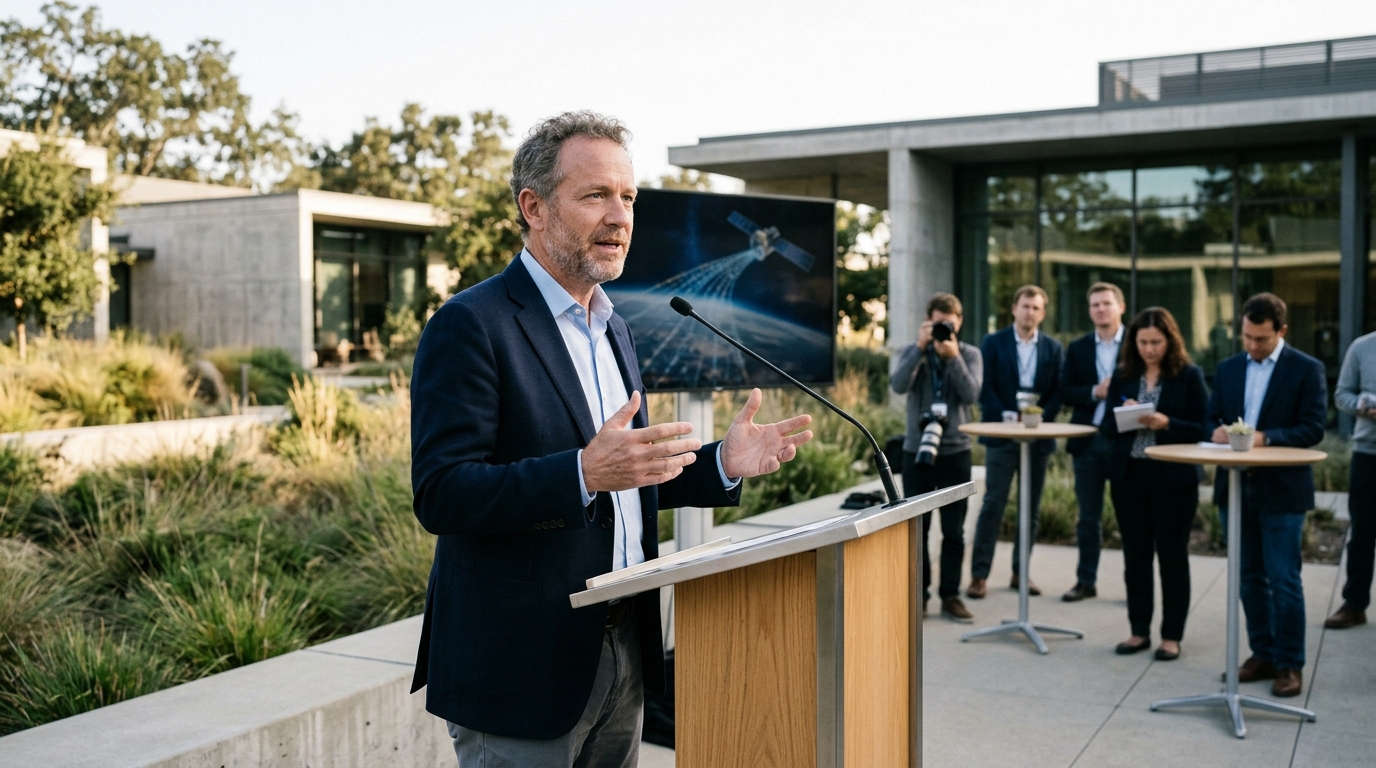
In an era where markets are searching for tangible evidence of Artificial Intelligence's real-world value, Ross Gerber, co-founder and CEO of Gerber Kawasaki Wealth and Investment Management, has delivered a compelling perspective via Bloomberg Tech. His central thesis is stark: the time for theoretical debate over AI has passed, as businesses are already witnessing "amazing" efficiency gains that are reshaping the economic landscape long before the technology reaches full maturity.
Nvidia: The Lighthouse of the New Economy
As Nvidia prepares to release its first-quarter earnings for 2026, Gerber emphasizes that the company is more than just a semiconductor manufacturer; it is the infrastructure provider for a global paradigm shift. According to Gerber, Nvidia’s results will serve as the ultimate litmus test for whether the investment frenzy of the past two years is built on solid ground. "We aren't just seeing an increase in chip demand," he explained, "we are seeing a fundamental shift in how companies produce output with fewer resources."
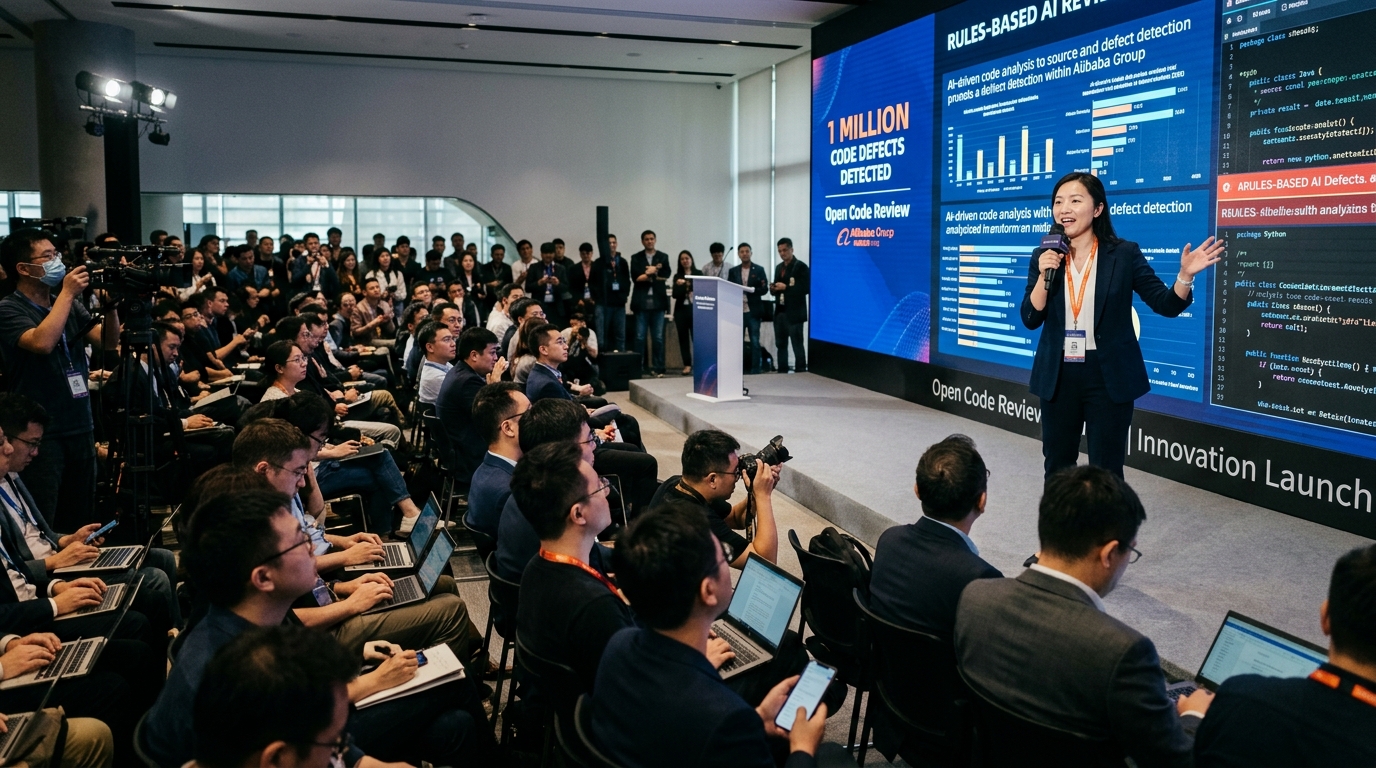
Gerber’s analysis focuses on the fact that AI allows enterprises to automate complex processes that previously required hundreds of man-hours. From software coding to supply chain management, execution speed has increased exponentially. This "amazing" efficiency translates directly into improved profit margins, a trend analysts expect to see reflected in the financial statements of tech giants across the board.
From Theory to Practice: Impact on Labor and Costs
One of the more provocative aspects of Gerber’s commentary concerns the relationship between AI and the workforce. While many fear widespread unemployment, Gerber focuses on productivity per employee. Companies adopting AI are not necessarily engaging in mass layoffs, but they are certainly halting the hiring sprees of the past, as existing teams can now handle significantly larger workloads. This phenomenon of "deflationary technology" is exactly what is exciting Wall Street.
- Routine Automation: Reducing time spent on administrative tasks allows for a focus on high-value creativity.
- Operational Cost Reduction: AI is slashing the cost of content production and data analysis by 40-60%.
- Innovation Velocity: The development cycle for new products has shrunk considerably.
Gerber argues that the market may still be underestimating the magnitude of this shift. Although valuations for companies like Nvidia and Microsoft appear high, their ability to fuel this efficiency wave provides them with a "moat" that is difficult to breach. According to Gerber, investors waiting for a dot-com style bubble might be disappointed, as this time, the earnings are real, tangible, and measurable.
The Future of Investment Strategy
Concluding his intervention, Gerber warned that success will not be uniform. "AI will create massive winners and tragic losers," he noted. Companies that delay integrating these technologies will face operating costs that render them uncompetitive. Gerber Kawasaki appears to be betting on those who not only build AI but also those who utilize it most intelligently to drive bottom-line growth.
"The efficiency we are seeing today is just the tip of the iceberg. When businesses realize they can double their output without doubling their costs, the global economy will enter a new phase of growth."
In conclusion, Ross Gerber’s analysis highlights a critical pivot: AI is no longer a promise for the future but a tool of the present that is already generating wealth. As we await Nvidia’s data, the focus shifts not just to revenue, but to how this technology is fundamentally transforming the structure of modern business.