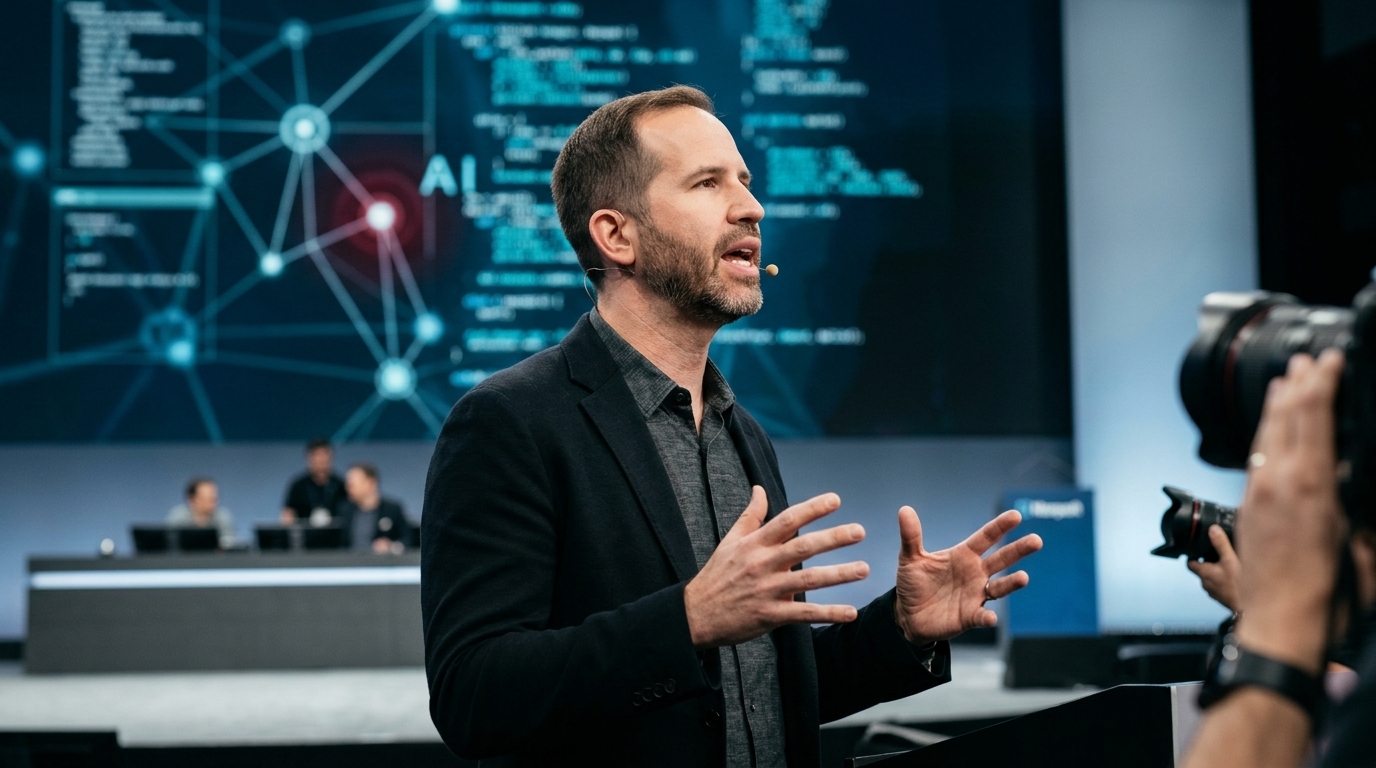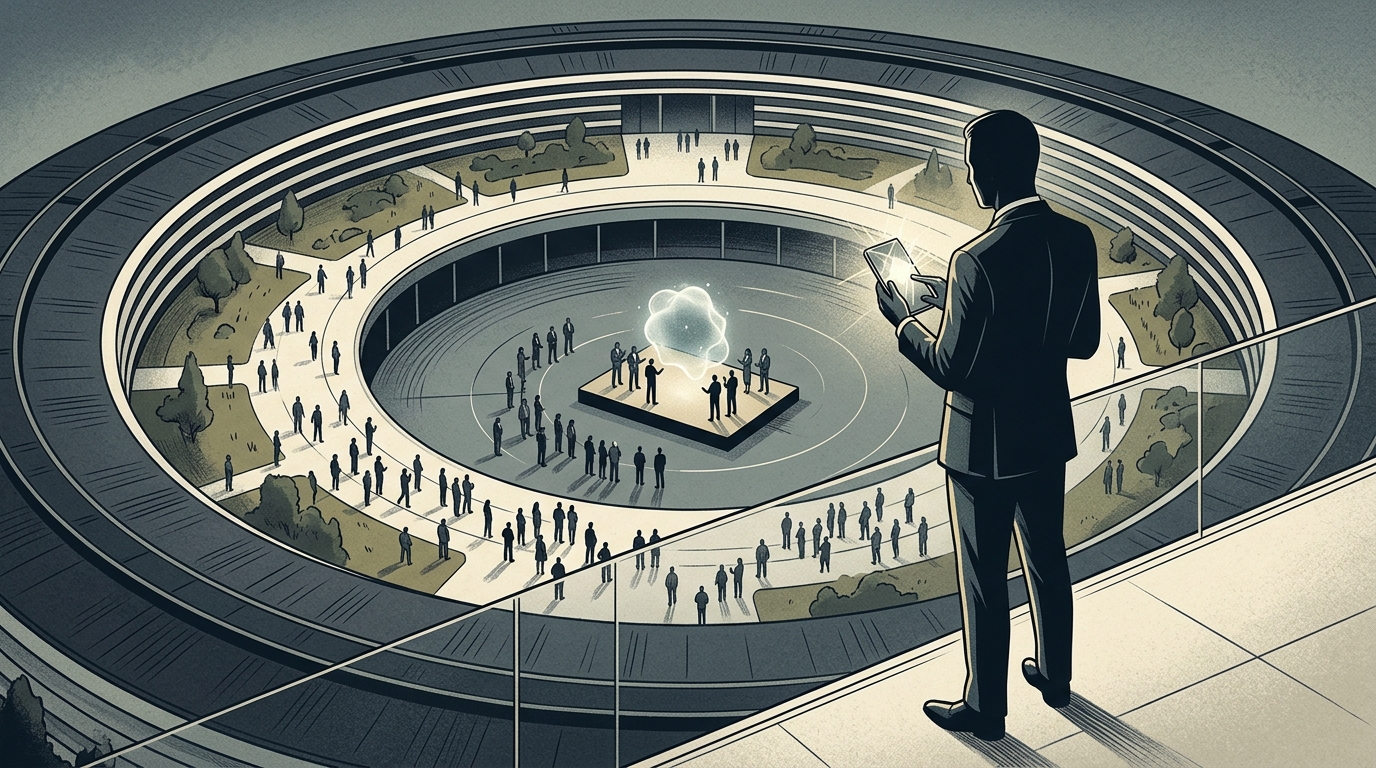
The history of Apple is a narrative of successive revolutions that redefined the relationship between humans and machines. From Steve Jobs’ Macintosh to the world-changing iPhone, the Cupertino giant has always relied on a "Killer Product"—a device so essential it rendered everything else obsolete. However, at the dawn of the Generative AI era, Apple finds itself in an uncharacteristic position: that of a follower rather than a leader. A recent analysis by Wired raises a critical question: can Apple's next CEO, with John Ternus as the frontrunner, deliver the company’s own "ChatGPT moment"?
The Cook Legacy: Operational Excellence vs. Innovation Gap
Tim Cook has arguably been one of the most successful CEOs in the history of capitalism. Under his stewardship, Apple’s market capitalization soared to $3 trillion, its supply chain became an impenetrable fortress, and Services evolved into a high-margin money-printing machine. Yet, Cook is not Jobs. While Jobs was the product visionary, Cook is the master of optimization. The Apple Watch and AirPods were massive hits, but they are iPhone peripherals, not standalone revolutions.
Vision Pro, Apple’s first foray into "spatial computing," remains an expensive experiment with niche appeal. Meanwhile, the cancellation of the Apple Car after a decade of costly R&D left a void in the company's long-term strategy. The most pressing issue, however, is Artificial Intelligence. While Microsoft, Google, and Meta were pouring billions into Large Language Models (LLMs), Apple remained focused on Siri, which is now widely viewed as an antiquated relic compared to its generative peers.
John Ternus: A Hardware Man in a Software Era
John Ternus, the current head of Hardware Engineering, is emerging as the most likely successor. He is young, articulate, and possesses Cook’s absolute trust. But the challenge he faces is unprecedented. The next CEO cannot merely be a good steward; they must be the architect of a new product category that integrates AI into its core, rather than treating it as a bolt-on feature.
The recently announced "Apple Intelligence" strategy is a step in the right direction, but many analysts view it as defensive. Apple is attempting to protect its ecosystem by embedding AI into existing devices instead of inventing something radically new. Ternus will have to decide if Apple’s future lies in AR glasses, home robotics, or an entirely new form of wearable that could eventually relegate the smartphone to a secondary role.
The "Killer AI Product" and Tech Geopolitics
Why is a "Killer AI Product" so vital? Because AI is fundamentally changing how we interact with information. If Apple fails to control the AI interface, it risks becoming a mere hardware vendor for other companies' intelligence.
"Apple cannot afford to become the 'dumb pipe' of the AI era,"industry insiders suggest.
Furthermore, mounting competition from China and regulatory pressure in the US and EU are narrowing Apple's path. The company needs a win that proves the Cupertino magic didn't die with Jobs. The challenge for Ternus—or whoever succeeds Cook—is to combine privacy (Apple's greatest USP) with the power of generative AI, creating a personal device that understands the user intimately without compromising their data.
Conclusion: The Moment of Truth
The leadership transition at Apple will be the company’s most defining moment of the 21st century. The next CEO will not be judged by dividends or stock buybacks, but by their ability to launch a product that makes the world say "Wow" again. If Apple fails to dominate the AI landscape, its descent from the tech Olympus might be swifter than anyone anticipates.