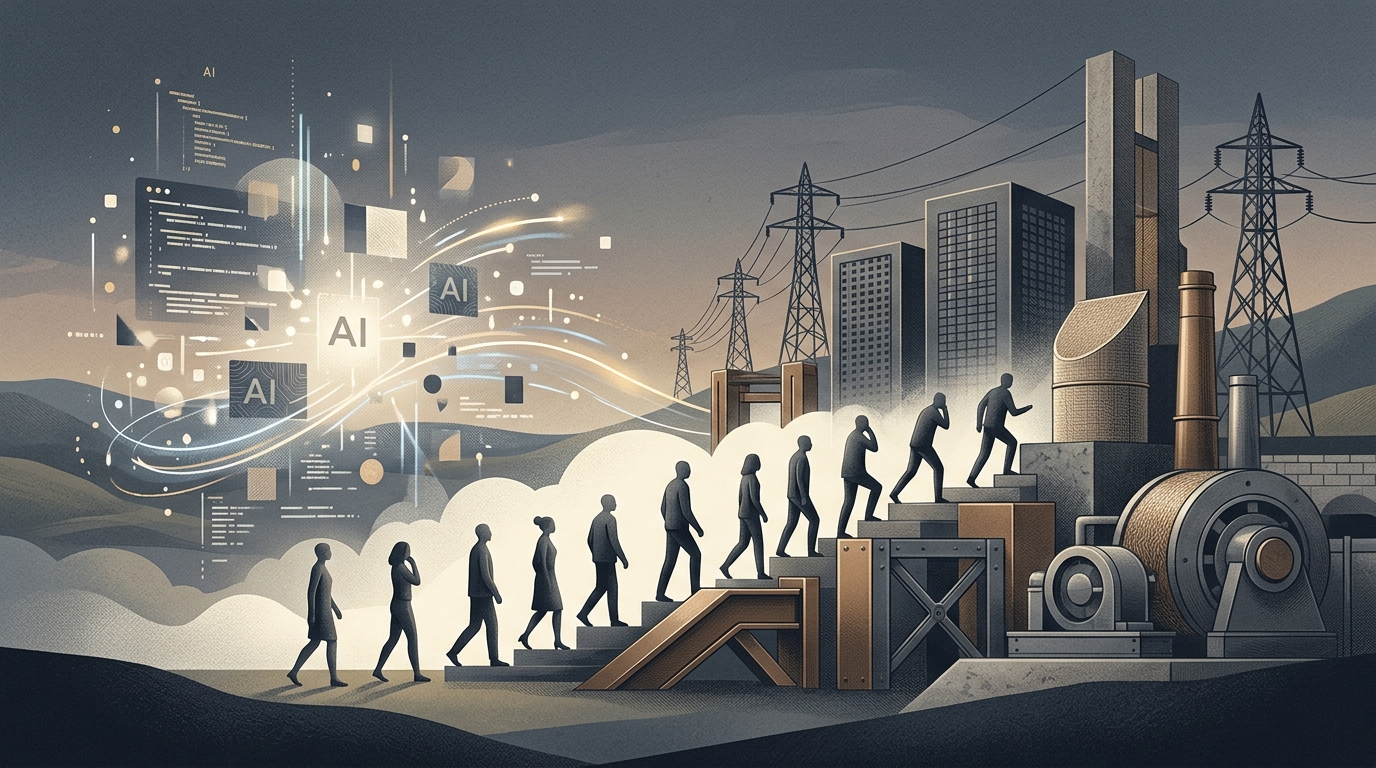

As of June 11, 2026, the global financial landscape is defined by a striking paradox. While the European Central Bank, under Christine Lagarde, signals a persistent hawkishness to combat stubborn inflationary pressures, the capital markets are aggressively funneling liquidity into the foundational layers of the artificial intelligence ecosystem. This 'Great Divergence' suggests that for institutional investors, the 'Hardware Moat' has become the ultimate hedge against macroeconomic volatility.
The Hardware Goldmine and the Battle for Supremacy
The narrative of June 2026 is no longer about which AI model is the smartest, but rather about who owns the physical infrastructure to run them. The ongoing rivalry between AMD and Nvidia has reached a fever pitch. However, the real market movement is happening in the secondary layers. The recent alliance between Nvidia and SK Hynix is a strategic masterstroke that redefines the AI value chain, securing the High Bandwidth Memory (HBM) supply that has become more valuable than gold.
Simultaneously, we are witnessing an 'Optical Infrastructure Boom.' Investors have realized that the bottleneck for AI scaling is not just the GPU, but the data transfer speed between clusters. Companies specializing in optical interconnects and photonics are seeing valuations that mirror the semiconductor surge of 2023. This is a clear signal: the hardware layer is the real goldmine of 2026, offering a tangible asset base in an otherwise speculative software market.
The Greek Pivot: Green Industry and Digital Modernization
Closer to home, the Greek market is providing a fascinating case study in industrial transformation. The HERACLES Group’s €600 million 'Green Pivot' is not merely an environmental statement; it is a sophisticated financial strategy. By decarbonizing the construction sector, HERACLES is positioning itself to capture the massive infrastructure spending expected in the Eastern Mediterranean over the next decade. This aligns with the broader geopolitical thesis of shipping and energy as the pillars of regional stability.
Furthermore, the digital modernization of domestic institutions—exemplified by BEWISE’s implementation of cloud solutions for the Hellenic American Union—demonstrates that the 'AI trickle-down effect' is reaching the services sector. Greek SMEs and educational institutions are finally moving beyond legacy systems, creating a more resilient and efficient domestic economy that can better withstand the ECB’s high-interest-rate environment.
Liquidity Tests: SpaceX and the IPO Horizon
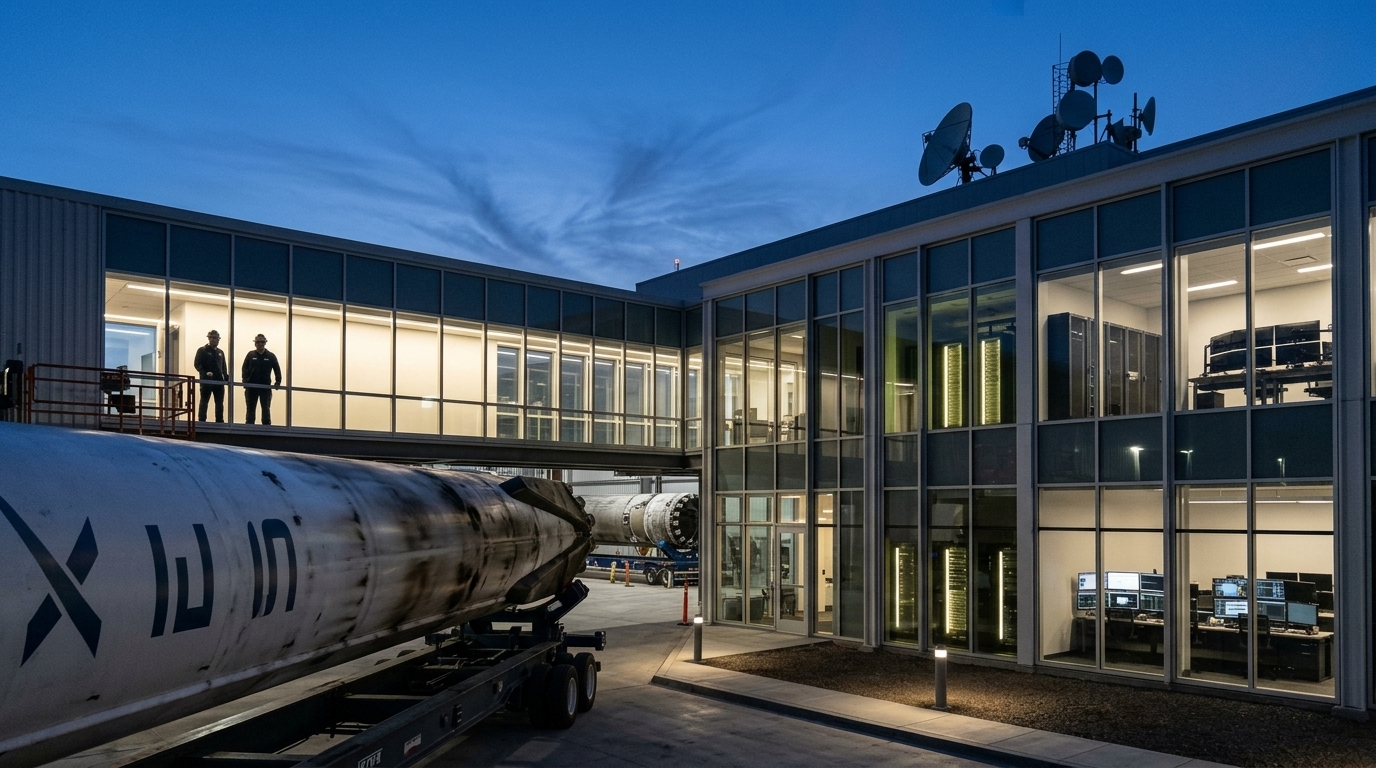
The $200 billion valuation question surrounding the SpaceX IPO will be the definitive litmus test for market liquidity in the second half of 2026.
As ByteDance pivots toward 'AI for Science' (AI4S) and drug discovery to diversify its revenue streams away from social media, the market's appetite for high-stakes tech IPOs remains hungry but disciplined. The SpaceX IPO represents the most complex financial event of the decade. If successful, it will prove that for 'frontier tech' with clear sovereign and commercial utility, capital remains abundant regardless of central bank policy. However, Jensen Huang’s recent warnings regarding trade restrictions serve as a reminder: the greatest risk to this growth is not interest rates, but the potential fragmentation of the global tech ecosystem.