In an era where the smart home is evolving from a collection of disconnected gadgets into a unified, sentient ecosystem, Amazon is making a strategic leap with the Echo Hub. Originally launched in early 2024 as a dedicated command center for the home, the device is now receiving a comprehensive software update that fundamentally alters the user experience. This isn't merely a cosmetic facelift; it is a deep restructuring of how we interact with our living spaces, embedding generative AI at the core of daily life.
A New Philosophy of Interface Customization
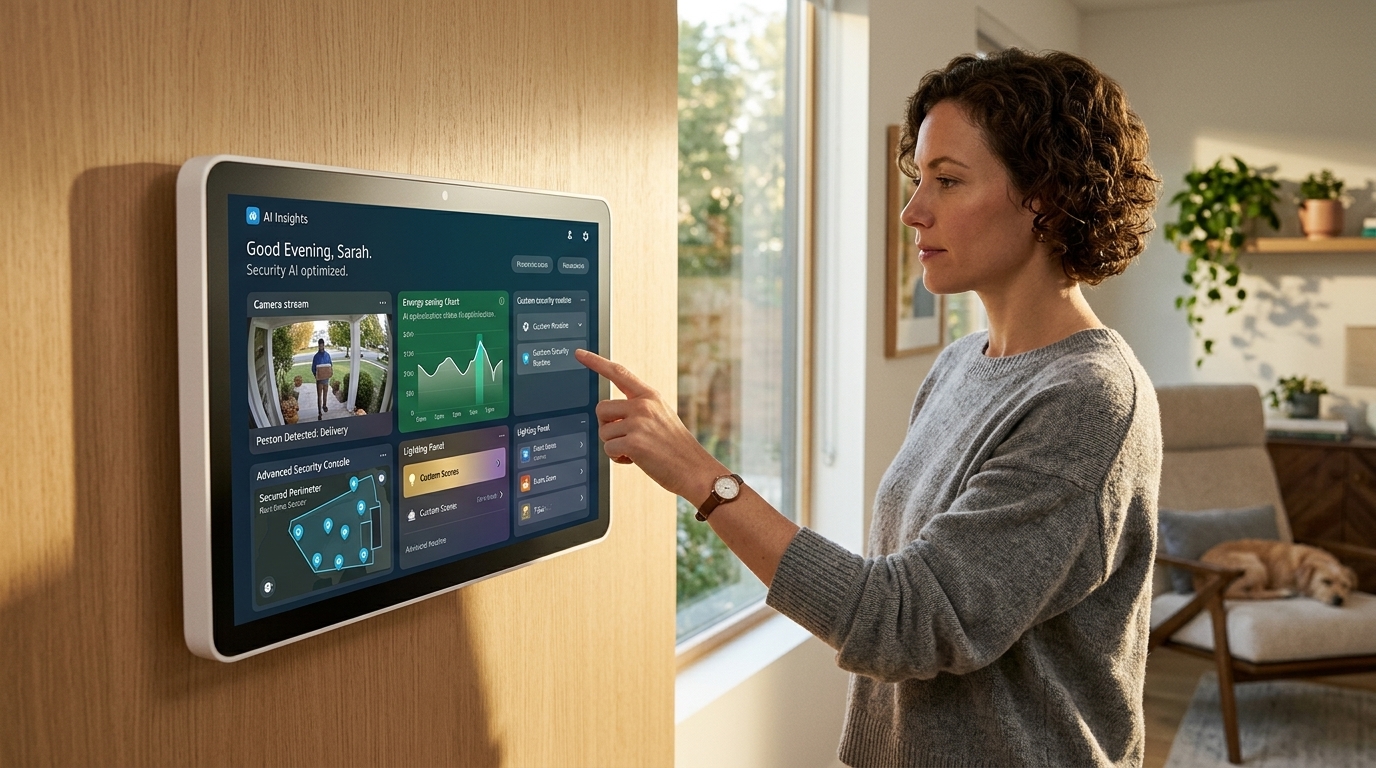
The initial version of the Echo Hub was met with some criticism regarding its rigid interface, which often required multiple taps for simple actions. With this latest update, Amazon is adopting an approach more akin to modern smartphone operating systems, allowing users to populate their home screens with widgets that reflect their personal priorities. Whether it’s controlling the living room lights or monitoring real-time energy consumption, information is now denser, more visual, and instantly accessible.
The shift toward full customization allows users to group devices by room or function with far greater flexibility. This is particularly vital for households with dozens of smart devices, where finding the right toggle can become a chore. Amazon has clearly recognized that home control must be visual and immediate, serving as a necessary physical counterpart to Alexa’s voice commands—which aren't always ideal in noisy environments or when one wishes to perform multiple actions discreetly.
AI and Security: The Ring Integration
Perhaps the most significant aspect of this update is the integration of new AI capabilities for Ring cameras. Amazon, which acquired Ring years ago, is now seeking to transform simple video recording into a proactive security service. Powered by advanced machine learning, the Echo Hub can now analyze video feeds in real-time to provide smarter, more context-aware notifications. Instead of a generic motion alert, the system can distinguish if a courier has dropped off a package, if an unfamiliar person is loitering, or if a pet has escaped the backyard.
“Artificial intelligence is no longer a futuristic concept; it is the tool that allows our homes to understand us before we even speak,” Amazon executives noted during the update's unveiling.
Furthermore, the support for Alexa Plus—Amazon’s upgraded, subscription-based version of Alexa powered by Large Language Models (LLMs)—brings a new dimension to device interaction. The Echo Hub is becoming a conversationalist capable of handling complex, multi-step requests. For instance, saying “Alexa, get the house ready for a movie” can simultaneously dim the lights, lower the shades, and activate the sound system without the user having to pre-program specific, rigid routines.
The Competitive Landscape and the Future of Smart Homes
Amazon’s move comes at a time of intensifying competition. Google has already been infusing its Nest Hubs with AI features from the Gemini ecosystem, while Apple is heavily rumored to be developing its own wall-mounted home controller. Amazon, however, maintains a significant lead due to its massive market share and broad compatibility with third-party manufacturers through the Matter protocol.
However, the increasing reliance on the cloud and AI raises serious questions about privacy. As the Echo Hub becomes the “brain” of the home, it aggregates a vast amount of data regarding the habits and movements of its inhabitants. Amazon promises strict data protection and local processing for many functions, but skepticism remains a factor. The challenge for the company will be to convince users that the convenience offered by AI outweighs the potential risks to personal privacy.
In conclusion, the updated Echo Hub is more than just a tablet on a wall. It is evidence that Amazon is moving away from the “smart speaker” model toward a model of “Ambient Intelligence.” The home of the future won’t just wait for commands; it will anticipate needs, and the Echo Hub aims to be the primary window into that world.